Planning a Cape Town stay: where to base yourself, what to expect, and how to enjoy the best attractions and dining
Cape Town, perched between the Atlantic Ocean and a dramatic mountain backdrop, offers a wide range of accommodation to suit different styles and budgets. Whether you prefer a cosy guesthouse tucked into leafy neighbourhoods, a chic boutique hotel near the harbour, or a self-catering apartment with stunning sea views, you will find options that feel like a home from home. When planning a stay, think about what you want to prioritise: accessibility to sights, proximity to the coast, a quiet neighbourhood for restful evenings, or easy access to nightlife and markets. The city’s diverse districts each offer a distinct atmosphere, so choosing your base is part of the adventure.
Areas to consider include:
- City Centre and the Victoria & Alfred (V&A) Waterfront: convenient for museums, easy access to tours, and a lively atmosphere with restaurants and shops.
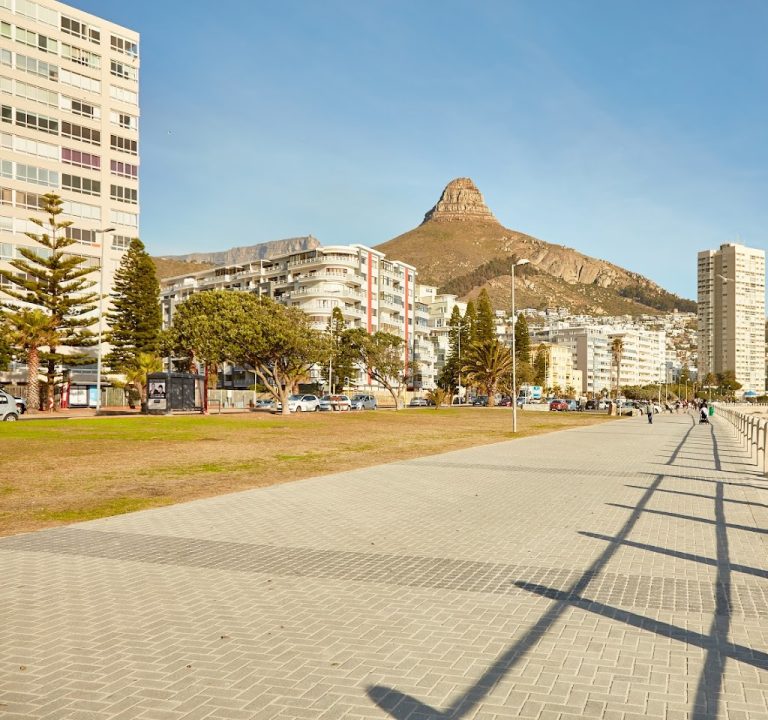
- Atlantic Seaboard (including Camps Bay and Sea Point): dramatic sea views, long coastal walks, and a more relaxed, upmarket vibe with stylish cafes and beaches nearby.
- Green Point and de Waterkant: a central hub with parks, good transport links, and proximity to the stadium and notable attractions.
- Constantia and the Southern Suburbs: quieter, wine country access, and a different pace—great for those seeking gardens, hillside views, and excellent dining.
When booking, look for a few typical amenities that can make a stay smoother and more enjoyable. A reliable Wi‑Fi connection is essential for planning day trips and staying connected. If you are travelling with family or a group, consider self-catering options or a room with a kitchenette. A comfortable bed, adequate storage, and a well‑equipped bathroom matter more than ostentatious décor. For longer stays, laundry facilities can be a practical bonus. If you travel during peak seasons, verify whether breakfast is included and whether there is 24‑hour reception or secure parking, as these small conveniences can save time and stress.
Practical planning tips for Cape Town:
- Public transport versus car hire: the MyCiTi bus network covers many popular routes, but some areas are easier to reach by car. If you plan to explore the Cape Peninsula or Constantia Valley, a hire car offers flexibility.
- Safety and security: choose a well-reviewed property, use common sense with valuables, and stay aware of the local environment. Early mornings and late evenings near busy tourist areas are generally fine, but always ask hosts about the safest routes and timings.
- Weather and packing: Cape Town has a temperate climate with microclimates. Bring layers, a light rain jacket, sun protection, and comfortable walking shoes for hills, rocky paths, and long promenades.
- Sightseeing planning: popular natural and cultural sites can get busy. Mix iconic viewpoints, such as Table Mountain or scenic drives, with calmer neighbourhood experiences, markets, and coastal walks to balance the days.
Best time to visit depends on your priorities. The spring and autumn shoulder seasons (September to November, March to May) usually offer milder weather, fewer crowds, and good value. Summer (December to February) brings longer days and excellent beach conditions, ideal for outdoor activities, while winter (June to August) is cooler and greyer but often quieter and more affordable. If you are keen on wine tasting, consider combining a stay with a day trip to Constantia or Stellenbosch during the shoulder seasons when countryside visits are pleasant and wine cellars offer a welcoming retreat indoors.
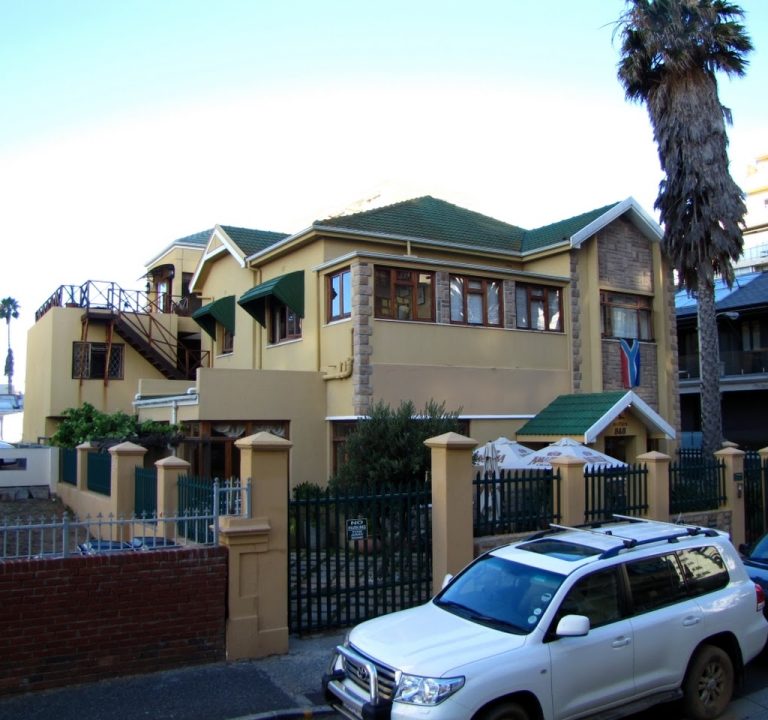
Accommodations in Cape Town can be very welcome after a day of exploration. Guesthouses and B&Bs often include home-cooked breakfasts and host insight into local routes, markets, and hidden viewpoints. Boutique hotels frequently blend stylish interiors with personalised service and convenient locations. For families or longer stays, serviced apartments and self-catering lodgings provide space and flexibility, sometimes with kitchen facilities and access to communal lounges or gardens. When choosing, read recent guest reviews to confirm reliable cleaning standards, accurate descriptions, and responsive hosts or staff.
Beyond the lodging, Cape Town offers a broad range of experiences and dining options. Natural attractions abound—from dramatic coastal viewpoints and tranquil botanical gardens to sheltered harbourside promenades and rugged mountain trails. Cultural experiences include museums and galleries that tell the story of the region and its diverse communities. When selecting a restaurant, you’ll find everything from casual bistros and seafood spots to more refined venues showcasing local produce and global flavours. Markets and casual eateries are a great way to sample a range of cuisines and ingredients in a relaxed setting.
For a sample of seaside dining near the promenade, you may come across venues that offer sunlit terraces with ocean views and menus featuring fresh, locally sourced ingredients. One example of a restaurant concept you might encounter online is a seafront establishment that presents a modern take on classic dishes and provides a convenient link for further information and reservations: Hotel on the Promenade.
In summary, plan a stay in Cape Town with a clear idea of what you want from your base—central convenience for sightseeing, or a scenic coastal retreat with easy access to beaches and hiking. Prioritise comfortable, well-located accommodation, then build your itinerary around a mix of natural beauty, landmark attractions, and flexible dining options. With its striking landscapes, friendly hospitality, and vibrant culinary scene, Cape Town offers a memorable backdrop for any traveller.