A Traveller’s Guide to Accommodation and Attractions in Cape Town
Cape Town offers a diverse mix of stays, from stylish boutique B&Bs and guesthouses to modern hotels and guest-friendly lodges. When planning a visit, think about which neighbourhoods align with your interests—whether you want ocean views and easy beach access, a vibrant city atmosphere, or a quieter residential vibe close to nature. A well-chosen base can shape your daily routine, influence how you move around, and enhance your overall experience of the Cape cosmopolitan mix and natural scenery.
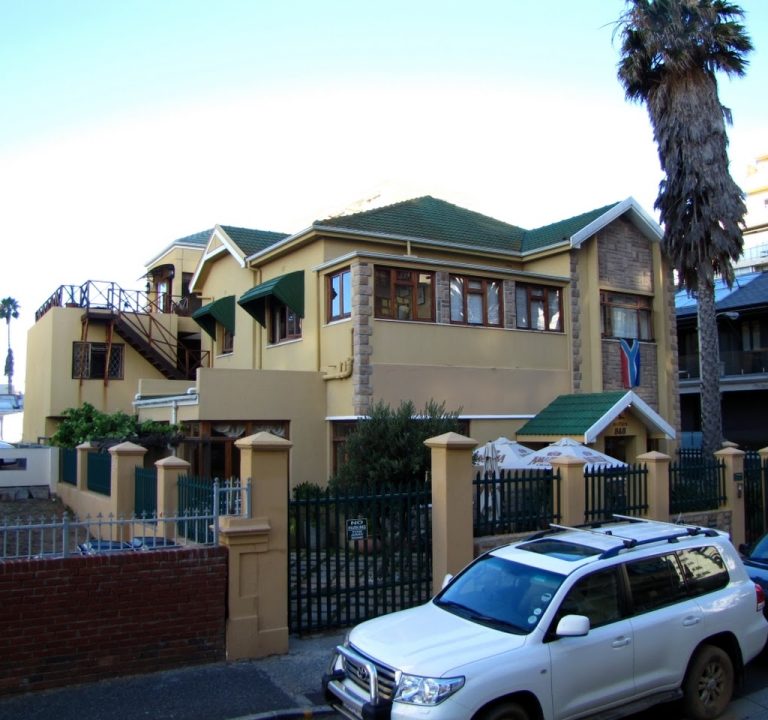
One example of a welcoming bed-and-breakfast is Marilyn on Seapoint, a characterful option in a popular coastal area close to the Atlantic Seaboard. Such places often offer personal touches, homemade breakfasts, and a sense of home while you explore the city. If you’re considering Marilyn on Seapoint, you may find this type of stay pairs well with longer strolls along the promenade, easy access to My City shuttle routes, and proximity to cafés, markets, and local shops. For those who prefer a self-contained experience, there are numerous guesthouses and small hotels in a similar coastal pocket as well as in the city bowl and winelands corridors.
Areas to consider include:
- V&A Waterfront and the Foreshore: for harbour views, easy access to tours and ferries, and a range of dining and entertainment options.
- Sea Point and Bantry Bay: close to the coast, with a pleasant promenade for walking or cycling and a mix of boutique stays and hotels.
- City Centre and De Waterkant: high walkability to attractions, great access to public transport, and a broad choice of stays from budget to boutique.
- Constantia and the Southern Suburbs: a more rural-leaning, leafy setting with proximity to wine estates and mountain trails.
- Camp’s Bay and Camps Bay Corridor: for dramatic coastal scenery, upscale eateries, and sunset views, though rates can be higher.
What to look for when booking a stay matters as much as the scenery. Consider these practical points:
- Proximity to your preferred transport routes. If you plan to explore widely, a location with easy access to MyCiTi bus routes or a reputable car hire option can save time.
- Room configurations and privacy. For families or groups, look for suites or multiple rooms with en-suite facilities.
- Amenities that support your pace. A reliable wifi connection, a comfortable desk or seating area, sufficient power outlets, parking arrangements, and a generous breakfast offering can frame your daily plans.
- Safety and access. Check lighting, entrance security, and whether the property provides guidance on safe walking routes after dark.
- Dining options. While many stays include breakfast, some offer on-site lounges or a close concentration of eateries. Proximity to markets and casual dining can be a bonus for flexible plans.
Typical amenities you may encounter include well-equipped en-suite bedrooms, air conditioning or fans, secure parking, daily housekeeping, and friendly, knowledgeable hosts who can offer local tips on hidden beaches, scenic viewpoints, or less crowded routes to iconic spots. If you prefer self-catering, look for apartments or suites with kitchenettes or full kitchens, plus convenient access to grocery stores and fresh markets.
Best time to visit Cape Town blends climate, crowds, and events. The city enjoys warm, dry summers from December to March, with comfortable shoulder seasons in spring and autumn. Winter (June to August) brings cooler temperatures and occasional rain, but it also means quieter streets and the possibility of off-season rates. Spring and autumn are excellent for outdoor activities—hiking up Table Mountain, visiting Cape Point, or exploring the Cape Winelands when the vineyards are lush but not overly crowded. Plan ahead for popular outdoor days and remember that coastal winds can be strong even on sunny days.
Getting around is straightforward but planning ahead saves time. Renting a car provides maximum flexibility to venture to the Winelands, the penguin colony at Boulders Beach (near Simon’s Town), or the Cape Peninsula coastal routes. If you prefer not to drive, a combination of MyCiTi buses, Uber or local ride-hailing services, and guided tours can cover most tourist areas. In many neighbourhoods, a pleasant walk from your accommodation will reveal local cafes, markets, and street art that characterise Cape Town’s daily life.
Attractions and experiences come in varying scales, from natural wonders to cultural experiences, many of which can be enjoyed at a relaxed pace. Iconic highlights include panoramic viewpoints from Table Mountain and the surrounding nature reserves, a stroll along the Waterfront, and beaches with diverse atmospheres. Dining ranges from coastal seafood spots with harbour views to modern eateries offering seasonal, locally sourced ingredients. For a taste of regional flavour, seek out markets and casual bistros where fresh produce, baked goods, and small plates highlight Cape Town’s culinary diversity.
To plan a stay with flexibility, assemble a mix of core activities and downtime. Book accommodation with a clear cancellation policy and read guest reviews to gauge consistency in service and comfort. If you’re seeking a boutique experience, look for properties with genuine local character, knowledgeable hosts, and convenient access to both attractions and everyday essentials. For a balanced itinerary, alternate outdoor days with indoor leisure, and leave room to revisit a favourite spot for sunrise or sunset views over the ocean or mountains.
For further inspiration and options, you can explore linked stays and travel itineraries through reputable booking platforms, which offer a range of Cape Town properties, including coastal retreats, urban boutique stays, and serene guesthouses that pair well with the city’s natural beauty and culinary landscape.