Staying in Cape Town: accommodation options, planning tips, and top experiences
Cape Town offers a diverse mix of stays, from chic boutique hotels and sea‑view apartments to comfortable guesthouses tucked away in leafy neighbourhoods. When planning a visit, consider what you want to do most—beach days, mountain adventures, or exploring historic streets—to guide your choice of district, pace, and amenities. The city’s accommodation tends to cluster around a few well‑served areas, each with its own character and access to public transport, making it relatively easy to design a flexible itinerary.
Popular areas to consider include the Atlantic Seaboard for spectacular coastal views and easy access to beaches, the V&A Waterfront for convenience and nightlife, and the City Bowl for walkability to museums, markets, and dining. Constantia offers a quieter, countryside‑feel, ideal for wine lovers and those seeking a more relaxed base. For travellers who want a balance of culture and scenery, the areas around Green Point and Camps Bay provide a lively atmosphere without sacrificing scenery or proximity to major sights.
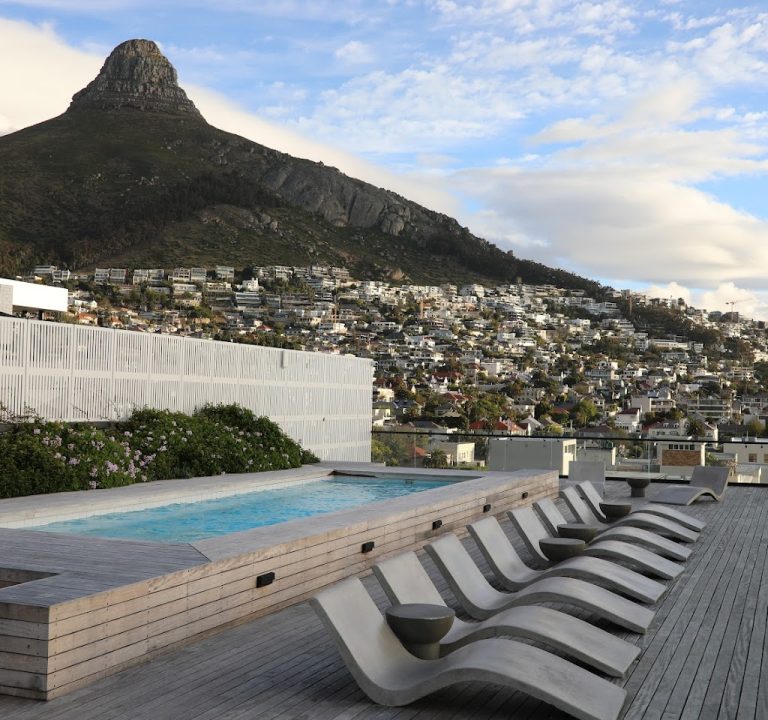
When choosing a property, look for practical amenities that save time and enhance comfort. In high season, a good fibre connection or dependable Wi‑Fi is handy for planning day trips. A guesthouse or hotel with a reliable reception or concierge service can be invaluable for organising tours, restaurant reservations, or transfer options. In Cape Town, on‑site parking can be a major convenience, especially outside central areas where street parking is limited or metered. Consider whether a property offers breakfast, as this can simplify mornings during busy days of sightseeing. Some accommodations provide access to terraces, pools, or small kitchens, which can be a welcome bonus after a day on the hills or by the sea.
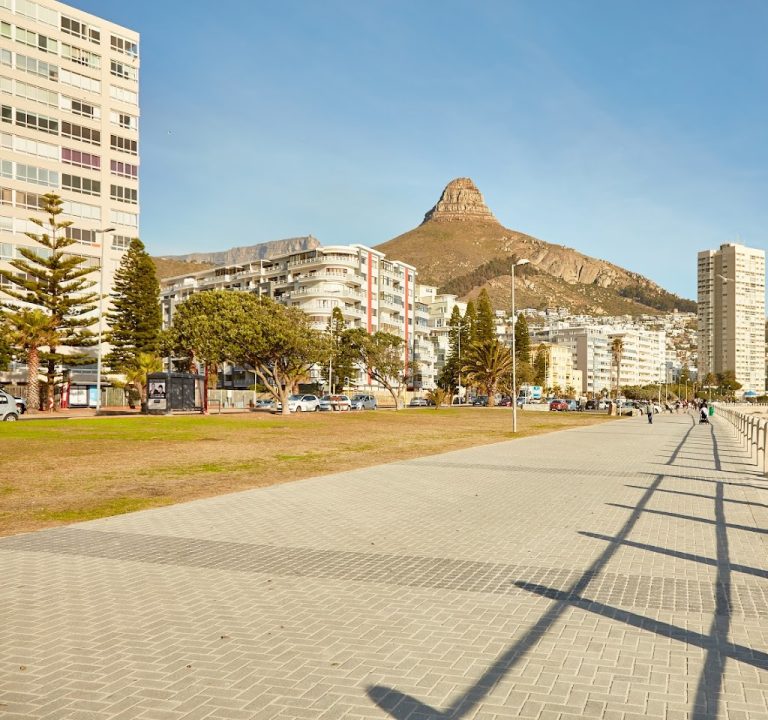
Transport options are worth weighing. The city has a compact urban core, but Cape Town’s scale means taxis, rideshares, and rental cars are common ways to move around. If you plan to visit the Cape Peninsula or winelands, check whether your stay offers easy access to tours or airport transfers, and whether the property can arrange onward transport. For shorter stays and inner‑city exploration, a walkable base or near a MyCiTi bus stop can reduce the need for car use on certain days. If you’re staying near the coast, an early morning stroll along the promenade or a sunset drive along the coast can be an excellent way to frame your days.
Weather and seasons in Cape Town are famously variable. The best time to visit generally depends on what you want to do. Dry, sunny summers (roughly November to March) are ideal for beaches and outdoor hikes, though they can be busy. Autumn (April to May) and spring (September to November) bring mild temperatures and fewer crowds. If you’re keen on hiking the surrounding peaks or visiting botanical gardens, plan for mornings that start cool and slowly warm up as the day unfolds. The winter months (June to August) are cooler and wetter, but this season can still offer excellent value and a different city atmosphere, with fewer crowds at key sights.
Top attractions and experiences in general terms include: the city’s historic neighbourhoods with street art and markets, vantage points for city and sea views, and coastal paths that weave along the Atlantic. Outdoor enthusiasts may enjoy hikes up Table Mountain or the surrounding ranges, with cable car options available for those who prefer a less strenuous ascent. A visit to the nearby Cape Peninsula offers dramatic coastal scenery, penguin colonies at a southern point, and penguin‑watching opportunities along the shore. Museums and cultural venues around the city provide insights into Cape Town’s diverse heritage, while parks and gardens offer tranquil spaces to relax after a day of exploring.
Food lovers can anticipate a vibrant dining scene across neighbourhoods, from casual eateries to finer dining. Expect a mix of contemporary South African dishes, coastal seafood, and international menus. Market mornings and harbourfront spots provide opportunities to sample fresh produce and local specialties in relaxed settings. When dining out, it’s common to book ahead for popular venues, especially on weekends, and to leave a little room for a post‑meal stroll to take in the city’s harbour lights or sunset colours over the ocean.
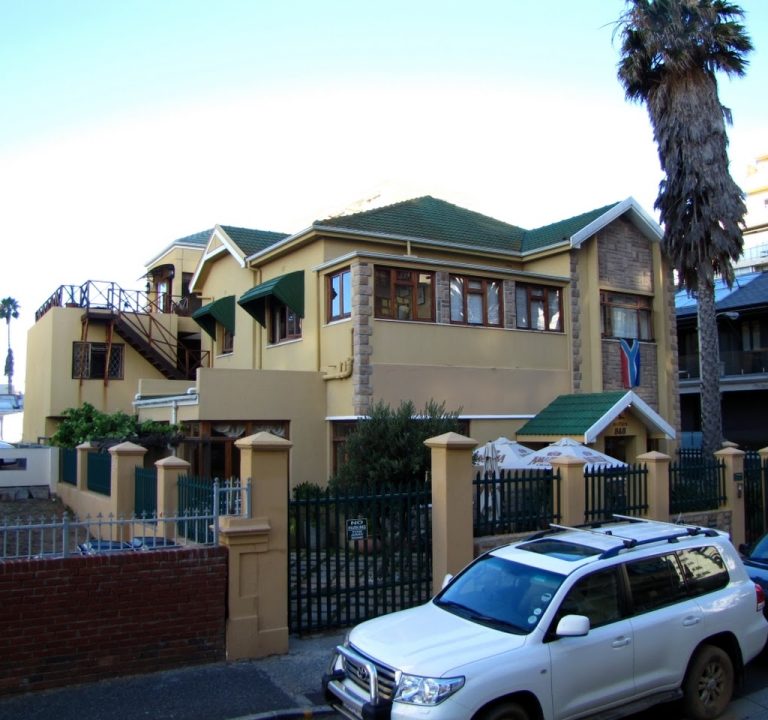
Hotels such as the Protea by Marriott Hotel Cape Town Sea Point illustrate the type of contemporary, well‑weighted options available along the Atlantic Seaboard. These properties typically offer comfortable rooms, practical amenities, and easy access to both beaches and the city’s sights. For travellers seeking a specific style or price point, there are boutique guesthouses with personalised service, mid‑range hotels with reliable comfort, and luxury lodges that aim to balance pampering with access to nature and scenic drives. A well‑located property can act as a solid base for daytime excursions to the Cape Peninsula, Constantia’s wine estates, or Table Mountain’s surrounding trails. You can find more about Protea by Marriott Cape Town Sea Point at the official site linked with this article.
- Areas to base yourself: Atlantic Seaboard (coastal views), City Bowl (walkable dining and culture), V&A Waterfront (convenience), Constantia (tranquil and scenic).
- What to look for in a booking: reliable Wi‑Fi, convenient transport access, breakfast options, parking, and responsive reception staff.
- Typical amenities: comfortable rooms, on‑site dining, outdoor spaces, pools, and easy access to tours or transfers.