Accommodation and Experiences in East London, Eastern Cape: Where to Stay and What to Do
East London in the Eastern Cape offers a friendly mix of seaside charm, practical transport links, and welcoming places to stay. For travellers seeking a comfortable base with easy access to beaches, parks, and the city’s maritime heritage, guest houses, small hotels, and lodges provide a range of options that balance character with convenience. One well-known example in the area is a guest house that focuses on home-like hospitality, proving that personal service can be as important as location when planning a stay.
When choosing where to stay, it helps to consider the neighbourhoods that best fit your plans. The beachfront and harbour-adjacent districts are ideal for easy sea access and sunset strolls, while central residential areas offer proximity to markets, cafés and family-run eateries. If you prefer a quieter ambience, look for boutique guest houses set within leafy streets or near nature reserves. Booking platforms often list room types, breakfast options, and guest services, but it’s worth reading recent guest reviews to gauge consistency, especially during peak travel periods.
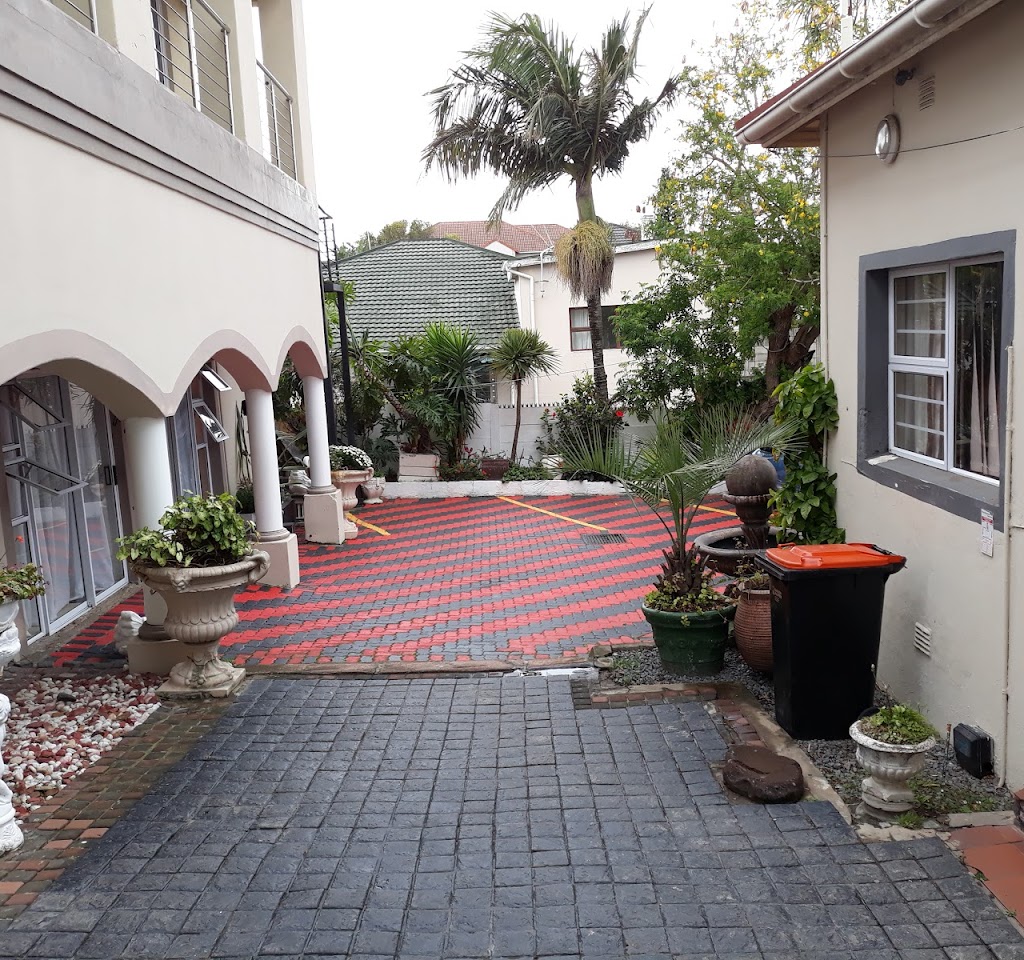
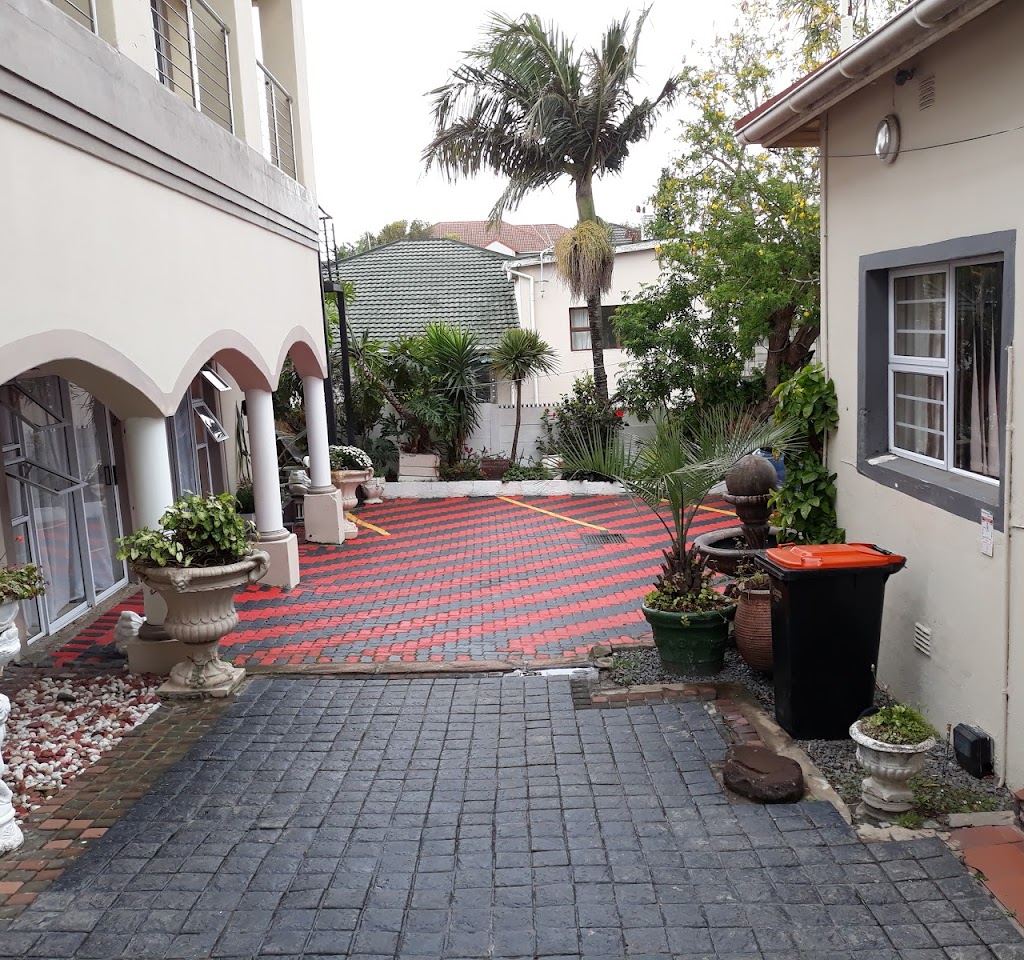
Typical amenities to expect in traveller-friendly accommodation include en-suite bathrooms, free Wi-Fi, on-site parking, and options for self-catering or continental breakfasts. Many guest houses and lodges also provide secure parking, travel information, and flexible check-in arrangements. In East London, buildings often reflect a blend of colonial and modern architectural touches, with guest rooms that offer a cosy, lived-in feel rather than soulless hotel anonymity. If you’re travelling with family or a group, look for rooms or suites that can accommodate additional beds or fold-out options, along with shared lounge spaces for social evenings after a day out.
Planning a stay involves practical considerations beyond the room itself. Transport arrangements are important: East London has a regional airport and a network of roads linking coastal towns to the city centre. If you’re not hiring a car, check whether your lodging offers airport transfers, shuttle services, or proximity to taxi ranks and rideshare options. Public transport along the coast is workable for short trips, but having a car often makes it easier to explore surrounding beaches, nature reserves, and day trips along the coast without depending on exact timetables.
Best time to visit East London tends to align with the milder winter and warm summer months. Summer, from December to February, brings beach-friendly weather and outdoor events, while autumn and spring offer quieter streets, lower rates, and pleasant walking conditions along the promenade and waterfront. The region’s subtropical climate also means rain is occasional, so packing a light waterproof layer is sensible for sudden showers, especially outside peak summer.
For those who want to settle into the rhythm of the city, a stay centred around a pleasant base can unlock a satisfying mix of experiences. Coastal walks along the beaches and harbour areas are a simple, rejuvenating way to start or end a day. Parks and coastal reserves offer easy nature escape without long drives, making them suitable for all ages. If you enjoy markets and casual dining, exploring local eateries and informal eateries can reveal a wonderful array of flavours, from seafood by the shore to comforting home-style meals in small, friendly venues. When planning meals, consider establishments that source produce locally and offer seasonal specials, which is a common feature in traveller-friendly towns across the region.
Restaurants in and around East London typically range from informal cafés to more contemporary dining rooms. Look for places that prioritise fresh ingredients, vegetarian or seafood options, and relaxed atmospheres perfect for families, couples, or solo travellers. Whether you choose a seaside fish-and-chips style outing or a lighter café lunch, the emphasis is on welcoming service and a sense of place rather than pretension. For evening meals, it can be rewarding to ask staff for recommendations on regional dishes or local specials, which often provide insights into culinary traditions that travellers may not discover otherwise.
In terms of activities, you can plan a light programme around the town’s cultural heritage and outdoor pursuits. Museums or interpretive centres nearby can provide a helpful overview of the area’s maritime history and natural environment. Beach days are a staple, but there are also nature walks and coastal viewpoints suitable for all fitness levels. If you’re planning a longer stay, a day trip along the coast to nearby towns or reserves can offer a broader sense of the Eastern Cape’s landscapes and wildlife.
Practical tips to enhance your stay include confirming parking arrangements when booking, noting whether breakfast is included, and understanding each property’s policy on cancellations and late arrivals. Carry a lightweight travel card or app to navigate local transport options, and keep a modest daily budget in mind for meals, activities, and incidental costs. When contacting a property, use clear arrival times and any accessibility needs to ensure a smooth check-in. Finally, be respectful of local customs and rhythms—Eastern Cape towns value hospitality, and a courteous greeting or small tip for good service is appreciated in many guest houses and eateries.
For more ideas on what East London and the broader Eastern Cape have to offer, you can explore official tourism resources online. A general starting point is the South African tourism network, which provides insights into places to visit, itineraries, and practical travel considerations for visitors to the region. This can help you build a balanced plan that combines comfortable accommodation with memorable coastal experiences.
Website resources and destination information: South Africa Tourism – East London.