East London, Eastern Cape: accommodation, attractions and planning your stay
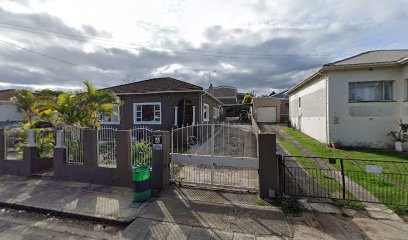
East London in the Eastern Cape offers a coastal mix of sandy beaches, riverine scenery and a friendly, laid‑back atmosphere. When planning a stay, consider the neighbourhoods that suit your priorities—beach access, quiet residential streets, or proximity to the city’s cultural and dining spots. Options range from guest houses and boutique hotels to self‑catering cottages and coastal lodges, with Casa Feliz Guesthouse serving as a representative example of the warm, locally run accommodation you may encounter in the area.
Popular bases include beachfront zones where mornings begin with the sound of waves and long walks along the shore. Quieter residential areas offer a homely feel with easier access to local cafés and markets, while the city centre provides convenient access to shops, museums and a selection of noise‑friendly eateries. If you’re visiting with family or seeking a more relaxed pace, coastal villages such as Gonubie and Nahoon offer a balance of sea views, cycling routes and gentle strolls, with several guest houses and small hotels tuned to travellers seeking comfort and value.
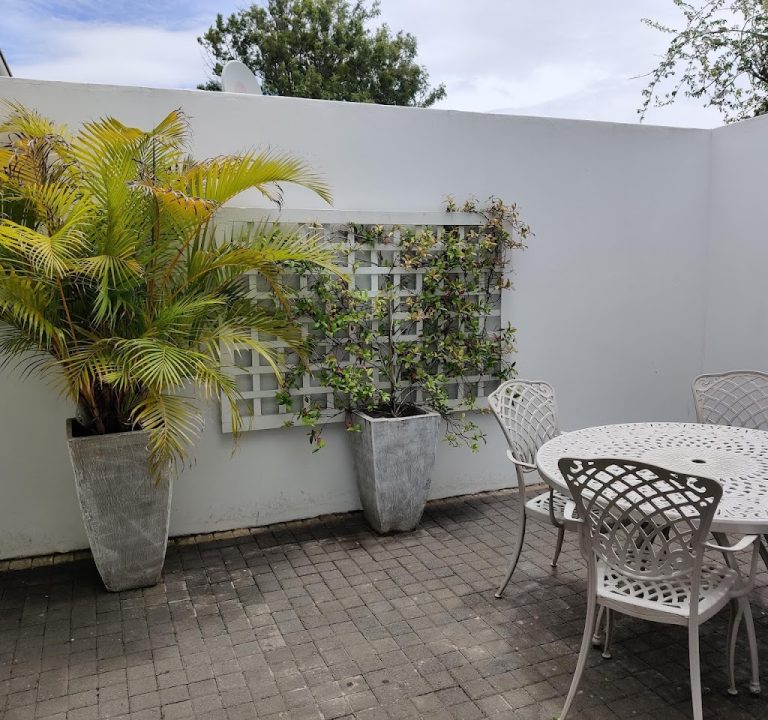
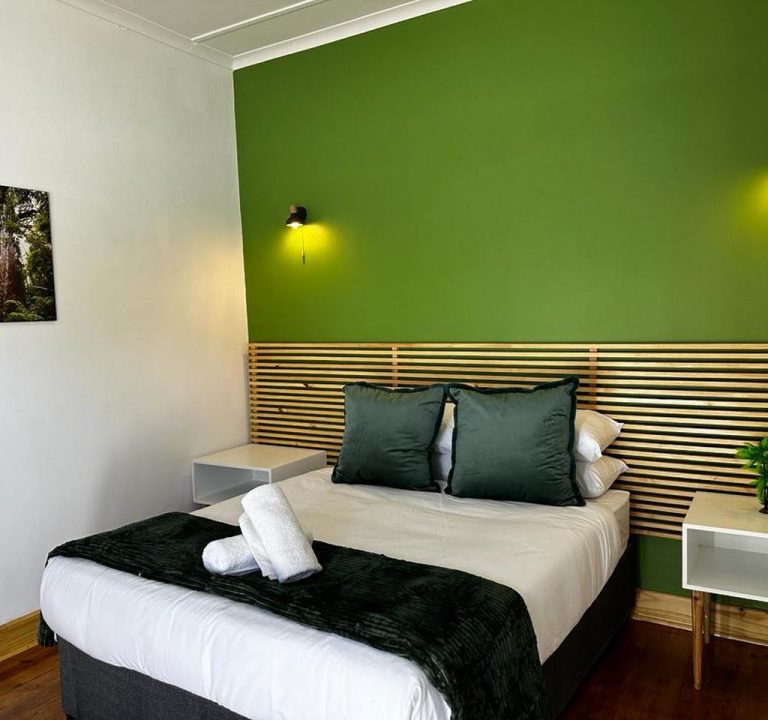
Typical amenities to look for when booking include free breakfast or a simple kitchen space for self‑catering, secure on‑site parking, reliable hot water, dependable wi‑fi, and friendly hosts who can offer local tips. Many properties in East London are set up to help travellers feel at home, with pleasant communal spaces, comfortable beds and clean, well‑maintained rooms. If you’re travelling by car, check the proximity to main routes and the availability of parking; if you prefer walking or cycling, confirm guest facilities such as bike storage or easy access to a promenade or riverside paths. For those sensitive to power fluctuations, ask about generators or contingency plans for outages, which can happen in some coastal locations away from the city centre.
Getting around is typically straightforward. A car offers the most freedom to explore beaches, lagoons and nearby wildlife reserves, but taxis or ride‑sharing services are commonly available in the city and at larger guesthouses. For day trips, you may plan visits to coastal viewpoints, river estuaries and nearby reserves, where guided or self‑guided experiences can be arranged through your accommodation or local operators. If you arrive by air, taxis or pre‑booked transfers from the airport are typically the easiest way to reach your base. Public transport options, while useful for short hops, are less frequent for coastal routes, so a flexible itinerary often works best.
Best time to visit East London depends on your activities. Summer (roughly November to February) is ideal for beach days, swimming and long coastal walks, though it can be busier with holiday makers. Autumn offers pleasant temperatures and fewer crowds, making it a comfortable time for outdoor exploration and photography. Winter (June to August) is cooler and windier, which suits indoor attractions, cafés and restaurants, with the chance of dramatic sea skies on clear days. Spring brings bloom‑filled landscapes and calmer beaches. Pack layers, sun protection for daytime on the coast, and a light rain jacket for the occasional shower, especially during transitional seasons.
When it comes to experiences, expect a relaxed pace that value‑adds to your stay rather than a packed itinerary. You can process a mix of nature, culture and cuisine without feeling rushed. For a gentle start, stroll along scenic coastlines, enjoy a riverside walk or cycle route, then unwind with a meal at a local restaurant that emphasises fresh, Seasonal produce. A sample stay in East London could be anchored by a comfortable guest house, an easy morning beach walk, a day at nearby reserves or parks, and evenings spent sampling regional flavours in nearby eateries. Local operators frequently offer guided walks, birdwatching or coastal viewpoint trips, which can be arranged through your host or a trusted local provider.
Practical planning tips:
- Choose accommodation with clear access to the beach or a short drive to the coast if your primary aim is seaside time.
- Look for properties with secure parking and good wi‑fi, especially if you plan to work remotely or stay connected during your visit.
- Ask hosts about breakfast options, kitchen access, and nearby markets for self‑catering days.
- Check proximity to transport links and local attractions to minimise daily travel time.
- Consider the season and book ahead in peak periods to secure preferred areas near the shore or in quiet residential streets.
In terms of dining, East London offers a variety of eateries that emphasise southern African flavours, coastal seafood and modern seasonal menus. While it’s best to explore current recommendations closer to your travel dates, you can expect informal cafés, family‑run restaurants and venues that showcase fresh produce from the surrounding region. Whether you’re staying in a guest house such as Casa Feliz Guesthouse or another comfortable option, you’ll likely find hosts who can point you to popular neighbourhood spots and hidden gems worth a visit during your stay.
Further information and planning resources can be found on regional tourism pages and travel guides. For inspiration and practical planning ideas, consider starting with trusted national tourism portals or local visitor information sites that focus on East London and the broader Eastern Cape. A well‑chosen stay paired with thoughtful planning can help you enjoy a relaxed coastal break with easy access to the region’s natural beauty and everyday hospitality.