East London and the Eastern Cape: where to stay, what to see, and how to plan your visit
East London in the Eastern Cape offers a compact city by the sea, with a long stretch of beaches, a busy harbour, and a gateway to the coast’s rugged scenery. For travellers seeking a comfortable base that feels like a home from home, guest houses and small hotels provide a friendly, intimate atmosphere alongside practical amenities. When planning a stay, consider the timing of your visit, the area that best suits your rhythm, and the type of accommodation that will make days easy and enjoyable. A good option to explore is the 5th on Preston Guest House, which combines a welcoming atmosphere with convenient access to the city and the sea. More information can be found at their website: http://5thonpreston.co.za/.
Where you stay will shape how you spend your time. If you prefer long seaside walks and easy access to beaches, look for accommodation in or near the coastal suburbs. Nahoon and Gonubie are popular choices for beach lovers, while Beacon Bay and the city centre provide a livelier, more urban vibe with cafes, shops, and proximity to the harbour. For those who value a quieter, leafy neighbourhood with a shorter drive to outdoor adventures, a guest house tucked away from the main traffic routes can offer a restful retreat after a day exploring the coast or nearby nature reserves. When selecting a property, check the following: comfortable beds, reliable wifi for planning days and keeping in touch, secure parking, clear check-in procedures, and clear information about breakfast or meal options.
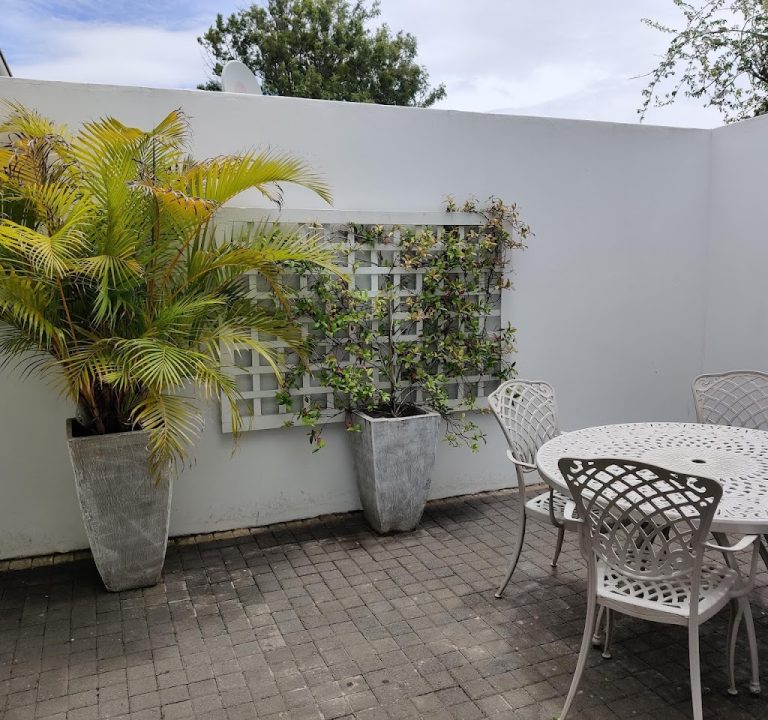
Typical amenities to look for include complimentary breakfast, on-site parking, and a pleasant outdoor area such as a garden or pool. If you’re visiting with family or a small group, enquire about family rooms, self-catering facilities, or kitchen access. Some guest houses offer en-suite bathrooms, air conditioning or fans for the warm coastal climate, and privacy where you need it. If you’re a light sleeper, ask about room location relative to common areas and any housekeeping schedules to ensure a restful stay. Accessibility is another practical consideration; some properties provide ground-floor rooms or lifts if needed. Finally, whether you’re travelling on a budget or holidaying in comfort, compare total prices, including breakfast and any added services, to avoid unexpected costs.
Transport to and around East London is straightforward, though planning ahead saves time. The city is served by East London Airport and by road via the N2 and M21 routes from nearby towns. A car can be convenient for reaching beaches, lookouts, and nature reserves, though many guest houses provide easy access to local taxi services or share rides. If you prefer not to drive, choose accommodation close to reliable public transport links or within walking distance of the city centre, beaches, and dining options. When you book a place, ask about airport transfers, luggage storage, and the proximity to the main transport hubs to ensure smooth transitions between arrival and exploration.
The best time to visit East London depends on what you want to do. Summers (roughly November to February) are warm and great for beach days, water activities, and outdoor markets, but can be busy. Autumn and spring offer milder weather and quieter streets, making it pleasant for day trips along the coast and into nearby natural areas. Winters are cooler and mostly dry, with sea breezes that keep the landscape dramatic without the heat. If whale watching or birdlife is on your list, consider the seasonal patterns and coastal accessibility to tailor your itinerary. Regardless of when you travel, mornings often bring clearer skies and calmer seas, ideal for scenic walks and early town exploration.
Attractions and activities in general terms can help you shape a balanced stay. The coastline invites long walks, surfing, or simply relaxing on sandy shores with the sound of the waves. The harbour area offers maritime views, casual eateries, and opportunities to observe local life by the water. Inland, nature reserves and scenic drives provide chances to spot wildlife, rugged landscapes, and panoramic viewpoints. Museums and cultural centres in the city can offer insight into the region’s history and heritage, while markets and informal street food spots present a flavoursome snapshot of local life. For a well-rounded visit, combine time by the sea with a day of sightseeing, a relaxed meal at a casual restaurant, and a restful evening at your guest house or hotel.
Practical planning tips to help you get the most from your stay:
- Book early for peak seasons, especially if you want a coastal room with sea views or a quiet garden setting.
- Ask about breakfast options and potential late check-ins if you plan long day trips.
- Check for secure parking, Wi‑Fi reliability, and everyday conveniences such as laundry facilities or on-site laundry options.
- Clarify cancellation policies and weather-related contingencies if you are travelling during shoulder seasons.
- Pack layers for the coastal climate, including sun protection and a light rain jacket for variable weather.
After you settle into your accommodation, you’ll find that East London’s mix of beaches, coastal paths, and approachable dining scene makes it easy to pace your days. Start with a relaxed stroll along a favourite stretch, plan a day trip southwards to explore the region’s natural scenery, and leave room for spontaneous lunches or dinners at informal eateries where the prospect of a good meal is as comforting as the sea breeze. With careful planning, your stay in East London can be both restorative and invigorating, leaving you refreshed and ready for more of the Eastern Cape’s coastline and countryside.