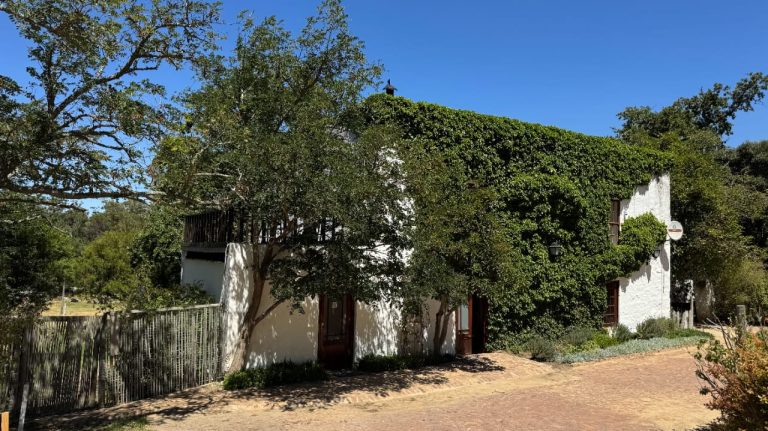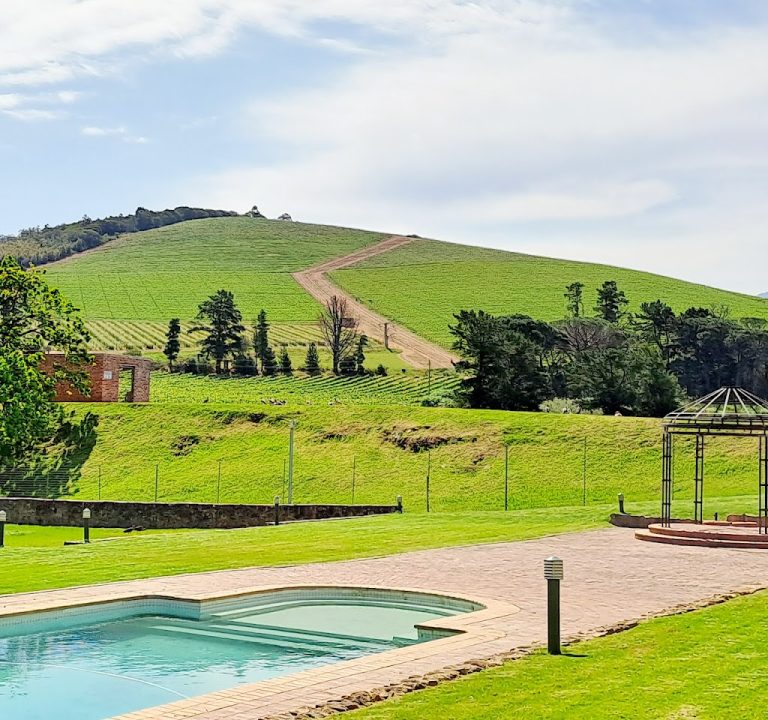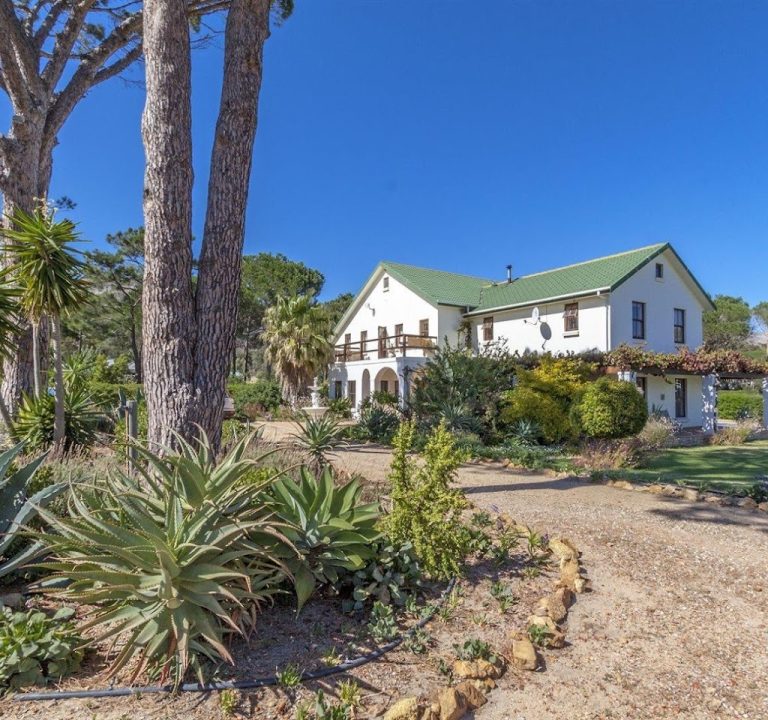
High Riding Country Estate is a Lodging establishment in Cape Town, Western Cape, South Africa
About High Riding Country Estate
High Riding Country Estate in Cape Town, Western Cape, presents itself through a dedicated contact page that signals a traditional approach to guest inquiries and guest communications. The page feels designed to connect potential guests with the property via a straightforward enquiry channel, rather than offering a detailed snapshot of rooms or on-site facilities in this specific section.
What is clear from the available material is a focus on facilitating contact and directing visitors to further information through the main site. The page includes headings suggesting sections for general inquiries and location-specific contact points, with a visually simple layout that emphasises accessibility and easy navigation. There is no explicit listing of room types, amenity inventories, or booking policies on this page, which means prospective guests will need to consult the primary site for the fuller picture of what High Riding Country Estate offers.
For travellers seeking guidance on whether a property suits their needs, this page implies a classic countryside estate experience without detailing bespoke features. The emphasis on “send us your queries” and “get in touch” indicates an intent to facilitate personalised communications, enabling potential visitors to ask questions about stays, availability, and arrangements that matter most to their plans. The absence of immediate pricing or policy information on this page suggests that those specifics may be addressed directly through a response from the estate via the contact channel or through the main site.
In terms of accessibility, the page references an international audience with the inclusion of sections labelled for different regions. While the exact nature of these regional listings is not further explained on this page, the presence of a contact framework signals a willingness to engage with guests from various locations via online correspondence. The overall impression is of a traditional, service-oriented property that prioritises direct communication as a path to booking and planning a stay.
For those seeking to learn more before arranging a visit, the homepage presumably hosts more comprehensive information about accommodation style and in-house amenities, along with any curated traveller experiences. The linked navigation to the home page suggests a broader resource for guests to explore the estate’s ambience, surroundings, and potential activities beyond the scope of the contact page.
Booking and travel tips at this stage are guided by the structure of the page: use the contact route to inquire about room availability, specific amenities, and any policies relevant to a stay at High Riding Country Estate. Visitors may also wish to peruse the main site for a fuller sense of the accommodation style and on-site offerings, and to verify practical details such as location context within Cape Town, access considerations, and potential local experiences that align with a country estate stay.
Who the property may be best suited for is implied rather than stated outright on this page. The emphasis on direct enquiry and the establishment of a formal contact channel typically appeals to travellers who favour personalised planning, tailored arrangements, and clear communication with a property before committing to a booking. This may include guests seeking a tranquil retreat, those who value bespoke travel planning, or visitors who prefer to coordinate specific details through direct contact.
- Use the official contact page to submit queries and request information about stays, availability, and tailored arrangements.
- Visit the main website for a fuller overview of accommodation style, on-site amenities, and any bundled experiences or packages.
- Check for practical travel details such as distance to central Cape Town, transport options, and recommended itineraries on the property's primary site.
Cape Town
Western Cape
7135
South Africa


Exploring Cape Town: where to stay and what to do for a memorable visit
Cape Town, perched between the Atlantic Ocean and the iconic Table Mountain, offers a diverse mix of accommodation styles and neighbourhoods, from stylish lodges in the leafy Constantia valley to contemporary hotels along the V&A Waterfront and cosy guesthouses in the historic Bo-Kaap area. Planning a stay here means balancing scenery, access to sights, and a flavour of neighbourhood life. Whether you are seeking a luxurious escape, a family-friendly base, or a romantically rustic retreat, there are options to suit every itinerary.
Areas to consider when booking include:
- City Centre and the V&A Waterfront for walkable access to shops, museums, and harbour activities.
- Gardens Route and the leafy southern suburbs for tranquil gardens, wine-tasting, and easy routes to Table Mountain via cableway or hiking trails.
- Constantia and Tokai for a winelands vibe, forested trails, and a quieter pace away from the city bustle.
- Sea Point and Camps Bay for beachside charm, promenades, and sunset dining with ocean views.
When choosing accommodation, consider typical features that make a stay comfortable in Cape Town’s climate and geography. Look for en-suite bathrooms, reliable broadband, and secure on-site parking if you plan to hire a car. A guesthouse or lodge with a generous breakfast offering can save time in busy mornings, while self-catering apartments provide flexibility for families or longer stays. If you value personal service, a small family-run guesthouse may offer local tips, guided walks, and personalised recommendations that larger hotels cannot match.
Transport is a key planning consideration. The city’s terrain means some sights are best reached with private transport, while areas near the central city are walkable. If you prefer public options, many guesthouses arrange airport transfers or arrange reputable shuttle services. Renting a car gives you the freedom to explore Table Mountain National Park, the Constantia Wine Route, and the Cape Peninsula’s coastal towns at your own pace, though some neighbourhoods can be steep or require careful driving on winding roads.
Best time to visit Cape Town depends on what you want from the trip. the shoulder seasons of spring (August to October) and autumn (March to May) tend to offer pleasant weather, fewer crowds, and vibrant landscapes. Summer (December to February) brings longer days and sea breezes, while winter (June to August) is quieter but can be cooler and wetter, ideal for museums and indoor dining. If you are seeking wildlife and dramatic scenery, plan a day trip to the Cape Point or the Cape of Good Hope, and keep a flexible itinerary to account for changing weather conditions on the Peninsula.
Accommodation styles vary, but many places share common amenities. Expect comfortable beds with quality linens, private bathrooms, and climate control for variable Cape Town temperatures. A well-equipped kitchenette or honour-style pantry can be handy for families or longer stays. Outdoor spaces are a big draw in Cape Town; rooms or suites with balconies, courtyards, or access to a garden can enhance the experience, especially during the spring bloom or autumn fruit harvest.
Food and dining are integral to a stay in Cape Town. While you should seek out renowned fine-dining and trendy modern eateries, the city also rewards guests with markets, seafood shacks along the coast, and farm-to-table options in the winelands. Many accommodation providers offer suggestions for local restaurants, from casual bistros to family-friendly venues, and some guesthouses host informal tasting evenings or communal dinners. If you enjoy self-catering, markets and delis in precincts such as the city bowl or beachfront areas provide fresh produce, artisanal cheeses, breads, and seafood that pair well with a day of sightseeing.
Attractions and experiences to consider alongside your stay include iconic viewpoints and natural beauty. A trip to the top of a mountain can be achieved via a scenic cable car or a rewarding hike, offering panoramic views over the city and coast. The waterfront and its museums provide cultural insights and a relaxed stroll with harbour ferries and boat tours as options. Nearby nature reserves offer wildlife encounters, coastal walks, and picnic spots. For culture and history, neighbourhoods with long-standing character and colourful houses provide photographic opportunities and a sense of local life.
Practical tips to make the most of your visit:
- Book accommodation with flexibility in dates and cancellation policies, especially if travel plans may change.
- Check access to common areas and transport links, particularly if you plan day trips to the Cape Peninsula or the Winelands.
- Pack layers for temperature fluctuations between day and night, and bring comfortable walking shoes for uneven streets and rocky trails.
- Explore a mix of paid attractions and free viewpoints to balance your itinerary and budget.
- Look for a base that offers proximity to a couple of core activities (city sights, a beach, and a scenic drive) to reduce daily transit time.
For a convenient base that combines quiet surroundings with easy access to Cape Town’s sights, consider properties such as lodges and guesthouses perched on the outskirts of the city or in scenic valleys. These often offer tranquil gardens, motor-accessible routes, and the chance to unwind after a day of exploration. If you would like a personalised option, some establishments tailor experiences, from guided nature walks to wine-tasting itineraries, to help you get the most from your stay.
For more information and a sample of local lodging options, you can explore sites and listings that showcase a range of Cape Town stays, including those that offer direct booking via their own websites. A well-chosen base, combined with a flexible schedule, can transform a visit to Cape Town into a memorable blend of scenery, culture, and gastronomy. If you are considering a stay at High Riding Country Estate, their site provides details on accommodation and contact options to help you plan your trip ahead of time.
Sorry, no records were found. Please adjust your search criteria and try again.
Sorry, unable to load the Maps API.
Why Claim Your Listing?
Claiming your listing on the B&B Finder directory website is a valuable opportunity for business owners. Here are five reasons why you should consider claiming your listings:
Control Over Business Information: By claiming their listing, business owners can ensure that all the information presented is accurate and up-to-date. This includes details such as contact information, address, pricing, and available services or amenities. Accurate information helps prevent customer confusion and improves overall satisfaction.
Enhance the Listing: Once a listing is claimed, owners can enhance it by adding more comprehensive information and rich media, like high-quality photos and videos. These additions can make the listing more attractive and engaging to potential customers, thereby increasing the likelihood of bookings.
Marketing Opportunities: Claiming a listing can also open up additional marketing opportunities. Owners may be able to participate in promotional campaigns, special offers, and other marketing activities organized by the directory. This can increase visibility and attract more customers to the business.