Accommodation and experiences in Cape Town, Western Cape: planning your stay and making the most of it
Cape Town blends dramatic scenery with a vibrant mix of neighbourhoods, cultural experiences and coastal charm. When planning where to stay, think about how you want to spend your days: dramatic mountain views, easy access to beaches, or sleepy wine country close by. The city’s primarily guesthouse, B&B and boutique hotel options range from characterful Victorian houses in the leafy suburbs to modern waterfront apartments with sea views. For larger groups or corporate events, conference centres and lodges within easy reach of the city offer versatile spaces and flexible accommodation in one place.
Areas to consider when booking your base include the City Bowl and Gardens for walking access to museums, galleries and restaurants; the Atlantic Seaboard for spectacular coastline and sunset scenery; and Constantia or the Southern Suburbs for a more relaxed, residential atmosphere and proximity to wine estates. If you’re drawn to beaches and nightlife, the Camps Bay and Sea Point corridors provide a lively scene, while a stay in the inner-city may suit travellers who prefer compact convenience and easy public transport.
When choosing accommodation, look for thoughtful touches that enhance ease and comfort. A reliable Wi-Fi connection for planning day trips, quality bedding, climate control for warm or cool seasons, and en-suite bathrooms tend to be standard in mid-range and upscale places. If you’re visiting for business or a conference, lodges or conference centres often bundle on-site meeting facilities, catering options and shuttle services, reducing the need to navigate the city outside of work hours.
Planning a balanced itinerary is essential in Cape Town, where the landscape can be spectacular but also stretches travel time between sights. A typical day might begin with a morning drive or stroll to a top vantage point for sunrise, followed by a visit to a museum or a market, a leisurely lunch, and an afternoon beach or garden stroll. For day trips beyond the city, the nearby Cape Winelands offer wine estates and picturesque towns that are reachable by car or organised tours. If you prefer public transport, the MyCiTi bus network and well-lit pedestrian zones in the city centre provide convenient options, though some routes to outlying areas may require a taxi or rideshare for flexibility.
Typical amenities to expect in Cape Town accommodation include well-equipped kitchens or kitchenettes, private or shared lounge areas, laundry facilities, secure parking, and outdoor spaces such as terraces or small gardens. For stays near the water, look for properties with easy beach access or boardwalks. If you are attending a conference or event, an on-site or nearby conference centre can save time and simplify logistics. Some properties may offer shuttle services to major venues or airports, which can be a practical perk when schedules are tight.
Seasonality influences both availability and price. Peak travel months tend to be during the South African summer (roughly November to February), with beaches and outdoor activities thriving during this period. Winter (June to August) can offer quieter streets and cooler weather ideal for museum visits and city walks, but some outdoor attractions may have shorter opening times. Shoulder seasons often provide a good balance of pleasant weather and reasonable rates. If you plan a wine country day trip, consider midweek visits to avoid crowds and to enjoy a more relaxed pace at estates.
For a well-rounded stay, it helps to combine accommodation with a few key experiences. In Cape Town you can expect a wide range of culinary options, from casual street-food markets and coffee roasters to fine-dining restaurants that showcase coastal produce and modern South African flavours. Restaurants in central areas tend to be convenient for guests staying near the harbour or the city, while coastal suburbs offer sun-drenched al fresco dining with ocean views. Always check recent guest reviews for service and consistency, and consider making reservations for popular spots, especially on weekends.
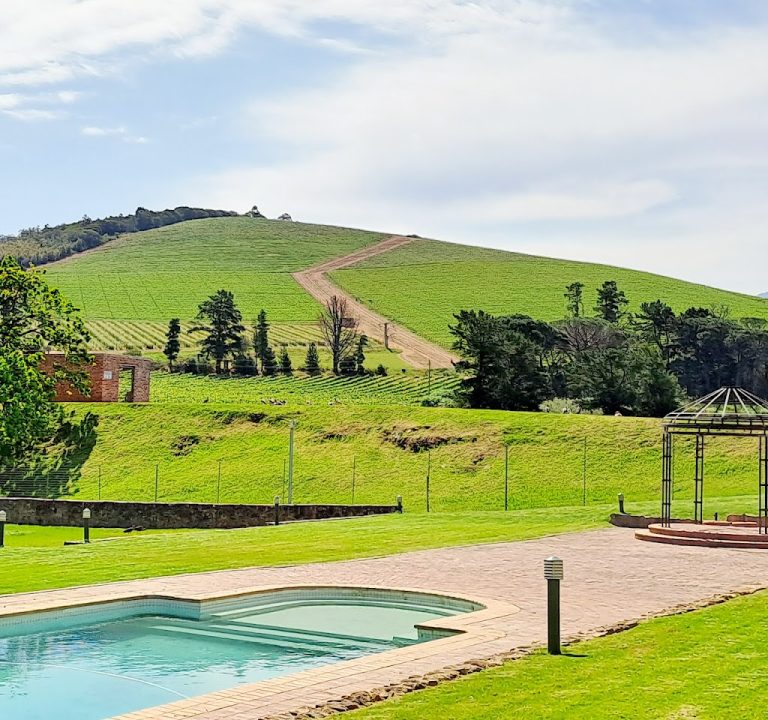
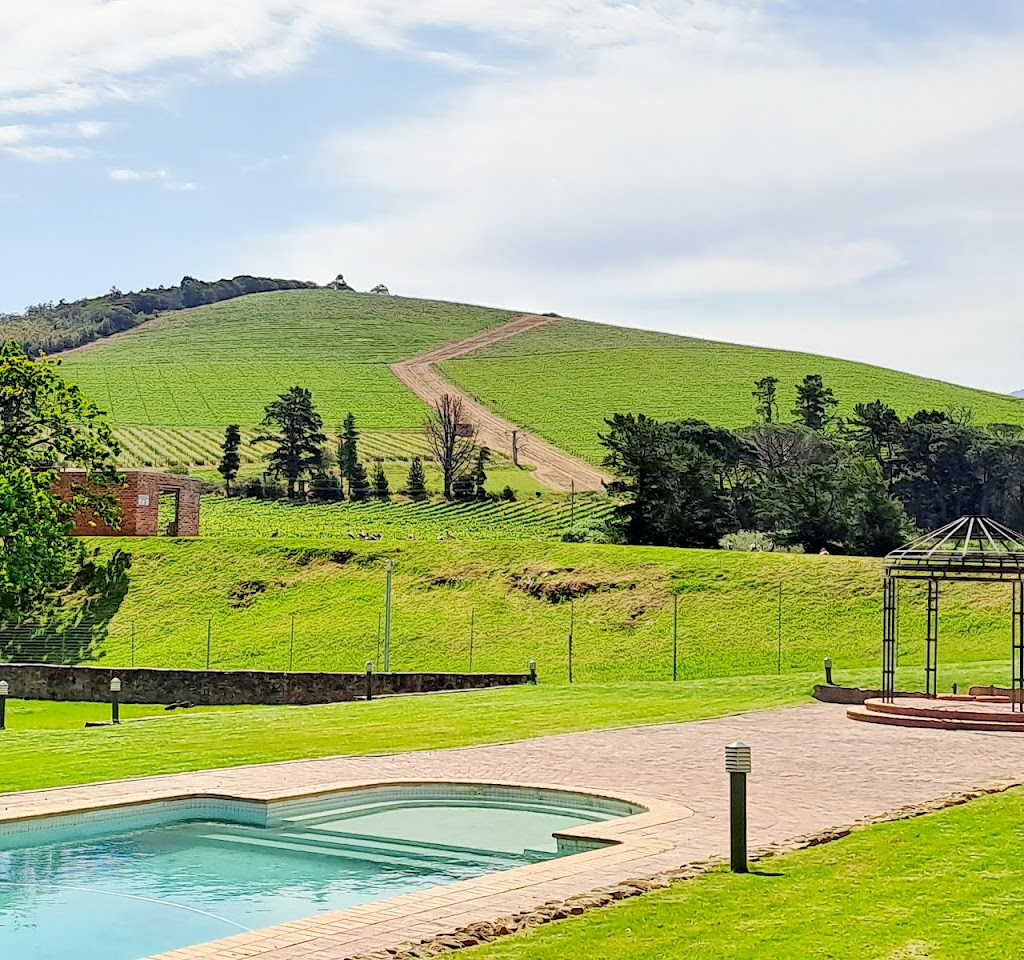
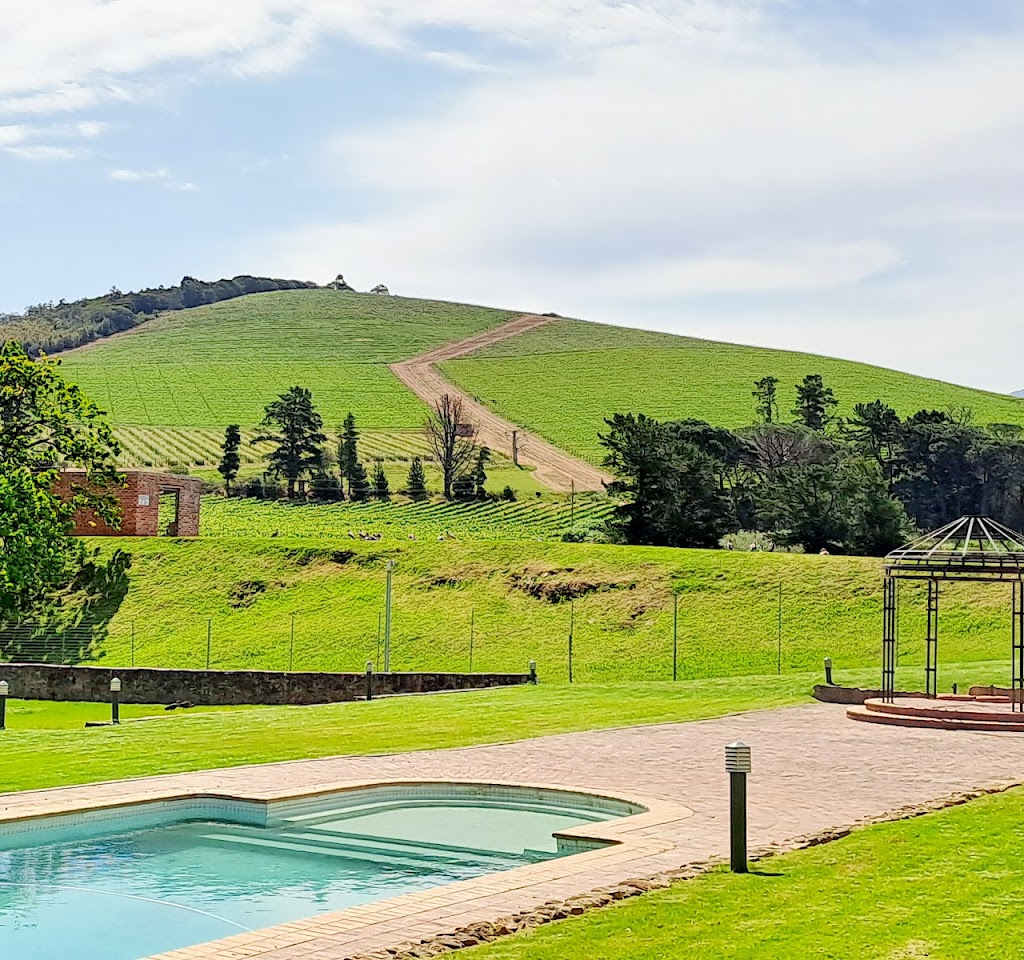
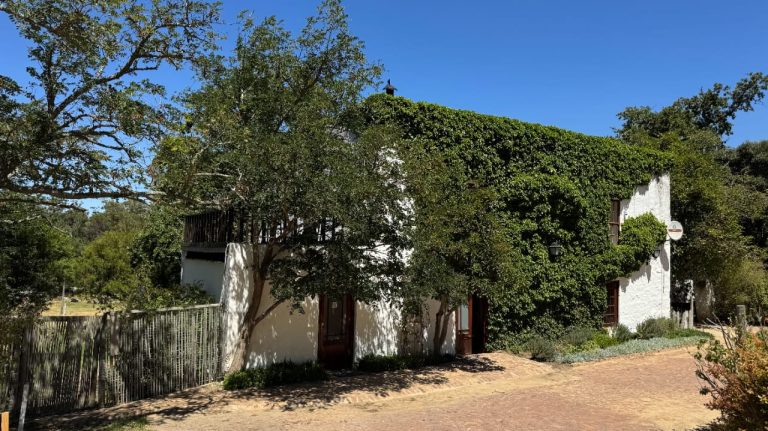
Among notable options for accommodation with a focus on versatility and meetings is Ongegund Lodge & Conference Centre. This property combines comfortable lodging with conference facilities in a setting that can suit corporate groups, incentive travel, or private functions, while keeping guests within easy reach of Cape Town’s attractions. For more information about availability and facilities, you can visit their website at Ongegund Lodge & Conference Centre.
Practical tips to help you enjoy Cape Town to the fullest:
- Book in advance for peak periods and consider a mix of base locations to minimise long drives between sights.
- Prefer accommodation with easy access to reliable transport links, or choose hosts who can arrange airport transfers or local shuttle options.
- Pack layers to adapt to changing coastal weather and strong sea breezes.
- Plan a realistic mix of outdoor activities and indoor experiences to account for wind, sun exposure and occasional rain.
- Respect local regulations and safety guidance, particularly when exploring coastal paths or nature reserves.
In summary, a well-chosen base in Cape Town can empower you to explore iconic nature, fascinating culture, and a thriving food scene without feeling rushed. By considering area, amenities, transport options, and the rhythm of the seasons, you can craft a stay that feels effortless, whether you are travelling for leisure, a conference, or a combination of both.