Exploring Cape Town: Accommodation, Areas to Consider, and How to Plan an Enjoyable Stay
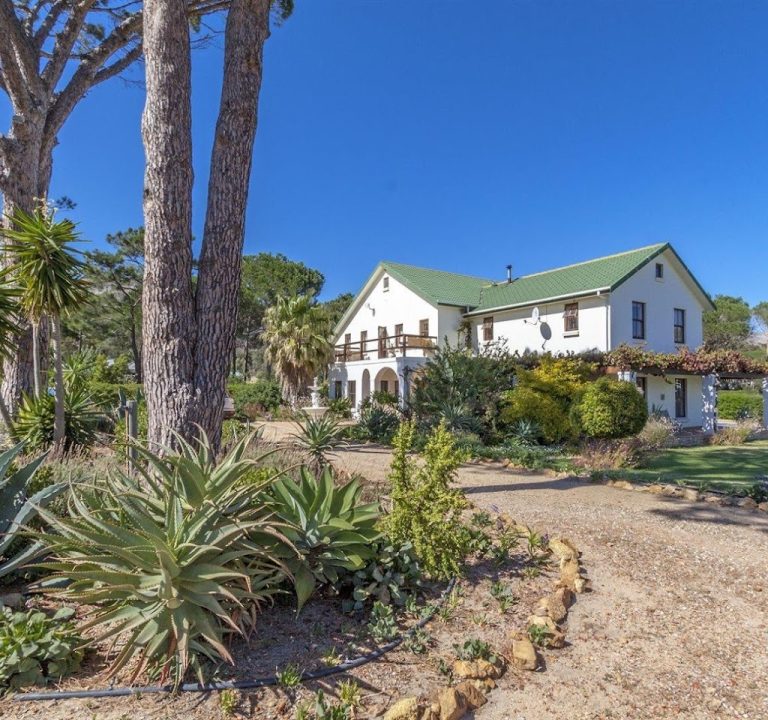
Cape Town blends dramatic natural scenery with a vibrant urban vibe, making it a destination where choosing the right place to stay can shape your whole experience. Whether you favour boutique guesthouses, modern hotels, or self‑contained apartments, there are options to suit every style and budget. For those looking for a calm base with a touch of local character, Cape Country Living Guesthouse stands as an example of the boutique guesthouse experience that many visitors appreciate in the area. The key is to match your accommodation to the kind of days you want to have, as well as how you plan to move around the city and the surrounding winelands.
Areas to consider when selecting a base:
- City Bowl and Central Cape Town: Close to museums, cultural sites, and dining, with easy access to tours and hop‑on/hop‑off routes.
- Atlantic Seaboard (Gardens, Sea Point, Bantry Bay, Camps Bay): Coastal views, longer walks along promenades, and a lively dining scene, with nightlife concentrated along the waterfront and popular beaches nearby.
- V & A Waterfront and the Waterfront precinct: A pedestrian‑friendly hub ideal for first‑timers, with access to cruises, boat tours, and a cluster of eateries.
- Constantia and the Southern Suburbs: Green spaces, wine estates, and a quieter residential atmosphere, suited to travellers seeking scenery and slower-paced days.
- Southern Peninsula and Kalk Bay: A more relaxed coastal palette with charming shops, seafood spots, and scenic coastal drives.
When booking, look for:
- Proximity to your planned activities, whether it’s a Table Mountain cableway visit, a Robben Island tour, or time on the beaches.
- Clear information about access to public transport or parking if you plan to drive or hire a vehicle.
- Inclusion of breakfast or access to a self‑c catering option if you prefer early starts or late returns from days out.
- Guesthouses or hotels with flexible cancellation policies, especially if your plans involve weather‑dependent activities or variable schedules.
- Reliable WiFi, comfortable living spaces, and well‑maintained rooms with adequate heating or cooling for the season.
Typical amenities to expect and what they mean for your stay:
- En‑suite bathrooms and clean linen services for comfort after days spent outdoors.
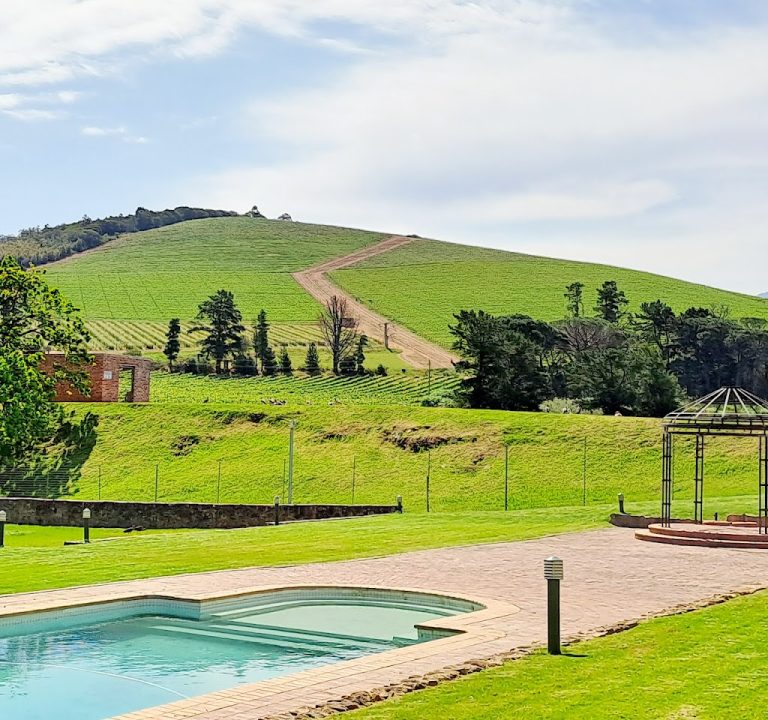
- Common lounges or outdoor spaces where guests can mingle or unwind with a view.
- Self‑catering facilities or a shared kitchen in guesthouses, a convenient option for travellers with dietary needs or early departures.
- Secure access, good lighting, and staff or hosts who can provide local tips and bookings for tours or restaurants.
- Accessible transport options, such as on‑site parking or guidance on public transport routes and ride‑hailing services.
Practical planning: transport, timing, and pacing your days
Public transport in Cape Town has improved over the years but expectations should be realistic. The MyCiTi bus network offers routes across parts of the city, while Uber and other ride‑hailing apps are widely used for convenient door‑to‑door transport, especially in the evenings. If you plan to explore the winelands or coastal towns, a rental car provides flexibility to stop at viewpoints and farms at your own pace. Some guesthouses provide parking permits or recommended routes to avoid busy stretches during peak hours.
The best time to visit Cape Town depends on your priorities. Spring (August to October) brings mild temperatures and blooming gardens, ideal for hiking and outdoor activities. Autumn (March to May) offers pleasant weather and reasonable crowd levels. Summer (November to February) is peak‑season, with longer days, beach days, and busier attractions, while winter (June to August) brings cooler weather and the possibility of rain, but still plenty of indoor cultural experiences, museums, and wine tasting‑drives in the surrounding regions.
Attractions and experiences to keep in mind (general guidance):
- Iconic viewpoints and hiking routes, including cable‑car access to high‑prominence peaks and gentle coastal trails for all levels.
- Coastal drives along the Atlantic Seaboard with opportunities to stop at beaches, bays, and coffee spots.
- Historic sites and museums that offer insight into the city’s past and its diverse communities.
- Trend‑aware dining districts where a range of cuisines and price points can be found, from casual eateries to stylish restaurants.
- Wine estates in the surrounding hills where tastings and scenic lunches form part of a balanced day trip.
Helpful tips for a smooth stay:
- Book a base with clear guidance on access and local tips, especially if you are new to the city or visiting with family.
- Pack layers for changes in temperature, particularly if you plan outdoor activities early in the morning or late in the day.
- Plan a mix of days: include a signature activity, a relaxed day with a seaside stroll, and a culture‑focused day in the city centre.
- Check safety recommendations and keep valuables secure, as you would in any major city, while enjoying the warm hospitality Cape Town is known for.
- Explore local cuisine by trying a range of eateries, from casual cafés to markets offering fresh produce and artisanal products.
For further inspiration and practical planning, official tourism resources often provide up‑to‑date information on attractions, events, and routes around Cape Town and the Western Cape. A stay centred in a well‑located guesthouse or boutique hotel can be both a comfortable retreat and a smart base for day trips to nearby nature reserves, historic sites, and coastal towns, ensuring you experience the best of Cape Town’s beauty and hospitality during your visit.