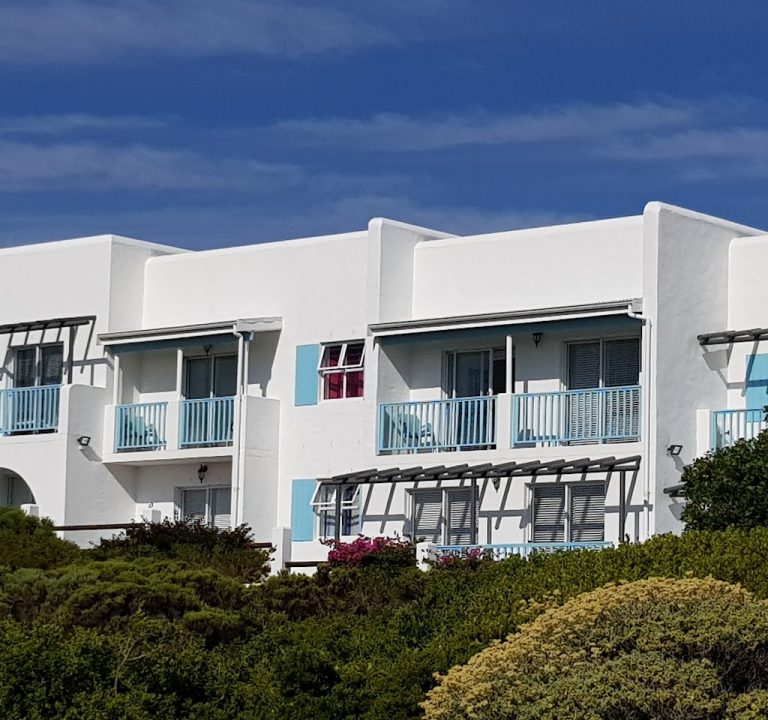
Accommodation, attractions and local tips for De Kelders, Western Cape
De Kelders sits just above the sea cliffs near Gansbaai in the Western Cape, offering a relaxed base for visitors who want dramatic coastal scenery, marine experiences and easy access to the Cape Fold mountains. The area is known for its scenery as much as for its wildlife encounters, making it ideal for a slow, discoveries‑led stay. When planning where to stay, consider whether you want uninterrupted sea views, a short stroll to the shore, or a lodge style with a private deck for sunsets over the Atlantic. A range of accommodation options exists—from small guesthouses and B&Bs to self‑catering apartments and boutique stays—each with its own character and service level.
One example among the local offerings is Haus Giotto B&B, a bed & breakfast that embodies the personal touch travellers often value in De Kelders. Such properties typically prioritise guest comfort with a focus on breakfast value, cosy common areas, and friendly tips on exploring the coast. When you book, look for hosts who can tailor suggestions to your plans, whether your priority is whale watching, seafood dining, or coastal hiking.
Areas to consider include the cliffside neighbourhoods with dramatic sea views, as well as quieter pocket streets a short walk from the main strand. If ease of access and parking are priorities, a ground‑floor room or a property close to the road network can be convenient for day trips along the coast. For a more secluded break, seek properties perched higher above the waterline, which can offer panoramic vistas and a tranquil atmosphere after dusk.
Typical amenities you’ll encounter in this part of the Western Cape include private or en suite bathrooms, heating for cooler months, and ample natural daylight. Many guesthouses and B&Bs offer breakfast inclusions, often comprising fresh bread, fruit and regional items, with the option to dine al fresco on a terrace. For families or longer stays, look for self‑catering suites or rooms with a small kitchenette, which can provide flexibility for early mornings before excursions or late returns from coastal walks.
The area is walkable in parts, with coastal paths and viewpoints that afford close‑up encounters with the sea. If you’re driving, a hire car is convenient for exploring nearby fishing villages, nature reserves and a broader range of dining options. Local taxis and ride‑sharing services are usually available, but it’s worth checking with your accommodation about transport arrangements, especially for early whale watching trips or late returns after sunset.
When to visit: De Kelders is famous for whale watching during the migration season, which typically spans late autumn to early spring. The peaks and timing can vary with ocean swells and wind, so many guests plan a week or longer to maximise their chances of sighting whales from cliffside vantage points. The surrounding region also offers nature hikes, birdwatching routes, and coastal scenery that is particularly dramatic at sunrise or sunset. If you’re drawn to marine adventures, you’ll find vessel operators and tour outfits in nearby towns that organise responsible wildlife encounters and sea safaris, with emphasis on safety and environmental stewardship.
Eating out and food culture in the De Kelders/Gansbaai area centres on fresh seafood, farm‑to‑table ingredients and relaxed dining. Rather than listing individual venues here, consider choosing stays that provide restaurant recommendations or partner with local eateries. In general, you’ll find cafés and bistros serving hearty breakfasts to fuel early excursions, as well as more formal seafood restaurants and tapas‑style spots for a lighter evening option. Many guesthouses are happy to guide you to seasonal offerings and create a plan for day‑to‑day dining that fits your itinerary.
Practical planning tips to help you get the most from your stay:
- Book early for peak whale‑watching periods and coastal weekends, especially if you require a specific room type with sea views.
- Check what is included with your room—breakfast, access to communal lounges, balconies, and whether there is onsite parking.
- Ask about accessibility to viewing platforms and headland trails, which are popular for sunset photography and early morning walks.
- Confirm transport arrangements in advance if you plan to join early tours or plan late returns; a car is often the most convenient option in this rural coastal area.
- Pack sensible footwear for cliff paths and uneven trails, plus a light waterproof for changeable Cape weather.
For a balanced stay, aim to combine a couple of nights in De Kelders with a day trip to neighbouring towns or nature reserves. The coast here rewards visitors with memorable scenery, wildlife from whale calves to seabirds, and a sense of quiet compared with busier coastal hubs. With careful planning around accommodation, meals and timing of shore excursions, your visit to De Kelders can be a restorative, wildlife‑rich coastal retreat that also leaves room for spontaneous discoveries and coastal strolls at golden hour.