De Kelders: A Practical Guide to Accommodation, Attractions and Local Delights
De Kelders sits along the scenic coastline of the Western Cape, just outside the town of Gansbaai. Known for its dramatic sea views and close proximity to excellent whale-watching opportunities, this small but well-connected area offers a range of stay options for travellers seeking a relaxed, coastal escape. Whether you are planning a romantic weekend, a family break, or a solo exploration of the Southern Right Whale Route, De Kelders makes an appealing base from which to discover the Overberg region.
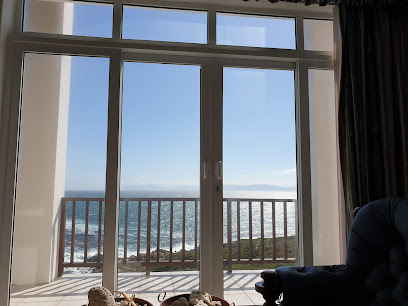
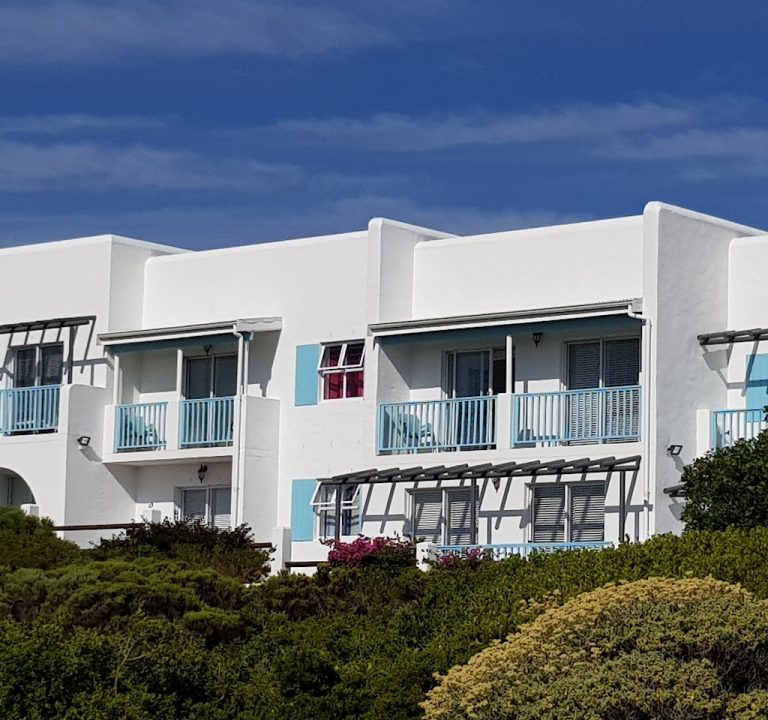
Accommodation in De Kelders spans guesthouses, B&Bs, self-catering homes and boutique lodges. If you are researching stays like De Kelders Guest House, you will typically find properties that prioritise comfort, personalised service and easy access to the coastline. When booking, consider the distance of your chosen property from the shoreline, as the best vantage points often lie on higher terraces or cliff edges with sea views. It is also worth checking whether the inn offers recommendations for local experiences, such as guided strolls along the cliffs, or partnerships with nearby activity operators.
Areas to consider when planning your stay include the main coastal strip of De Kelders itself, where many properties offer direct access to panoramic viewpoints and stairways leading down to quieter coves. A short drive inland connects you to the small commercial hub of Gansbaai, where you can stock up on provisions, browse local crafts and access broader dining options. For those who appreciate a touch of exclusivity, some lodges sit within gated complexes or hillside estates that provide heightened privacy and space for families or groups.
Typical amenities in De Kelders accommodations often include en-suite bedrooms, free Wi‑Fi, private or shared terraces, and heating or underfloor systems for the cooler coastal evenings. Breakfast is a common feature in Bed & Breakfast establishments, sometimes complemented by evening meals or picnic hampers. If you are travelling with a vehicle, verify on-site parking arrangements and whether there is on-site storage for fishing gear or beach equipment. A few properties may offer guided tours, arrangement of whale-watching excursions, or discounts on local coastal experiences, so it pays to ask about what is standard and what can be arranged on request.
Transport options are straightforward. The region is car-friendly, with well-maintained roads linking De Kelders to neighbouring towns and the Cape countryside. If you do not plan to drive, check for practical alternatives such as shuttle services or the possibility of arranging a taxi for day trips. Public transport is limited, so a vehicle generally provides the most flexibility for exploring the area at your own pace. For those interested in longer excursions, the area forms part of the greater Cape Overstrand route, with scenic drives that link sea vistas to far-reaching farmlands and nature reserves.
The best time to visit De Kelders aligns with both wildlife watching and weather preferences. The Cape’s climate means mild springs and summers, with sea breezes offering relief from heat. Whale watching peaks during the austral winter and late spring, when Southern Right and other whale species frequent the coast. If your trip focuses on marine life, consider timing your stay to catch exhibition vantage points along the cliffs or day trips to the nearby sea safaris. Even outside peak wildlife seasons, the area offers dramatic seascapes, coastal walks and natural rock formations that reward patient visitors with ever-changing light and colour.
Practical planning tips for a smooth stay include these considerations:
- Book early if you plan to stay during peak whale-watching periods or school holidays, especially for properties with limited rooms or cliff-top balconies.
- Check access to the property’s terrace or viewing deck, as many guests value uninterrupted ocean panoramas and easy outdoor seating.
- Ask about breakfast options, dietary preferences, and whether there are on-site cooking facilities or nearby eateries suitable for family meals.
- Inquire about water accessibility for excursions, as some coastal paths include steps or uneven terrain.
- Confirm the proximity to the main road for convenient day trips to nearby attractions such as nature reserves, wine estates, and coastal towns.
Dining in the De Kelders area leans towards bright, airy seaside eateries and laid-back farmside cafés. Many spots prioritise seasonal ingredients and fresh seafood, with menus designed to be enjoyed with sea views or garden surrounds. If you prefer to venture out, the nearby towns offer a broader range of options, from casual bistros to more refined dining experiences. For visitors who enjoy cooking at their accommodation, several self-catering or kitchenette-equipped properties provide adequate facilities to prepare relaxed meals using local produce.
Nearby activities and attractions are shaped by the region’s natural beauty. Beyond whale watching, you can expect scenic coastal walks, cliffside trails, and opportunities to observe seabirds and marine life. Nature reserves and protected coastlines provide quiet places to reflect, picnic or photograph the dramatic ocean horizons. While this guide cannot name every specific venue, it is easy to plan a day that blends beach time, a gentle hike, and a visit to a nearby market or winery—each leg offering a taste of the Western Cape’s diverse landscape.
For more information on a representative stay in De Kelders, including practical details and availability, you may wish to visit the official accommodation page at Dekelders Guest House: a Bed & Breakfast option within the area. Visiting the property’s website can help you gauge current rooms, package deals, and how they curate a welcoming guest experience.