Discovering De Kelders: Where to stay and what to do in the Western Cape’s coastal gem
De Kelders, perched above the misty shoreline near Gansbaai, offers a mellow base for travellers seeking dramatic sea views, easy access to whale watching, and a relaxed coastal atmosphere. The area comprises a mix of guesthouses, small hotels, B&Bs and self‑c catering lodges, many set within short strolls to clifftop paths, secluded coves and the long stretches of sand that characterise this part of the Western Cape. When planning a stay, focus on how you want to experience the coast: with a quiet coastal retreat, a base for daily excursions, or a home from home with space to unwind after day trips.
Accommodation in De Kelders tends to emphasise comfort, simplicity and location. Expect warmly furnished rooms or suites, often with private terraces or balconies that capture the sea breeze and sunrise colours over the bay. Many properties provide essentials for longer stays, such as kitchenettes or shared kitchens, free parking, and reliable Wi‑Fi. A number of guesthouses add thoughtful touches—delicious breakfast options showcasing local ingredients, lending libraries for rainy afternoons, and endangered‑species or marine‑life displays that reflect the area’s natural appeal. For families or small groups, look for family‑friendly layouts, extra sofa beds, or interconnecting rooms. If you value a personal welcome, consider staying at a B&B or a boutique guesthouse, where hosts frequently offer local insights and custom recommendations.
When choosing where to stay, consider the following areas and features:
- Clifftop viewpoints and easy access to the sea: properties perched above the shoreline often provide the most spectacular views and quieter mornings.
- Proximity to walking trails and whale viewing points (in season): you’ll maximise time on the coast if you’re close to the paths along the cliffs and thepreferred whale watching routes.
- Private or communal outdoor spaces: decks, verandas or gardens allow you to enjoy fresh air, morning coffee or an evening sundowner without leaving your accommodation.
- Self‑catering capabilities: for longer stays or relaxed mornings, a kitchenette or access to a shared kitchen is convenient.
- Parking and access: daylight‑driven planning is easier if your base offers dedicated parking and level access, especially if you’ll be returning with shopping or beach gear.
Transport around De Kelders is best managed with a car, giving you the freedom to explore nearby nature reserves, tidal pools, and the larger coastal towns without relying on irregular public transport. If you’re arriving by air, the closest practical route is to fly into Cape Town or George, then drive or arrange a transfer along the scenic coastal route. Within the village, a short walk from most places of stay will usually lead you to the main viewpoints, cafés and restaurants. Taxis and ride‑hailing services can be helpful for evening outings, but worth bearing in mind that the area is best enjoyed at a relaxed pace, so a slower schedule can be a virtue rather than a constraint.
Best time to visit De Kelders depends on what you want from your trip. The area’s climate is mild, with warm summers and cooler winters by the sea. Whale watching peaks in winter and spring, when southern right whales frequent the coast, making window‑to‑window sea views and guided boat trips memorable. Summers can be lively with long days and plenty of sunshine, ideal for beach strolls and al fresco meals. If you prefer quieter periods, shoulder seasons offer calmer beaches, fewer crowds and more economical accommodation options. Do check local tide times and wind conditions, particularly if you aim to combine sea kayaking, shore fishing, or boat excursions with your stay.
Accommodations in De Kelders often pair well with nearby attractions and activities. The region is known for its marine reserves and nature reserves where guided walks and birdwatching offer accessible ways to enjoy the natural world. Visitors commonly combine a day of scenic drives along the coastline with a boat trip to see marine wildlife or to explore cave formations along the coast. Depending on your interests, you can set aside time for coastal walks, sunrise sessions on the clifftops, or a relaxed café‑to‑restaurant itinerary in nearby towns. Restaurants in the area tend to focus on fresh, seasonal produce, with menus that highlight seafood, farm‑to‑table options and light meals suitable for a post‑exploration appetite. Expect environments that are friendly to couples, friends, and families alike, with comfortable dining rooms and terraces where you can soak up the views after a day’s activities.
Practical planning tips for a successful stay in De Kelders:
- Book well in advance during peak whale season and school holidays to secure preferred rooms or suites with the best views.
- Ask hosts for local trails, tide schedules and wildlife watching tips tailored to the season.
- Pack layers for changes in coastal weather, a light waterproof, and comfortable walking shoes for cliff paths and beach strolls.
- Bring a reusable water bottle, as tap water is drinkable in many urban areas, and you’ll appreciate a bottle on long walks.
- Check whether your accommodation offers breakfast, or whether there are convenient café options nearby to suit your routine.
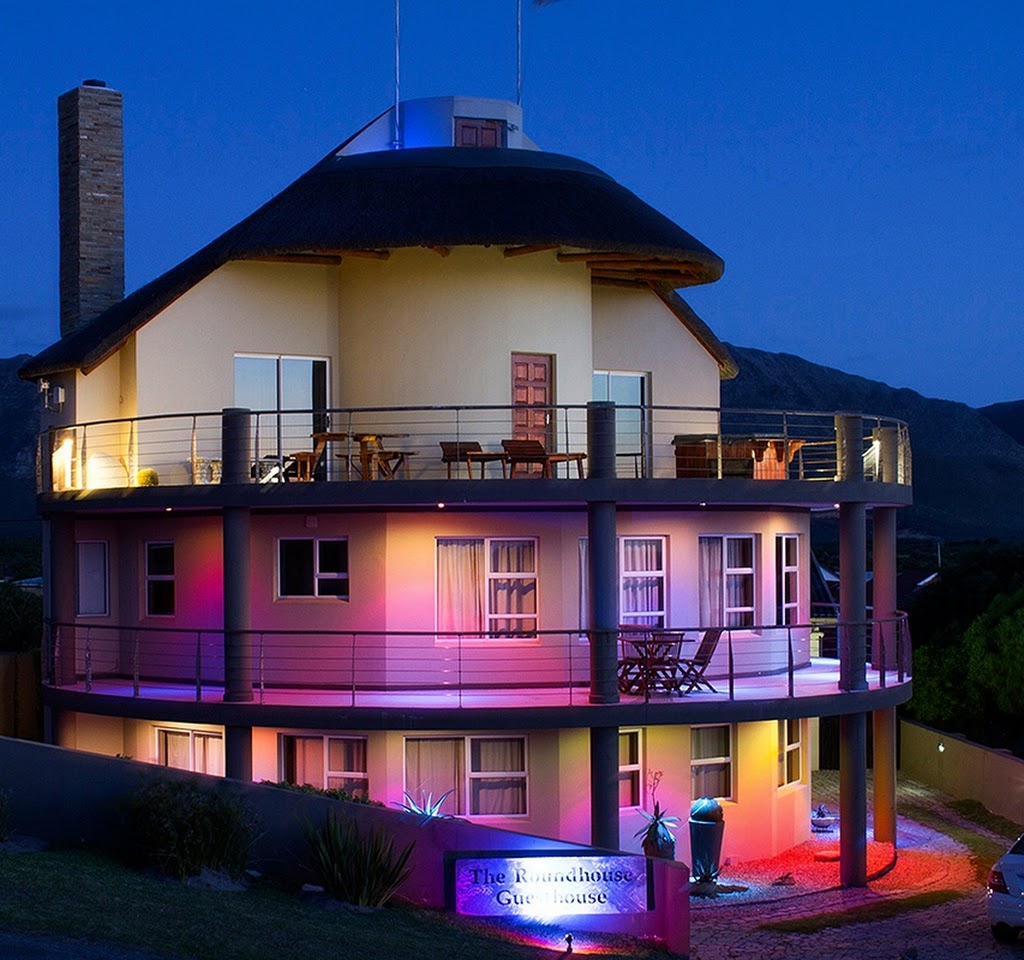
For those seeking a charming base with a strong sense of place, De Kelders delivers a relaxed, scenic stay with easy access to both the sea and the wider Cape Fold heritage of the Western Cape. If you are planning to visit, consider exploring the Roundhouse Gansbaai Accommodation as a welcoming option that aligns with a simple, comfortable, and location‑forward stay. Learn more about the property at its official website: The Roundhouse Gansbaai Accommodation.