Accommodation and experiences in Cape Town: planning a memorable stay
Cape Town offers a rich mix of places to stay, from intimate B&Bs and guesthouses to stylish boutique hotels and family-run lodges. Whether you seek a harbour vantage in the V&A Waterfront, a hillside retreat with sweeping views of the Atlantic, or a leafy escape close to Kirstenbosch and Constantia’s wine routes, the city can tailor itself to many travel styles. A well-planned stay balances convenience, comfort and value, with enough time to explore the city’s natural beauty, cultural highlights and diverse dining scene.
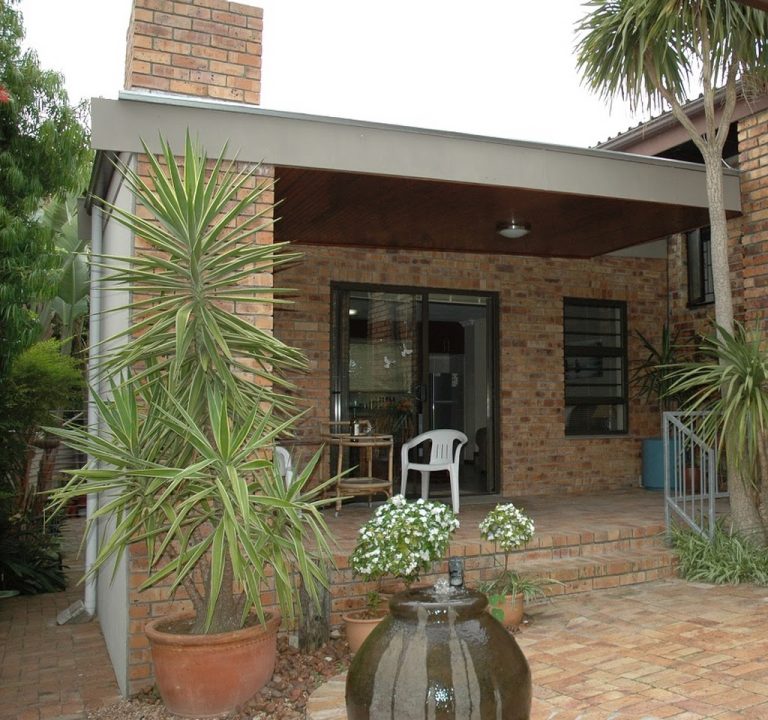
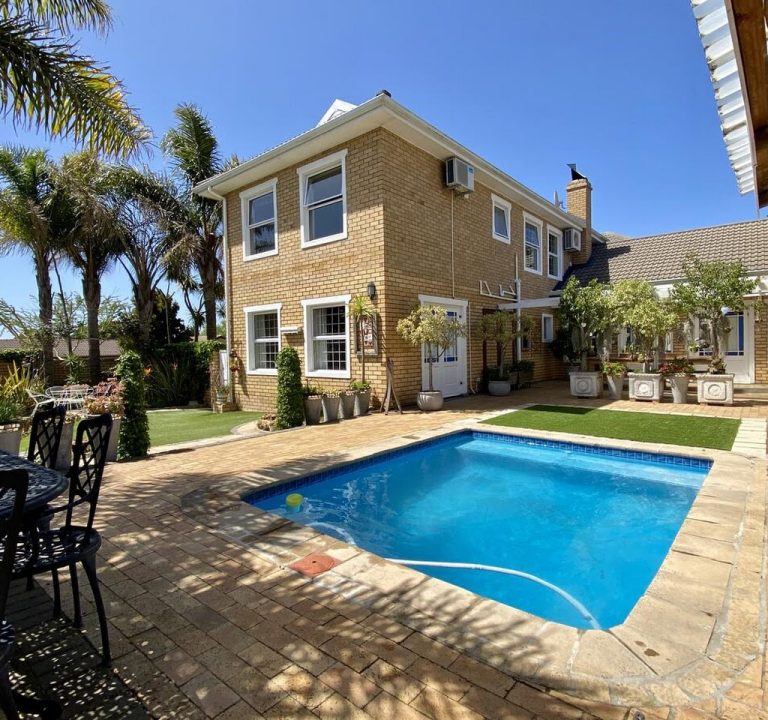
Harmony Cottage, a charming example of a Cape Town bed & breakfast, embodies the kind of personal welcome and thoughtful touches many guests appreciate. Small-scale stays like this often provide a friendly, home-from-home atmosphere, with breakfast usually included and local tips on how to get the most from your visit. When choosing a place to stay, consider not only the rate but the experience: how easy is it to reach your planned activities, whether there is off-street parking, and how the hosts can help you navigate city life and day trips.
Areas to consider, depending on your priorities, include:
- City Bowl and the central city: close to museums, theatres, and a wide range of restaurants, with easy access to Hop-on Hop-off routes and public transport.
- Atlantic Seaboard: stretches from the calm beaches of Camps Bay and Clifton to the historic Green Point, offering scenic views and a lively dining scene near the water.
- V&A Waterfront: a lively hub for dining, shopping, and departure points for boat trips and excursions, with many accommodation options that are within walking distance of the promenade.
- Constantia and the southern suburbs: ideal for wine lovers and quieter leafy streets, with easy access to longer day trips to Stellenbosch and Franschhoek.
- Bo-Kaap and the interior slopes: a historic neighbourhood with cultural flavour, plus easy access to outdoor adventures on the city’s surrounding hills.
What to look for when booking a stay in Cape Town?
- Room size and layout: check whether the bedroom and bathroom meet your needs, and if there is space for luggage, work, or a traveller’s workstation.
- Breakfast and meals: many B&Bs and guesthouses include breakfast; some offer additional meals or self-catering facilities. If you have dietary requirements, confirm options in advance.
- Parking and security: secure, on-site parking or easy-on-street options can save time and worry, especially if you plan to hire a car.
- Accessibility and transport links: proximity to MyCiTi or rail networks can simplify getting around without relying on a car every day.
- Quiet and comfort: consider the building’s layout, sound insulation and ventilation, particularly if rooms overlook busy streets or popular dining areas.
- Cancellation policies and flexibility: seasonal demand in Cape Town can be high; check policies in advance to avoid last-minute changes impacting plans.
Typical amenities you may encounter include Wi‑Fi, private en-suite bathrooms, air conditioning or heating, tea and coffee facilities, and outdoor spaces such as courtyards or balconies with views. Many guesthouses pride themselves on thoughtful extras—soft towels, quality bedding, locally sourced toiletries, and curated bedding that reflects South African hospitality. For families or longer stays, look for kitchen facilities or easy access to supermarket essentials nearby.
Transport and getting around Cape Town are part of the experience. If you are staying in the central or Atlantic Seaboard areas, walking or short rides can be convenient for daily exploration. For broader itineraries, a rental car provides flexibility to visit the Cape Peninsula, Cape Point, or the nearby Winelands. Public transport options, like bus networks or the urban rail line, offer affordable alternatives, while ride-hailing services are widely used for evening meals or late returns from outings.
The best time to visit Cape Town is influenced by the coastal climate, sea temperature and the desire to combine outdoor activities with city life. Spring and autumn offer mild temperatures and manageable crowds, while summer brings longer days for beach and outdoor experiences. Winter can be quieter and more affordable, with chances of dramatic skies and dramatic coastal scenery. Regardless of when you travel, plan for occasional sea breezes, strong sun, and variable winds on the coast. Check local event calendars for markets, outdoor concerts and seasonal food fairs to enrich your stay.
Practical tips for a smooth visit:
- Book ahead for popular periods but remain flexible where possible to adapt to weather and new opportunities.
- Pack layers, sun protection and a lightweight rain shell; waterproof footwear is practical for coastal walks or harbour trips.
- Assess dining options beyond famous spots: Cape Town’s neighbourhoods offer great markets, casual eateries, and family-run restaurants with diverse menus reflecting local tastes.
- Respect safety basics: use trusted transport options, keep valuables discreet, and be mindful of citiy traffic and parking regulations.
- Plan day trips with return time in mind, especially if you are staying in outlying suburbs or wine country, to avoid late-night driving in unfamiliar areas.
Major attractions tend to cluster around the city’s scenic coast and surrounding nature. Iconic viewpoints of Table Mountain, the rugged Atlantic coastline, and Robben Island’s history are easily combined with a visit to Kirstenbosch National Botanical Garden, the colourful shorelines of the Atlantic coast, and the cultural hubs of neighbourhoods with markets and galleries. Dining ranges from seafood and modern fusion to traditional South African cuisine, with many venues offering al fresco options and sunset meals that make the most of Cape Town’s natural beauty.
For planning inspiration, look to official tourism resources and reputable travel guides for updates on what is open, seasonal activities and transport options. A well-chosen base in Cape Town—paired with honest expectations and a flexible itinerary—can unlock a memorable stay that balances relaxation, scenery and the city’s lively cultural heartbeat. Visit nearby wine estates, take a stroll along the harbour, enjoy a beach day when conditions permit, and end with a meal at a neighbourhood restaurant that showcases local ingredients and hospitality.