Cape Town: Where to Stay, What to Do and How to Plan Your Visit
Cape Town sits on a dramatic crescent of coastline backed by mountains, offering a diverse mix of self-catering apartments, guesthouses, boutique hotels and lodges. When planning a stay, consider what you want to prioritise: waterfront views, proximity to city sights, easy access to the outdoors, or a quieter neighbourhood away from the bustle. The city is well connected by a compact network of roads and well-serviced public transport, making it possible to combine the best of urban culture with easy access to nature and beaches.
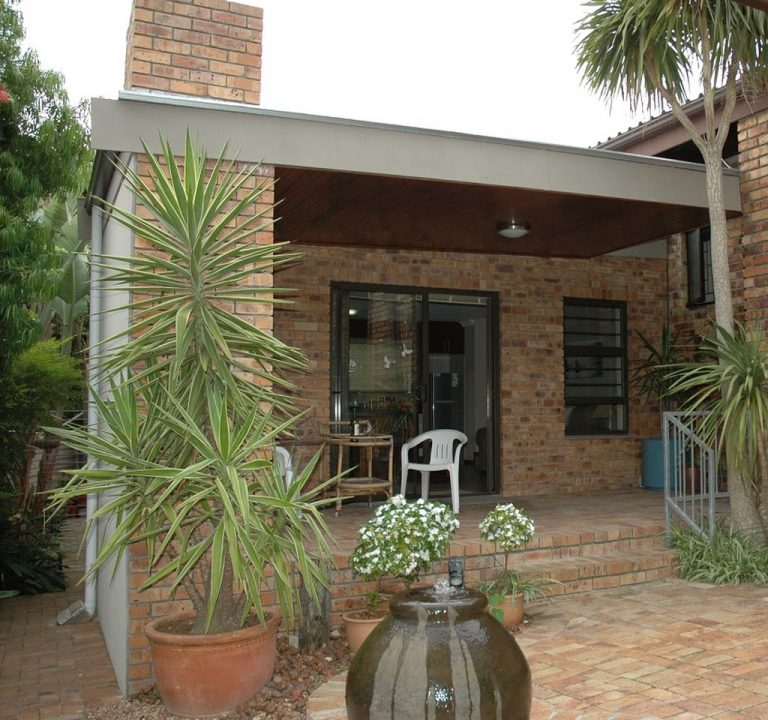
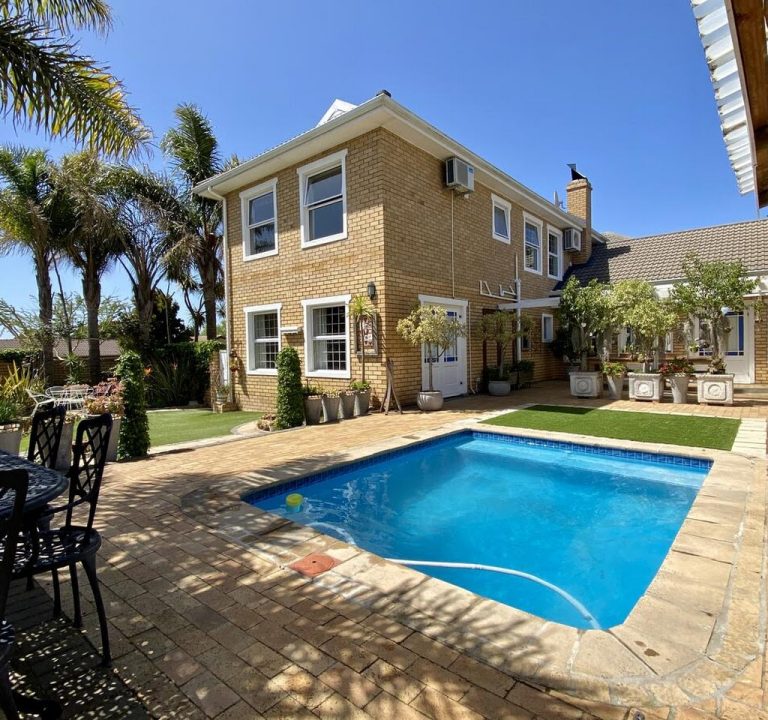
Accommodation options abound, from self-catering apartments to intimate guesthouses and larger boutique hotels. Self-catering stays can be particularly convenient for families or groups who want flexibility with meals and space. For example, self-catering options such as DCS Accommodation Stellenberg can provide a comfortable base with kitchen facilities and private living areas, allowing you to tailor days around your itinerary. When choosing a property, look for clear information about parking, security, and access to kitchen facilities, plus reliable Wi‑Fi if you plan to work remotely or stream during downtime.
Neighbourhoods to consider include the following, each with its own character and advantages:
- Central City and the V&A Waterfront: convenient for sightseeing, museums, markets and easy access to hop-on hop-off tours. This area is lively, with plenty of dining and coffee spots, but prices can be higher and parking variable.
- Atlantic Seaboard (Camps Bay to Bantry Bay): iconic coastal scenery, sunrises over the ocean, glamorous dining and long beach walks. Properties tend to be premium, with breathtaking views and a tranquil rhythm at night.
- City Bowl and Bo-Kaap: a vibrant, historic district close to restaurants, markets and cultural sites. Staying here can be energising, with steep streets and charming, compact accommodation options.
- Observatory, Woodstock and Gardens: more affordable options, with good access to local cafés and a growing arts-and-crafts scene. You’ll often find stylish, cosy B&Bs and self-catering flats here.
- Constantia Valley: a contrasting slice of tranquillity, ideal for wine lovers and those seeking green spaces, larger properties and a countryside feel within easy reach of the city centre.
When you book, consider what you want from transport during your stay. The city has a reliable MyCiTi bus network and ride-hailing services, which are convenient for short hops around town. If you plan day trips to the Cape Winelands or the Cape Peninsula, a rental car can be a practical option, giving you flexibility for early starts and sunset returns. Some guesthouses and lodges offer limited shuttle services or parking, so check this before you commit.
Typical amenities to look for include a well-equipped kitchen or kitchenette, a comfortable living area, good heating or cooling, and reliable Wi‑Fi. If you’re visiting in summer, a pool or outdoor seating area is a bonus; in winter, consider properties with underfloor heating or cosy communal spaces. Safety features such as secure parking, 24-hour reception, and clear access controls are important, particularly if you are staying in busy parts of the city or at peak times.
Best time to visit Cape Town depends on what you want from the trip. Spring (September to November) and autumn (February to April) are popular for mild weather and fewer crowds, with sea temperatures starting to rise again. Summer (December to February) brings lively outdoor scenes, beaches, and longer daylight hours, but the city can feel busy and prices rise. Winter (June to August) is cooler and rainier, yet it offers dramatic coastal scenery and fewer visitors. Pack layers, sunscreen, a light rain jacket, and comfortable walking shoes regardless of the season.
Planning your days around iconic attractions and experiences is part of the joy. You’ll find a mix of nature, culture, history and cuisine, from dramatic coastal drives along the Chapman’s Peak route to exploring museums, markets and waterfront spaces. For meals, Cape Town’s dining scene ranges from casual eateries to refined establishments with local ingredients and multicultural influences. In general terms, look for seasonal menus, fresh seafood, and dishes that highlight the Cape’s unique terroir. If you’d rather not plan every meal, many areas offer a concentration of cafes and casual dining where you can enjoy brunch or a relaxed dinner after a day of sightseeing.
Practical tips to help you make the most of your stay:
- Book early for peak seasons and popular areas to secure better rates and preferred room types.
- Confirm access to parking or reliable public transport links; central spots can be walkable but less convenient for car-dependent itineraries.
- Ask about house rules, housekeeping schedules, and policies on early arrivals or late departures to minimise disruption.
- Pack for variable weather and breeze along the coast; even in warmer months, evenings can be cooler by the sea.
- Respect local neighbourhoods and safety guidelines, especially when exploring on foot after dark.
Beyond accommodation, Cape Town offers a wide array of experiences. Natural highlights such as coastal viewpoints, mountain trails, and wildlife encounters form the core of most itineraries. Cultural experiences—markets, galleries and historic districts—offer a window into the city’s heritage and contemporary life. Dining ranges from bold, flavourful dishes to refined tasting menus, with many establishments proudly highlighting South African ingredients and winelands produce. For more information and to explore booking options, you can visit the city’s official visitor resources or the accommodation provider’s site to help tailor your stay to your preferences. A thoughtfully chosen base in a well-positioned neighbourhood sets the stage for a memorable Cape Town visit.