Accommodation and travel tips for a stay in Cape Town, Western Cape
Cape Town combines dramatic scenery with a wide range of places to stay, from intimate B&Bs and historic lodges to contemporary apartments and coastal hotels. When planning a visit, consider the different neighbourhoods to match your interests, whether you want sweeping sea views, easy access to Table Mountain, or a buzzy urban scene close to markets, cafés, and eateries. A balanced plan often includes a couple of stays in contrasting areas to experience both the natural landscape and the city’s unique culture.
Key areas to consider include the City Bowl for walkable convenience and city life; the Atlantic Seaboard (including Camps Bay and Clifton) for sunset scenery and beaches; Green Point and the V&A Waterfront for easy access to dining, entertainment, and transport links; and Constantia or the Constantia Valley for quiet residential charm and wine estates. For a more historic atmosphere, Bo-Kaap offers colourful streets and a sense of Cape Town’s heritage, while Hout Bay and the southern peninsula provide a laid‑back, scenic backdrop ideal for day trips and nature lovers. Each area offers a different pace and flavour, and many travellers choose a combination to reduce daily commutes while maximising experiences.
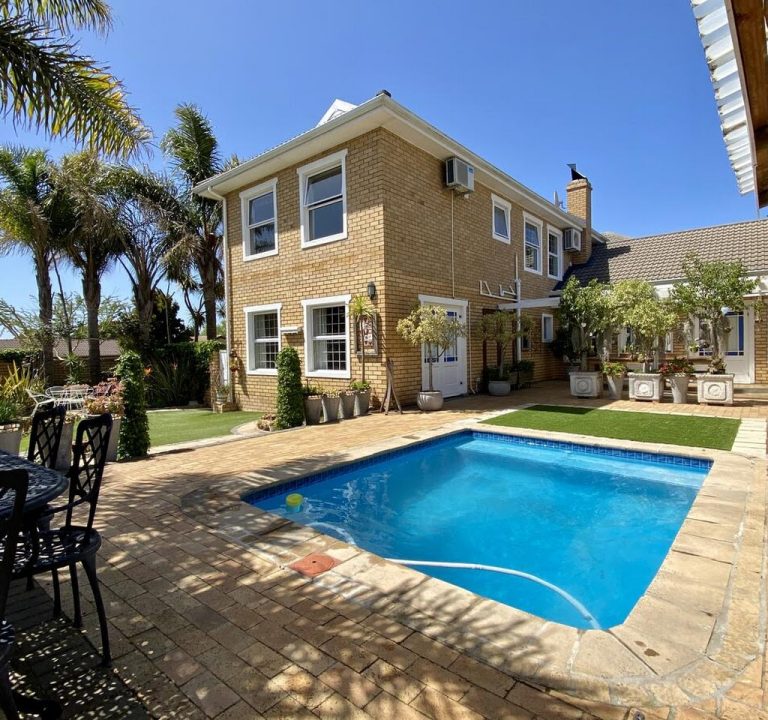
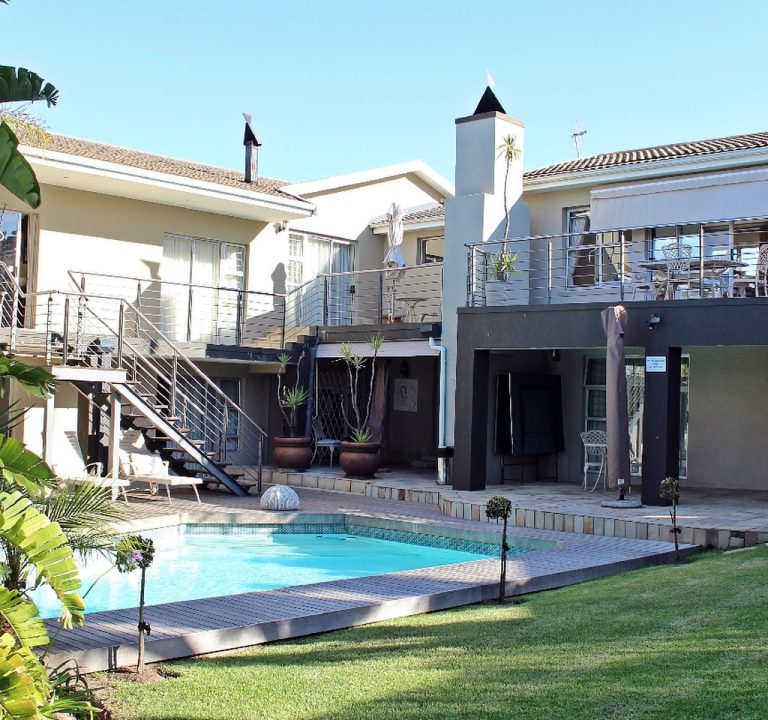
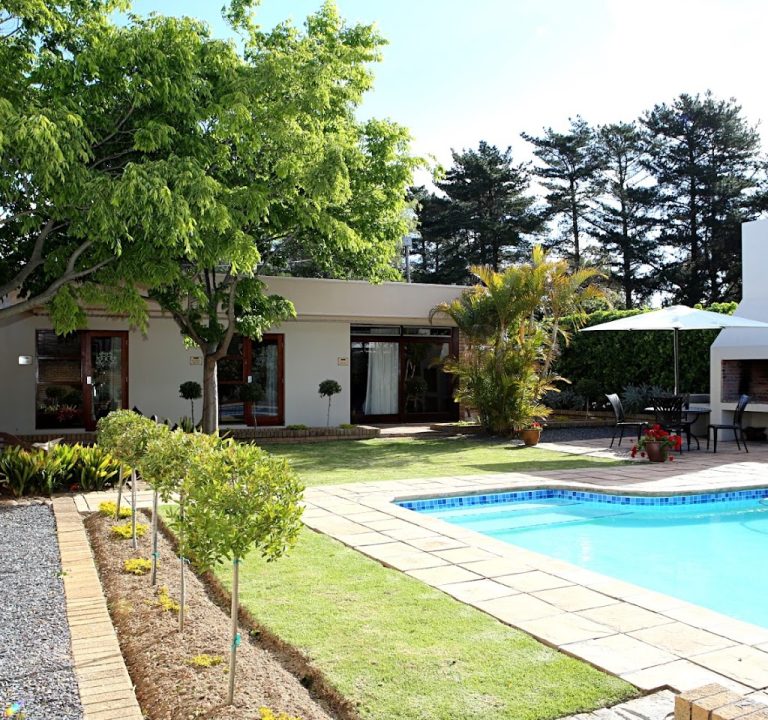
When selecting accommodation, look for features that will make your stay comfortable and convenient. Typical useful amenities include en-suite bathrooms, reliable wifi, a well-equipped kitchenette or breakfast service, air conditioning or good heating, and secure parking. A friendly host or on-site reception can be invaluable for local tips and arranging tours or transport. If you intend to explore beyond the city, a property with easy access to main roads or public transport will save time. For leisure, some stays offer a pool, outdoor seating, or a courtyard—handy for warm evenings after a day of sightseeing.
Transport in Cape Town is well developed but variable by area. The MyCiTi bus network serves major routes within the City Centre and along the Atlantic Seaboard. Uber and other ride-hailing apps are widely used and convenient for evening outings or trips to the V&A Waterfront, Camps Bay, or Cape Point with a driver who understands the area. If you plan to visit the Cape Peninsula, a car gives the most flexibility for stops at viewpoints, beaches, and wildlife areas. For inter-city travel or scenic day trips, some lodgings provide shuttle services or can arrange guided tours. When staying in busy hubs, choose accommodation with good road access and clear directions for drop-off points near popular sights.
The timing of your visit can shape what you can do and how you allocate your budget. Peak tourist months run from December to February, when beaches are busy and daylight is plentiful, but crowds can be larger and prices higher. Shoulder seasons in spring (September to November) and autumn (March to May) often offer mild weather, calmer streets, and better value. Winter (June to August) is cooler and wetter, yet many indoor attractions and fine-dining establishments remain appealing, and you may find quieter rooms and good deals.
Top natural and cultural attractions to plan around include the iconic flat-topped mountain itself, a ferry or cable-car ascent if available, and the surrounding nature reserves. The historic harbour and waterfront district provide a mix of shops, dining options, and viewpoints, while botanical gardens and coastal edges offer serene walks and photo opportunities. Nearby coastal villages and coastal drives showcase Cape Town’s maritime heritage and rugged beauty. For food lovers, Cape Town’s dining scene ranges from casual bistros to fine-dining restaurants and street food markets, often with a strong emphasis on fresh seafood and locally sourced produce. While specific restaurant names and prices can change, the city regularly features establishments that celebrate Cape flavours, modern cooking, and wine pairings from nearby regions.
Practical tips for a smoother stay
- Book lodging with flexible cancellation policies where possible, especially if travel plans may shift.
- Check access to public transport or parking before booking, and ask about security features for cars and bicycles.
- Pack layers for variable coastal weather; evenings can be cooler near the sea.
- Plan at least one day for a scenic drive along the Atlantic Seaboard and a separate day for a Table Mountain excursion, even if you organise a guided tour instead of DIY hiking.
- Respect local etiquette and neighbourhood norms, particularly in historic districts with narrow streets and traditional homes.
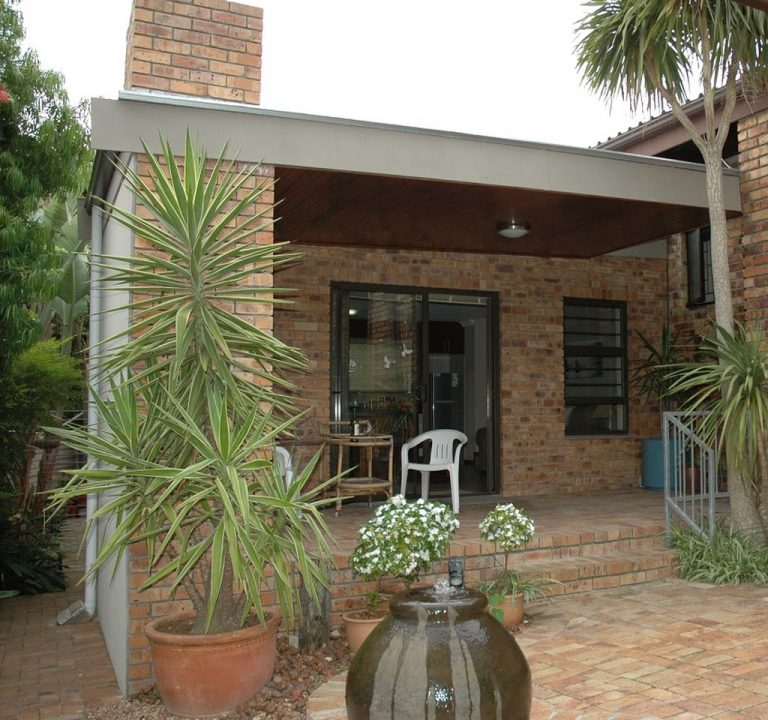
As a reference point, Culemborg Cottage is listed among lodging options in the area. It can provide a sense of how a traditional, characterful stay can complement modern travel plans, though the exact offerings and amenities will vary by property and season. When browsing, use filters for location, price range, and essential comforts to curate a short list of stays that align with your itinerary and pace.
To make the most of your Cape Town visit, pair comfortable accommodation with strategic planning: pick a couple of core days in one neighbourhood for relaxation and easy dining, then allocate day trips to the sights that require a bit more time or travel. With careful planning, you’ll enjoy both the dramatic landscapes and a welcoming, vibrant urban heart that Cape Town uniquely offers. For more ideas and links to current accommodation options, explore reliable travel guides and the official tourism sites when you’re ready to book.