Accommodation and Things to Do in East London, Eastern Cape, South Africa
East London in the Eastern Cape offers a friendly mix of coastal scenery, river calles, and urban amenities, making it a practical base for travellers exploring the region. Whether you prefer a self-catering stay, a guesthouse with homely touches, or a boutique hotel close to the water, the city provides a range of options that suit different itineraries and budgets. For guests arriving at the area, a well-chosen base can simplify transport, dining, and day trips to the surrounding coast and hinterland.
Where to stay is often tied to what you want to do and how you like to get around. The city centre, known as the CBD, can be convenient for access to shops, transport hubs, and business services, while coastal neighbourhoods offer quick access to beaches and scenic river estuaries. Quieter residential areas can provide a more relaxed atmosphere, ideal for longer stays where you want to feel settled rather than checked in just for a night. If you are travelling with a vehicle, consider proximity to main routes and parking availability, as on-street parking and secure spaces vary by district.
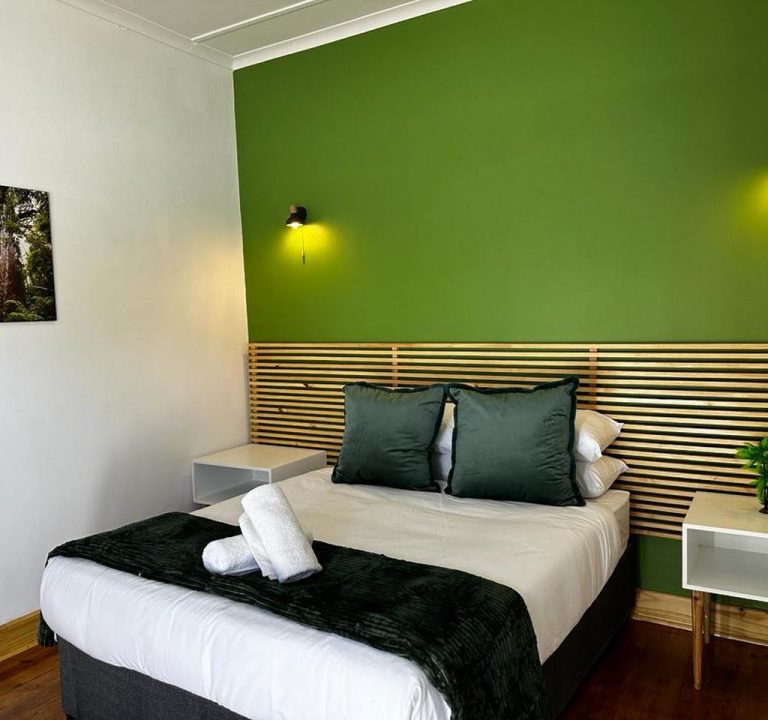
Self-catering properties—such as guesthouses offering kitchen facilities, apartment-style units, or holiday homes—are a popular choice for families and groups. They provide flexibility for meals, laundry, and downtime after day trips. When booking self-catering, look for clear information about what is provided in the kitchen, the quality and reliability of water and electricity supply, and the availability of convenient essentials like clean bed linen and towels. It’s also helpful to confirm whether a property has a dedicated parking space or secure access, and what the check-in process entails.
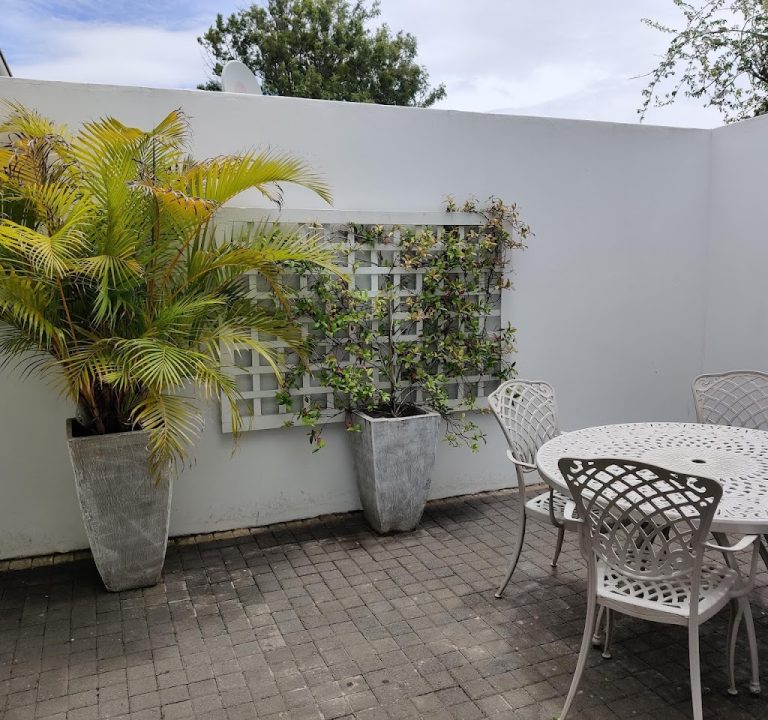
Typical amenities that travellers value include reliable wi‑fi, air conditioning or fans for the coastal climate, secure storage for luggage, and good bedside lighting for reading. A well-equipped kitchen or kitchenette, a comfortable living area, and a private outdoor space can make a big difference in a self-catering stay. For those seeking a bit of pampering, some guesthouses and lodges offer extras such as a pool, outdoor seating, and proximity to a balcony or terrace with sea or harbour views. When you review listings, note practical details like late check-in options, house rules, and cleaning frequencies, especially if you are staying for several nights.
Transport planning is key. East London has a regional airport, and road travel is common for exploring the coastline and inland attractions. If you plan to rely on public transport, check how easily you can reach beaches, markets, and dining districts from your chosen base. Some areas are more walkable than others, and a short taxi ride can be a convenient option if you do not want to drive. If you are hiring a car, ensure you understand parking arrangements at your accommodation and at any planned day trips.
Best time to visit East London depends on what you want from your trip. The summers tend to be warm and temperate with ocean breezes, while winters are mild with occasional rain. Beach days are most pleasant in the shoulder months when the city is less crowded, but the coast can still offer enjoyable outdoor experiences year-round. If you are drawn to outdoor activities such as surfing, river walks, or nature reserves, plan with local conditions in mind and be prepared with sun protection and water.
When planning a stay, set realistic day-trip goals. You might spend a day exploring the coast and its beaches, another day visiting the city’s waterfront and markets, and a third enjoying nature reserves or nearby towns along the coast. The region’s climate makes outdoor activities comfortable for much of the year, but packing layers, sun protection, and a light rain jacket is sensible for changeable conditions.
Dining and dining-out experiences in East London generally lean toward modern South African cuisine with international influences, fresh seafood, and hearty comfort dishes. In the coastal plain, eateries and cafés commonly offer relaxed, informal atmospheres that are well suited to travellers seeking a casual meal after a day by the sea or exploring local sights. When selecting restaurants, you can usually rely on practical factors such as location, hours, and whether the menus include options for children or dietary preferences. If you stay in a property with a kitchen, you can also enjoy homemade meals with fresh ingredients from local markets or shops.
Practical tips to help you plan a smooth stay:
- Book early during peak seasons to secure a place that matches your preferred district and amenities.
- Check what is included in the price, such as linen changes, cleaning schedules, and whether utilities (air conditioning, heating, water) are reliably provided.
- Read cancellation policies carefully, especially if your plans may change.
- Consider a stay that balances coastal access with easy access to town, depending on how much you value beach days versus urban conveniences.
- Prepare for mixed weather by packing light layers, sun protection, and a compact waterproof layer for sudden showers.
A well-chosen base in East London can open up a wealth of experiences. From self-catering retreats that let you set your own pace to guesthouses that offer friendly curations of local tips, and from relaxed eateries to scenic coastal routes, the city invites you to tailor a stay that fits your rhythm. For a stay described simply as comfortable, convenient, and unhurried, East London can be the ideal launchpad for discovering the wider Eastern Cape coastline and its riverine and inland landscapes.