Accommodation and Experiences in Johannesburg: Planning Your Stay in Gauteng
Johannesburg, the dynamic gateway to Gauteng, offers a wide range of accommodation to suit every traveller. From stylish guest houses and boutique hotels to modern apartments and family-friendly lodges, the city presents a lively mix of neighbourhoods and vibes. When planning a stay, it helps to think about what you want to gain from your visit—cultural immersion, easy access to business districts, or a relaxed base from which to explore the surrounding area. A well-chosen base can make a big difference to your overall experience.
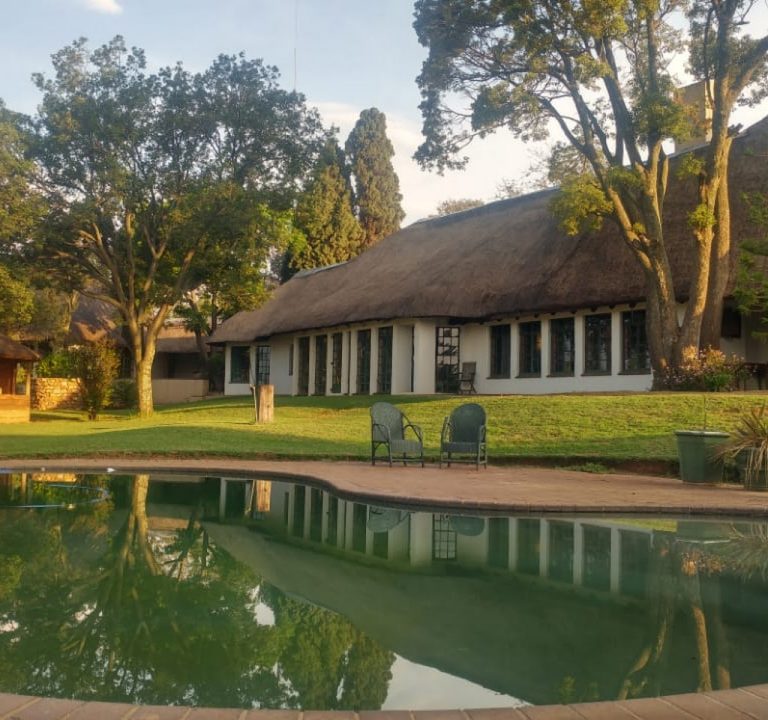
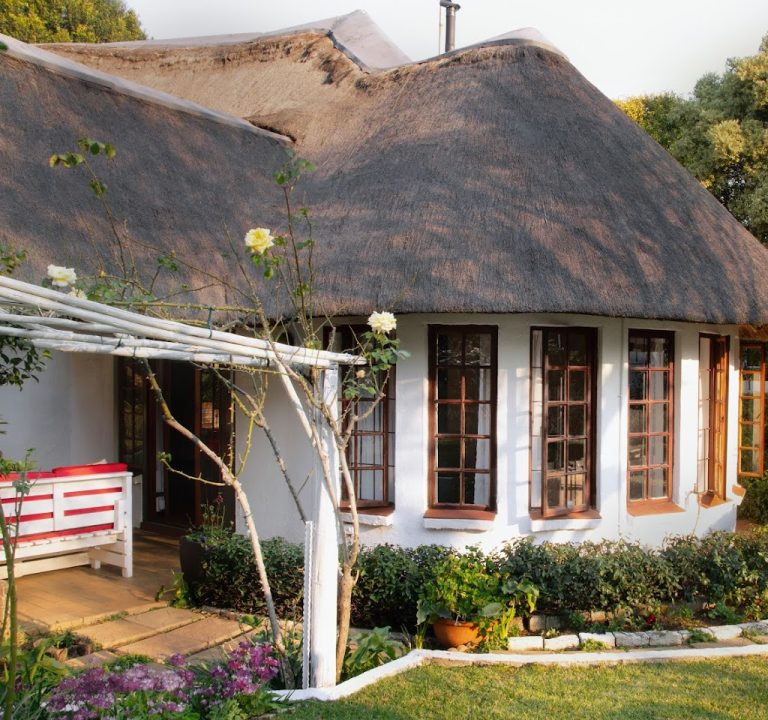
One standout option for those seeking a local flavour is a guest house such as Four Faces House, which provides a personalised, home-from-home atmosphere with the convenience of city proximity. Guest houses in Johannesburg often offer warm hospitality, compact, well-equipped rooms, and shared or private facilities that can feel more personal than larger hotels. When researching, look for hosts who offer practical tips on transport, safety, and nearby dining—these insights can save time and add a human touch to your stay.
Areas to consider depend largely on what you want to see and how you like to move around. The northern suburbs near business districts are convenient for work trips and quick access to highways. The central and northern inner-city areas offer a blend of heritage, markets, street art, and modern dining, while the northern and eastern corridors house shopping centres, leafy streets, and hotel clusters. For a more bohemian or creative scene, consider areas known for galleries, cafés, and live music. When choosing a base, weigh proximity to attractions you plan to visit, expect travel times during peak periods, and the availability of reliable local transport or rideshare options.
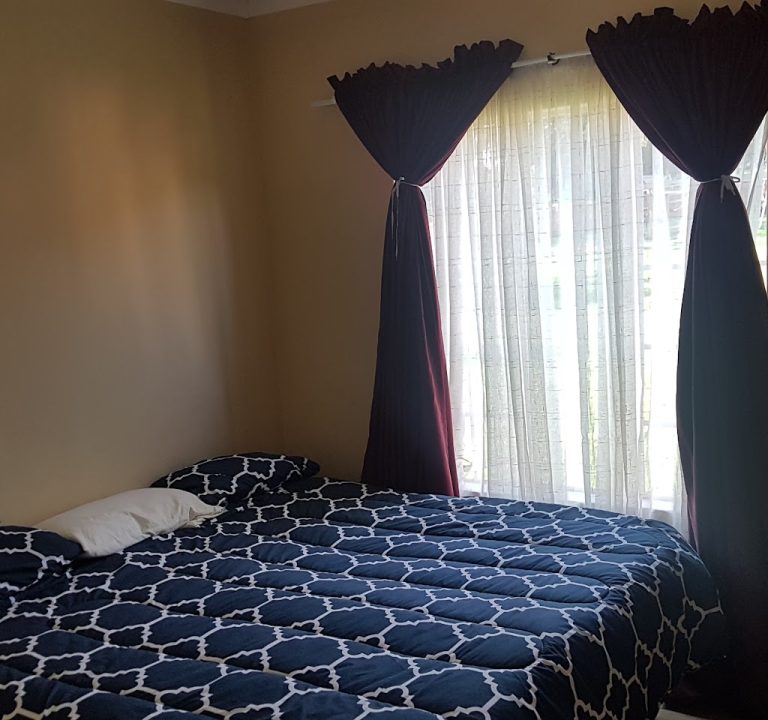
Typical amenities to look for include a comfortable bed, good natural light, a well-equipped kitchenette or access to a shared kitchen, reliable Wi‑Fi, private or en suite bathrooms, secure parking if you’re driving, and clear guidance on safety and neighbourhood norms. Some properties provide breakfast or have a communal lounge and kitchen, which can be handy for travellers on longer stays. If you’re visiting for business or meetings, enquire about desk space, printing facilities, and flexible check-in options. For families, check on cot availability, child-safe spaces, and proximity to child-friendly attractions or parks.
Transport is a practical consideration in Johannesburg. The city is spread out, and traffic can be heavy at peak times. Look for accommodation with easy access to major routes and public transport options such as buses or authorised ride-hailing services. Some neighbourhoods have developing pedestrian-friendly zones and vibrant street life, which can be pleasant to explore on foot. If you plan to hire a car, confirm parking arrangements and whether there are any restrictions in the area. For longer stays, a location near a major junction or a metro or rail node can reduce travel time between sights and restaurants.
Best time to visit Johannesburg generally mirrors favourable weather patterns: mild springs, warm summers with the possibility of thunderstorms, and pleasant autumns. Winter can be drier and cooler, which some travellers prefer for city sightseeing. If your itinerary mixes outdoor experiences and urban exploration, consider a shoulder season to enjoy lower rates and fewer crowds in popular venues. Always check local events calendars, as major exhibitions, markets, or sports fixtures can influence room availability and traffic patterns.
When planning your itinerary, blend self-guided exploration with curated experiences. Johannesburg’s attractions cover history, culture, and natural beauty. You can expect a mix of museums, galleries, and heritage sites that illuminate South Africa’s complex past and dynamic present. In addition to must-see landmarks, consider strolls through vibrant districts, markets offering crafts and street food, and scenic viewpoints around the city. For dining, the city offers a broad spectrum from contemporary eateries to traditional or fusion options. Rather than focusing on individual venues, look for areas with a lively dining scene and walkable streets in the evenings, which can offer a safe and enjoyable way to sample local flavours.
Practical tips to help you plan a smooth stay:
- Book in advance for peak travel periods and major events, and request a statement of inclusions so you know whether breakfast, parking, or late check-in are available.
- Communicate your anticipated arrival time and any special accessibility needs clearly to your host or hotel beforehand.
- Pack adaptable clothing and comfortable footwear for varied activity levels, from city walks to museum visits.
- Carry a small charger bank and keep a digital map of transit options handy for quick trips around the city.
- Consider a balanced mix of neighbourhood stays to experience both busy urban life and quieter residential areas.
- Respect local safety guidelines and stay aware of your surroundings, especially when exploring after dark in unfamiliar areas.
To learn more about Johannesburg and South Africa’s Gauteng region, visit official tourism resources for an overview of attractions, seasonal events, and practical travel information. While individual experiences will vary, a well-planned stay—anchored by a comfortable base such as a guest house in a well-chosen neighbourhood—can unlock a rich, memorable visit to Johannesburg. For practical planning, more ideas and official guidance can be found at reputable tourism sites online.