Johannesburg: Accommodation, Attractions and How to Plan a Stay
Johannesburg offers a diverse tapestry of places to stay, from intimate guesthouses and boutique hotels to larger lodges with contemporary flair. When planning your visit, consider the character of each neighbourhood to better align your stay with your interests, whether you’re here to explore culture, history, shopping, or vibrant city life.
Choosing where to stay in Johannesburg often comes down to three considerations: convenience, atmosphere and budget. Central districts such as the inner city and the northern suburbs provide easy access to business hubs, museums and eateries, while neighbourhoods like Sandton, Rosebank and Melrose Arch offer polished upmarket experiences with a focus on dining and shopping. For a more creative, family-friendly or down-to-earth vibe, areas such as Braamfontein, Maboneng and Newtown can feel energising and close to cultural venues. If you’re after a leafy suburban feel with easy access to parks and views, places a little further afield in the north and northwest can be ideal. Safety, parking and transport links are practical considerations to check before booking.
What to look for when booking
- Type and tone: decide whether you prefer a traditional hotel, a boutique guesthouse, or a self-contained apartment. A guesthouse often offers a personal touch and helpful local knowledge, while a hotel may provide uniform service and facilities.
- Amenities: look for reliable WiFi, secure parking or easy access to public transport, breakfast options, and on-site facilities such as a comfortable lounge, a pool, or a small gym.
- Transport links: proximity to a Gautrain station or major bus routes can ease travel around the city. If you plan to self-drive, confirm parking arrangements. If not, check whether the property can arrange safe transfers or is near ride-hailing options.
- Safety and security: read recent guest reviews for information on security, lighting, access control and friendly neighbourhood reputations.
- Flexibility: consider cancellation policies and whether the listing accepts partial or longer-term stays if your plans change.
Typical neighbourhoods and what they offer
- The City Centre and central districts: good for cultural museums, markets and the heart of the city. These areas are best for urban explorers who enjoy walking, street art and a mix of eateries.
- Sandton and Rosebank: known for upscale hotels, malls and dining choices; a practical base for business travellers and shoppers.
- Braamfontein and Newtown: energetic, student-friendly pockets with a strong arts scene, galleries and casual eateries.
- Melville, Greenside and Parktown North: more residential, offering a calmer stay with access to parks and cafes.
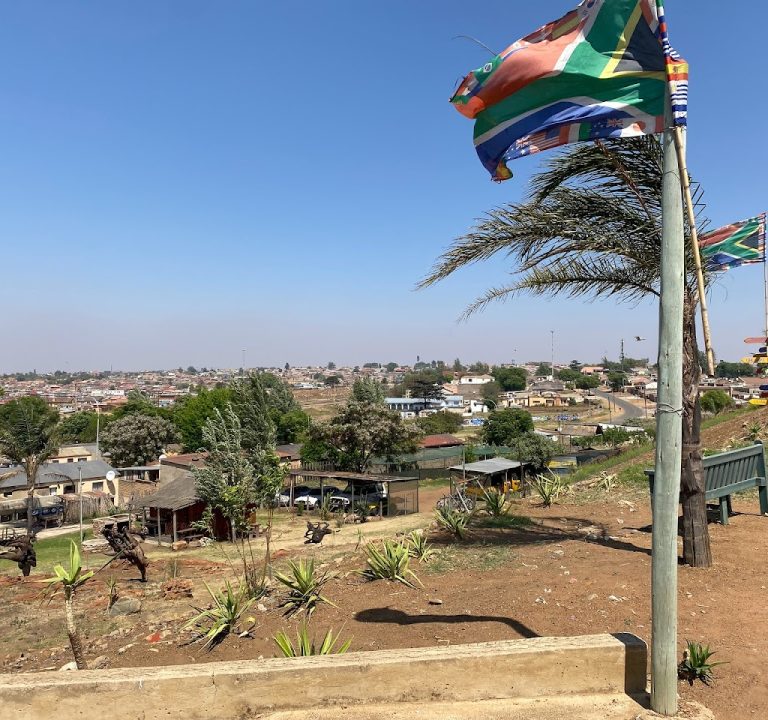
- Soweto (outside the immediate centre): historic townships offering guided tours, storytelling and an authentic South African experience, with a focus on community-driven experiences.
What to expect in terms of typical amenities
- Comfortable bedding, desks or workspaces for business travellers, and reliable WiFi throughout the property.
- Breakfast options, with some places offering lighter continental choices and others featuring more substantial, traditional breakfasts.
- Private or communal spaces, such as a lounge, courtyard or small dining area.
- Cleanliness, sufficient lighting, and good ventilation as standard expectations.
- Options for self-catering or kitchen access in apartment-style accommodations.
Transport and getting around
Johannesburg is a sprawling city, so plan transport according to your itinerary. The Gautrans and reputable taxi services can help you move between precincts efficiently. If you intend to visit multiple sights across a day, a centrally located base can minimise travel time. Many visitors enjoy mixing days of self-guided exploration with guided tours to gain insight into the city’s history and contemporary culture.
Best time to visit
- Dry season months, typically from late autumn to early spring, often offer clearer weather for outdoor activities and photography.
- Summer brings warmth and afternoon thunderstorms; it can be lively but plan for occasional showers.
- Winter is mild by European standards, with crisp mornings and comfortable days, making it a good time for city walks and museum visits.
- Events, markets and seasonal festivals can influence crowds, so booking in advance during peak periods is wise.
Practical planning tips
- Read recent guest reviews to gauge current conditions and the local vibe.
- Confirm what is included with your stay (for example, breakfast, parking, daily housekeeping) and whether there are any extra charges.
- Check access times and policies for guest facilities if you need late check-in or flexibility.
- Consider travel time to your planned activities; Johannesburg traffic can be congested, especially during peak hours.
- If you have specific dietary needs, verify whether the morning meal options cater for them or whether there are nearby eateries you can rely on.
Experience-wide options and experiences
While it’s best to rely on local guidance for precise recommendations, Johannesburg offers a broad spectrum of experiences. Across a mix of cultural venues, galleries and markets, you can expect opportunities to learn about South Africa’s past and present, enjoy regional cuisine, and participate in shopping for crafts and fashion. Many visitor-focused areas also feature street-life elements, green spaces, and cafés where local and international flavours mingle.
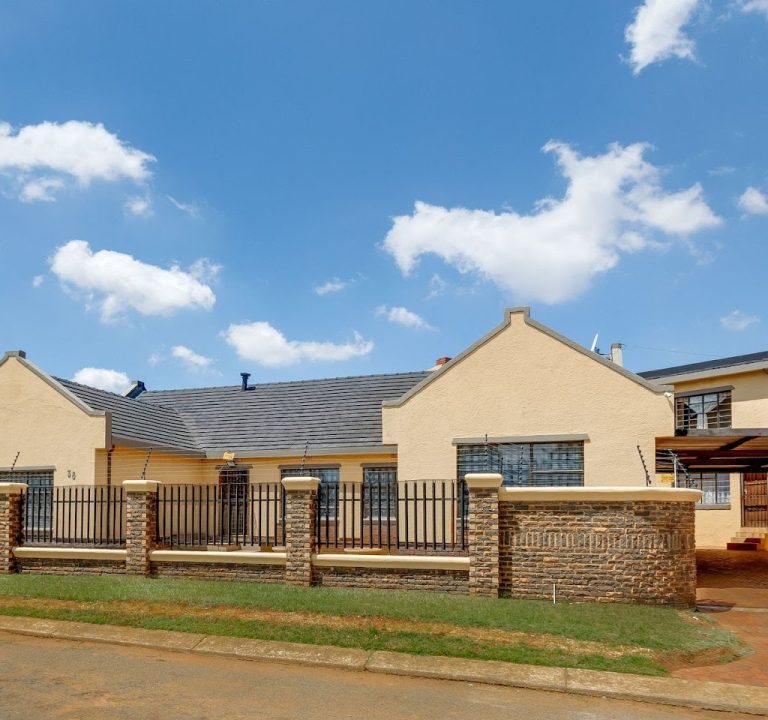
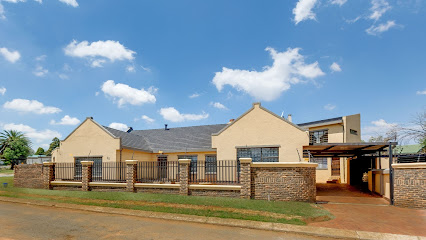
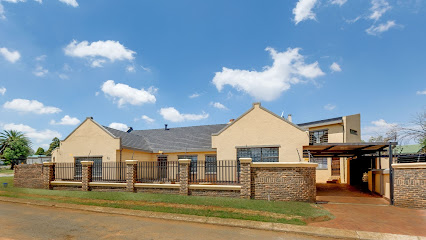
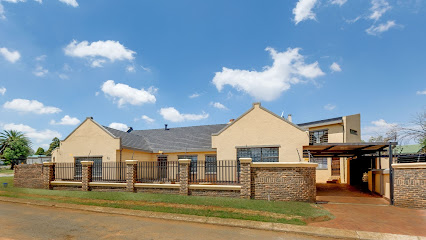
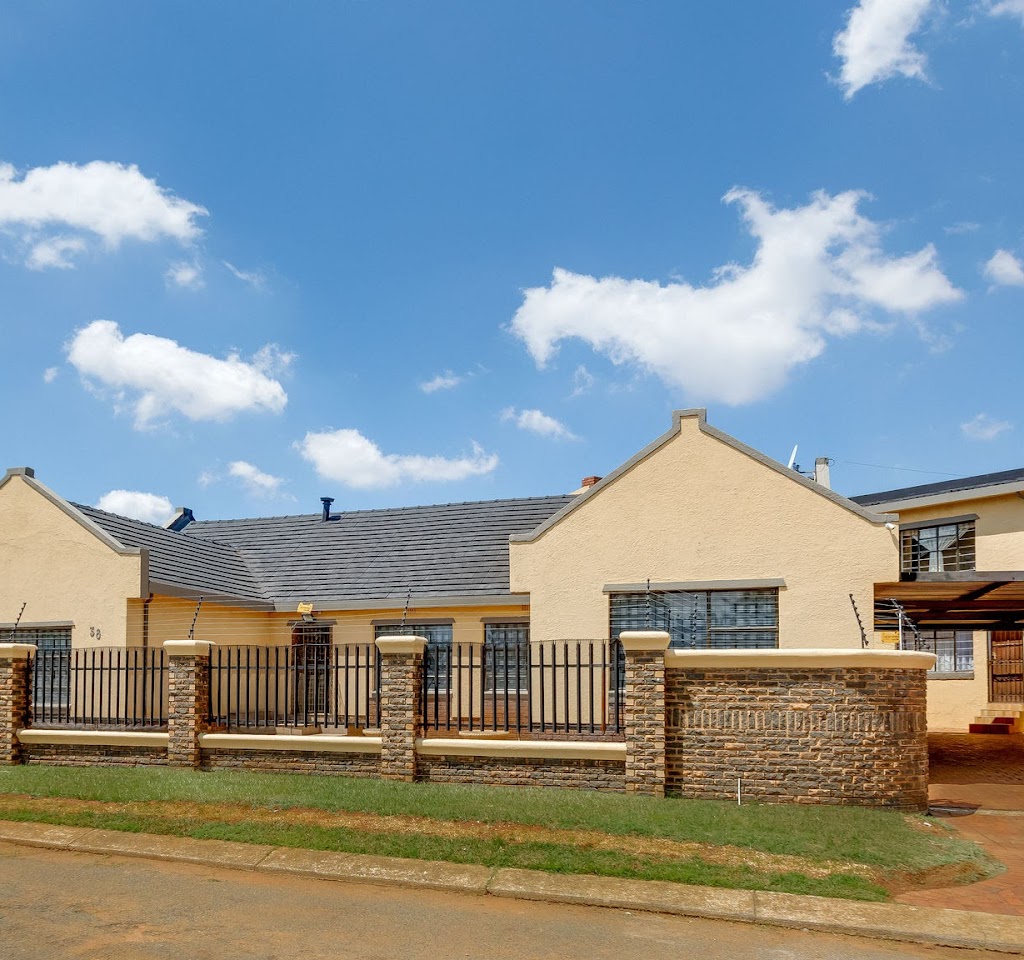
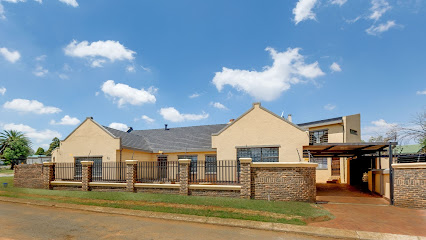
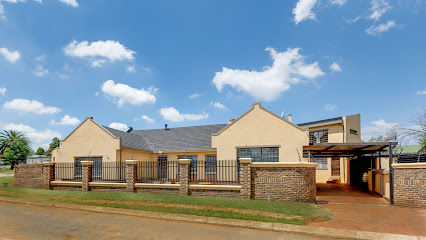
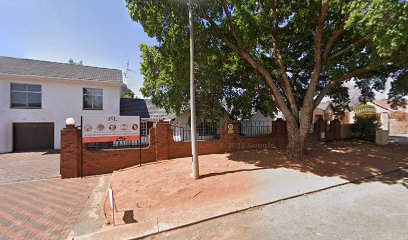
Fleurhof Guest House, as a local accommodation choice in the region, exemplifies how a stay can blend comfort with a sense of community. If you are researching options, explore listings for similar guesthouses or small hotels that emphasise personal service, value and location that aligns with your planned activities. For more information, you can visit official accommodation pages or local tourism sites to compare neighbourhoods, amenities and guest reviews before booking.
In short, Johannesburg rewards well-planned stays with a choice of neighbourhoods that suit different styles and budgets. With careful attention to location, amenities and transport, you can tailor a visit to match your interests, whether you are here for museums, markets, dining or day trips to nearby landscapes.