Johannesburg: Accommodation, Attractions and Planning Your Stay
Johannesburg, Gauteng’s bustling heart, offers a wide range of accommodation from intimate B&Bs to stylish boutique hotels and comfortable guesthouses. When planning a stay, think about your priorities: a central location close to museums and dining, a leafy neighbourhood with cafés and easy transit, or a secure retreat after long days of exploring. The right base can shape how you experience the city, so it’s worth weighing options across districts and amenities before booking.
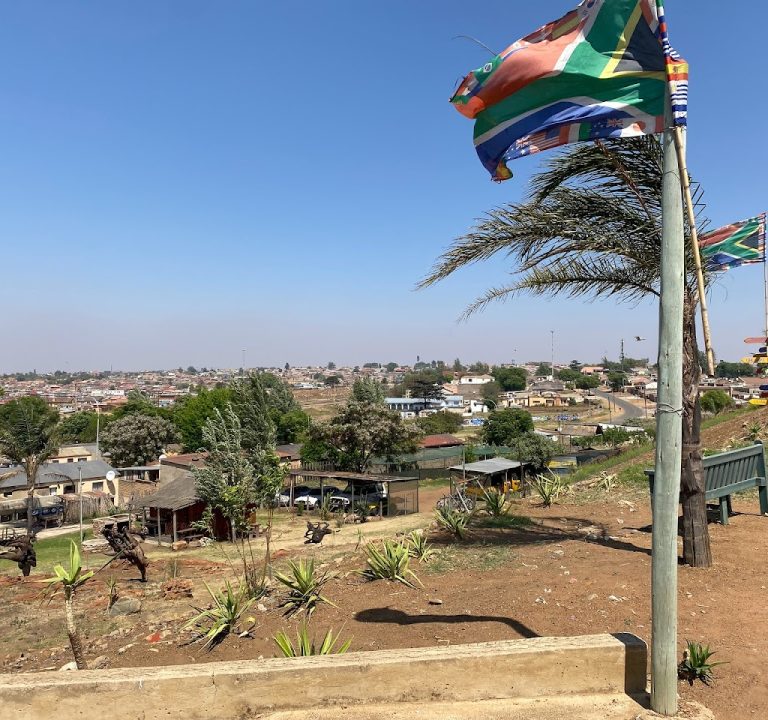
In central Johannesburg, you’ll find places that combine character with convenience. Stylish suites and homely guesthouses often situate near vibrant districts that blend culture, history and modern life. If you prefer a family-friendly environment or greater hotel-standard services, you may opt for more established establishments in business hubs such as Sandton or Rosebank. For a more artsy, walkable vibe with cafés and galleries, areas like Braamfontein and Maboneng offer an energetic atmosphere while still providing comfortable accommodation options. In Soweto and surrounding townships, guesthouses and small hotels can deliver insightful cultural experiences alongside warm hospitality.
Areas to consider when choosing where to stay:
- Central business and museum districts for proximity to key sights
- Rosebank and Sandton for shopping, green spaces and easy Gautrain access
- Braamfontein and Maboneng for nightlife, dining and creative culture
- Soweto for heritage routes and more economical stays
- Family-friendly pockets with secure parking and front-desk service
What to look for when booking a stay in Johannesburg varies with the day-to-day plan. Practical comforts matter: reliable Wi‑Fi, air conditioning or heating, and secure access. A included breakfast can simplify mornings, especially if you’ll be moving between sites early. Check whether the guesthouse or hotel offers on-site parking or easy access to public transport, as Johannesburg’s traffic can be unpredictable. If you’re planning day trips, a property with helpful staff who can arrange airport transfers or provide local tips is invaluable. Safety features—well-lit entrances, 24-hour reception, and on-site security—offer peace of mind in the city’s more urban areas.
Typical amenities to expect include comfortable rooms with private or ensuite bathrooms, clean linen and daily or regular housekeeping, a cosy common area, and sometimes a small kitchen or pantry for guests. Some properties provide gardens or terraces, which can be pleasant for morning coffee or evening chats. If you’re travelling with children or require accessibility features, filter options to show family-friendly or accessible rooms. For longer stays, look for suites with living areas or kitchens so you can self-cater occasionally.
Transport in Johannesburg is diverse. The city is well connected by the Gautrain, which links OR Tambo and Lanseria airports to northern suburbs and suburbs near Sandton and Rosebank. Within the city, Uber and other ride-hailing services are widely used, and some guesthouses offer shuttle options to major hubs. If you plan to drive, ensure secure parking is available. The city’s layout makes some neighbourhoods walkable, but traffic and street design can be challenging during peak hours, so plan routes ahead of time or rely on familiar transport options.
The best time to visit Johannesburg depends on your priorities. The dry, cooler winter months (roughly May to September) are comfortable for exploring museums and outdoor markets without extreme heat. Summer (November to February) brings brighter days with the possibility of afternoon thunderstorms; this is a lively time to experience street life and markets, but you may want to pack light rain gear. Shoulder seasons in spring and autumn often offer pleasant weather for walking tours and city parks, with fewer crowds and reasonable rates for accommodation.
Practical planning tips: book early if you’re visiting during school holidays or major events, and read recent guest reviews to gauge current neighbourhood character and service quality. Confirm whether breakfast is served and if it suits your dietary needs. If you’re curious about the city’s story, consider combining your stay with a guided neighbourhood walk or a day trip to nearby townships or historical sites, organised by reputable operators or your host. Always verify what’s included in the rate, such as housekeeping frequency, fresh towels, and security measures, to avoid surprises at check-in.
When it comes to dining and experiences, Johannesburg offers a spectrum from casual eateries serving parent-friendly, local flavours to more contemporary restaurants with seasonal menus. Expect opportunities to taste traditional braai-style meals, farm-to-table dishes, and international cuisines within convenient distances of most central accommodation. For cultural enrichment, plan at least one visit to a major museum or heritage site, and leave room to explore local markets, street food stalls, and public art spaces—these often reflect the city’s dynamic identity without the need for specialist bookings.
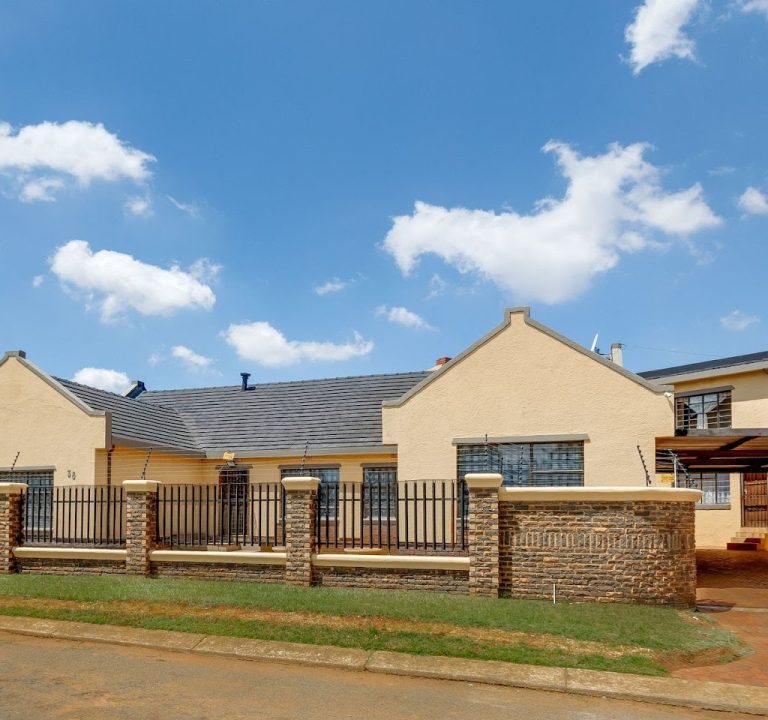
For a sample stay, consider a well located bed and breakfast that blends a personal touch with practical comforts, such as a private room with breakfast, safe parking, and easy access to transit hubs. A property like this can offer a homey base from which to discover Johannesburg’s mix of history, shopping and modern culture, while providing straightforward planning and a restful retreat after busy days of exploring.