Johannesburg: Accommodation, Attractions and Planning Your Stay
Johannesburg, a dynamic hub of culture, architecture and city life in Gauteng, offers a wide range of stay options to suit different travellers. From intimate guest houses nestled in leafy neighbourhoods to modern hotels with skyline views, planning a stay in Jo’burg is as much about choosing the right area as it is about selecting the right room. The city is well served by public transport routes and a growing network of rideshare options, making it easy to base yourself in a convenient part of town and explore at your own pace.
When deciding where to stay, consider the following areas. The northern suburbs, including a number of guest houses and boutique hotels, tend to be peaceful and well connected to major highways, making day trips to wildlife reserves or nearby towns straightforward. The northern and central business district areas offer easy access to museums, galleries and historical sites, with a concentration of dining options and vibrant street life. Sandton, a respected business and shopping district, provides a polished base with excellent connectivity to the airport and to the city centre. For a more laid‑back atmosphere with river and parkland scenery, the northern reaches of the city and nearby parks provide greenery and quieter evenings. It is worth weighing proximity to attractions you plan to visit against the pace and safety of a neighbourhood after dark.
Booking considerations are straightforward but worth a moment of care. Look for flexible cancellation policies, clear house rules, and transparent pricing that includes taxes. If staying in a guest house or boutique hotel, read recent guest reviews to gauge consistency of service, breakfast quality and how well staff handle queries. For famil ies or groups, check whether rooms can be configured as twins or doubles, and whether there are social spaces or shared kitchens if you’re travelling on a budget. In Jo’burg, many hosts and property managers are keen to offer personalised tips on safe local dining and day trips, so a property with a responsive host can enhance your stay.
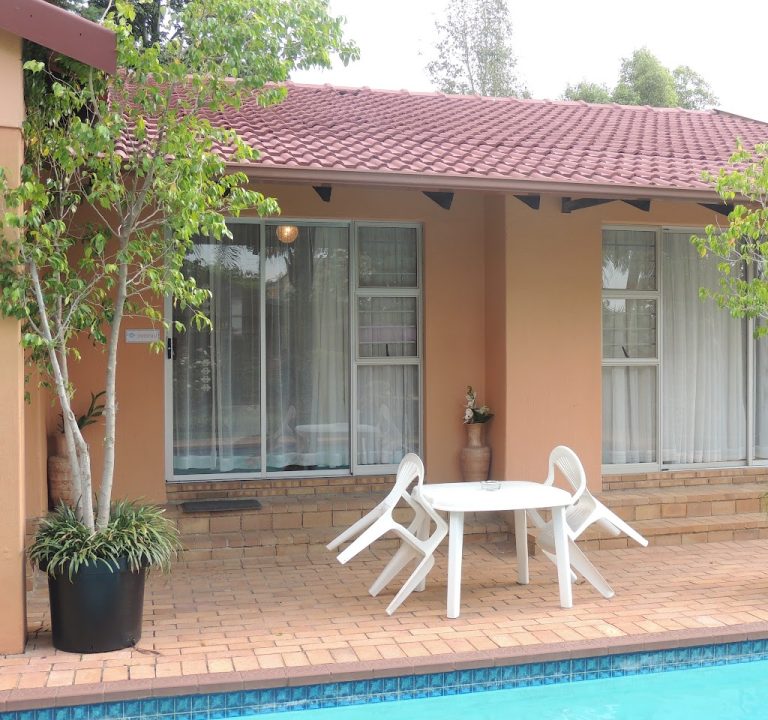
Amenities commonly seen in Johannesburg accommodation include reliable wi‑fi, secure parking, and on‑site dining where available. Breakfast is a frequent inclusion, often presented as a continental array or a full cooked option. Some properties offer swimming pools, garden spaces or quiet lounges, which can be welcome after a day of exploring the city. Practical extras may include laundry facilities, luggage storage, and easy access to restaurant and gallery districts. If you’re visiting in peak summer or shoulder seasons, check shade, air conditioning or fans, as indoor climate control can significantly affect comfort during hot days.
Transport and getting around are straightforward, though planning ahead helps. If you’re staying in a central or northern suburb, rideshare apps are a practical option for evening outings. A car can also be handy for day trips to the Cradle of Humankind, the Walter Sisulu National Botanical Garden, or venture into the more suburban corners of the greater Gauteng region. Public transport, including bus routes and train services, exists but may not always offer the convenience of more modern systems in some areas, so reading local advice or asking a host for the best travel options is wise. When planning a day’s itinerary, group attractions by location to minimise transit time and maximise time spent enjoying venues.
Best time to visit Johannesburg depends on what you seek. Spring (September to November) and autumn (March to May) offer mild weather with pleasant days ideal for outdoor exploring and photography. Winter (June to August) brings cooler days and can be sunny but brisk; evenings may require warmer layers. Rain is most common in the late summer months, so packing a light waterproof layer is sensible. Special events, cultural festivals and markets frequently populate the calendar, offering a sense of the city’s vibrant creative scene.
A balanced itinerary might include a mix of museums and galleries, parks, markets and a few standout dining experiences. The city’s collections span South African history, contemporary art and design, with volumes of contextual information that help visitors understand the country’s complex past and present. For dining, you’ll find cuisine ranging from modern bistro fare to traditional dishes reimagined with a contemporary twist. Rather than chasing specific names or prices, look for venues with good reviews, clear menus and a welcoming atmosphere, especially if you’re travelling with families or non‑native speakers. In many cases, booking a table in advance is prudent, particularly on weekends or at popular neighbourhood eateries.
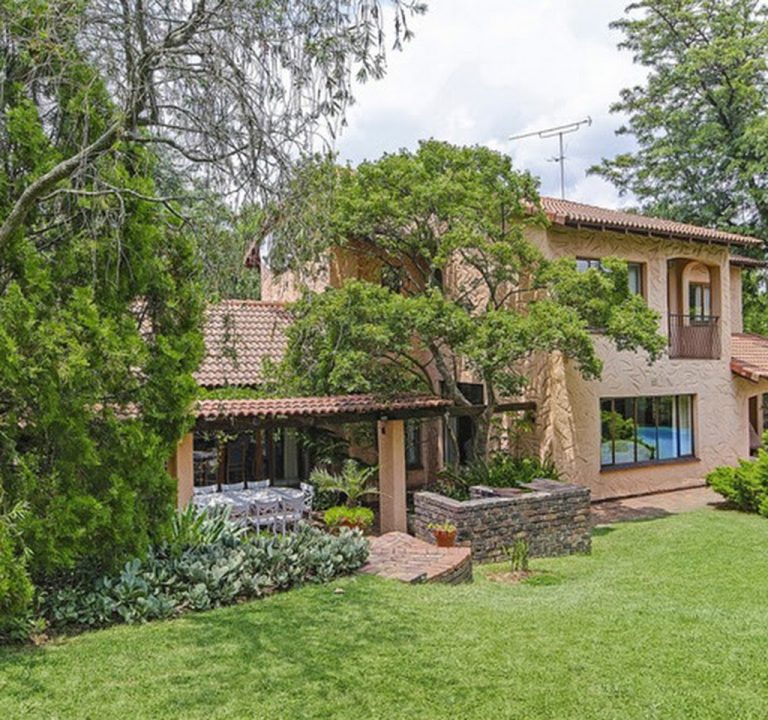
If you’re seeking a charming, classic stay in a convenient area, consider a guest house that balances comfort with local character. A well‑placed option in a leafy suburb can feel like a home away from home, offering intimate service, breakfast and a sense of privacy. For a quintessential example in a convenient and well‑located setting, you might explore properties such as Ferndale on York, which presents a thoughtful guest house experience with attention to detail and guest comfort. Learn more at Ferndale on York.
Practical planning tips to conclude: book with enough lead time during peak travel periods, verify access arrangements for late arrivals, and confirm whether you’ll have access to recommended local transport options. Pack a small guidebook or offline maps, and keep emergency numbers and local embassy contacts handy. With thoughtful planning, Johannesburg can offer a rich blend of cultural discovery, relaxed stays and memorable dining experiences that together create a compelling South African city break.