Johannesburg: accommodation, attractions and planning your stay
Johannesburg, Gauteng, offers a diverse mix of accommodation options that suit a wide range of travellers. From stylish guest houses and boutique hotels to comfortable B&Bs and modern lodges, the city provides choices that can feel intimate and personalised. When planning a stay, consider not only price and style but also location, access to transport, and the kind of neighbourhood you’d enjoy waking up in each day.
Areas to consider include the northern suburbs, where business districts and shopping hubs sit alongside leafy streets and secure, well-appointed properties. The central and northern belt is often convenient for both business and culture, while districts closer to the city centre and inner-city neighbourhoods offer a more energetic atmosphere with easy access to museums, markets and street art. If you prefer a quieter pace with easy access to nature and parks, look for guest houses or boutique hotels near green spaces or suburban suburbs with good transport links into the city core.
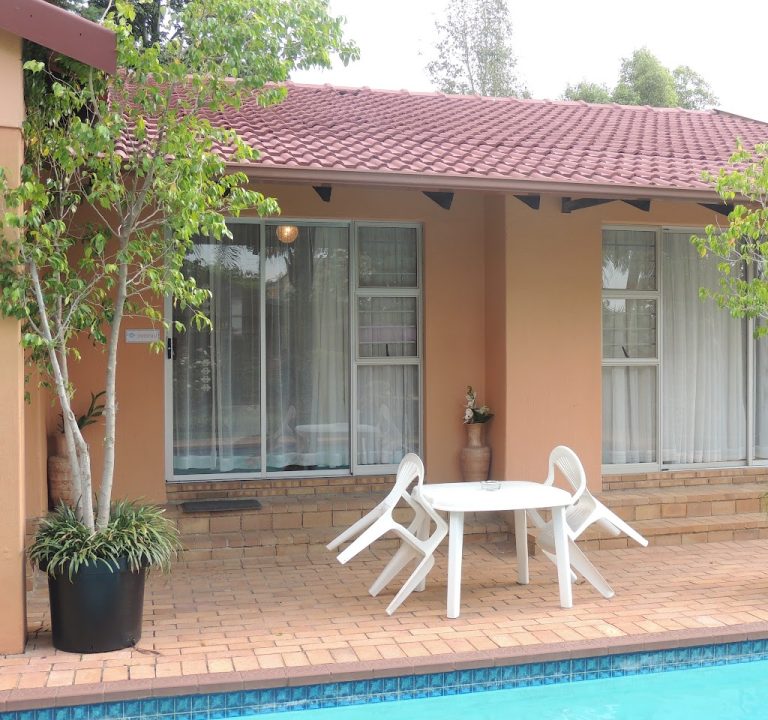
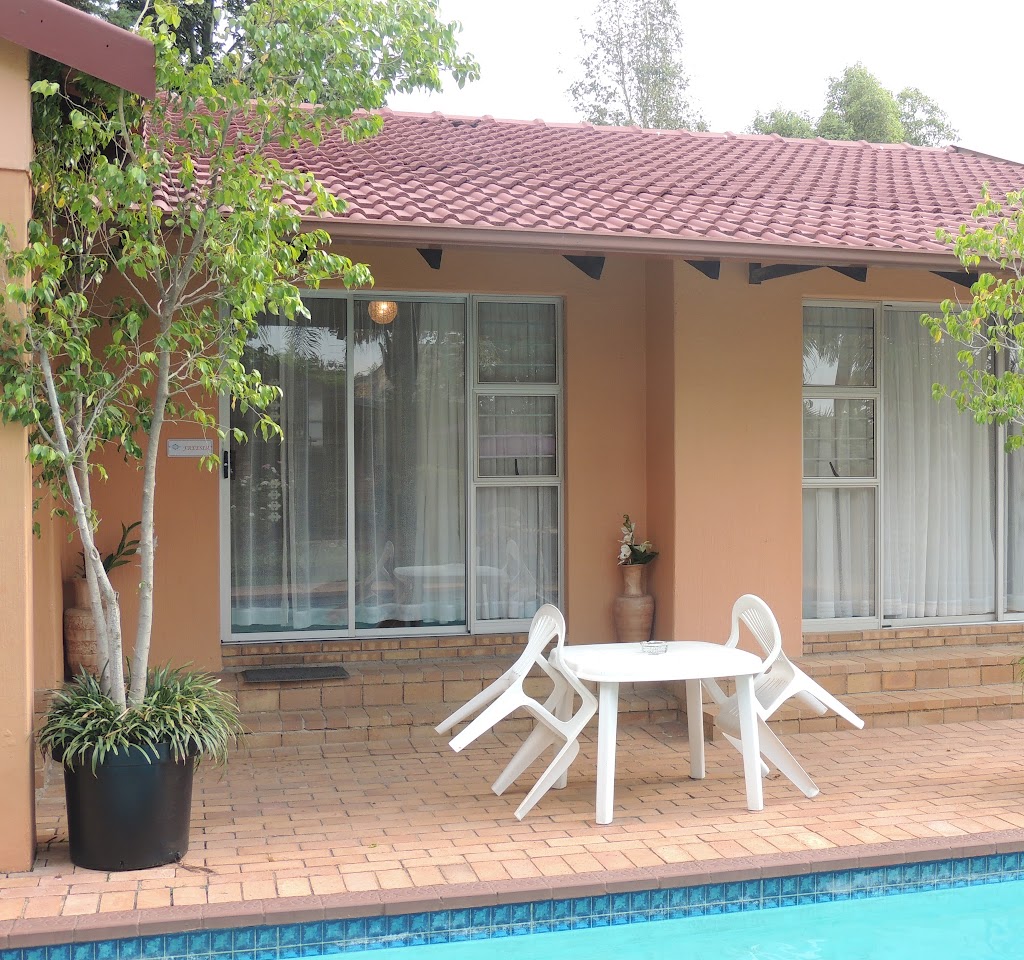
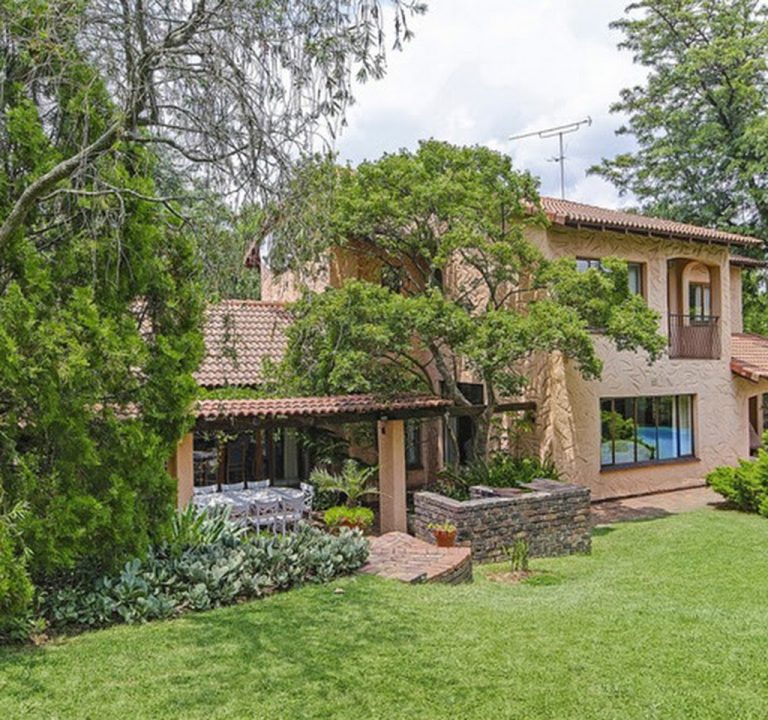
For a stay at a guest house such as Dafem Guest House, guests can expect a welcoming, home-from-home feel with an emphasis on personal service and attention to detail. Many guest houses in Johannesburg prioritise warm hospitality, a breakfast option, and comfortable rooms with en-suite facilities. When booking, check what is included in your rate—some properties offer self-catering options, while others provide full board or continental breakfast, which can be a meaningful saving and convenience for longer stays.
Typical amenities to look for include reliable Wi-Fi, private or en-suite bathrooms, secure parking, and 24-hour reception or a staffed front desk. A well-run guest house may also provide a guest lounge, a communal kitchen or dining area, and thoughtful extras such as laundry services, room safes, and shuttle arrangements to and from key transport hubs. If you are travelling with family or a group, confirm whether rooms can be connected, or if suites offer separate living spaces. Accessibility features and flexibility with check-in times are worth confirming if you have specific needs.
Transport in Johannesburg is practical but can be complex, so proximity to reputable, well-lit routes and reliable mobility options is valuable. If you plan to rely on car hire, ensure the property offers secure parking or on-site parking. For those preferring to use public transport, look for accommodations close to major arterials, with easy access to car hire outlets, ride-hailing services, or taxi options. Some areas are more walkable than others, particularly in mixed-use districts with cafes, bars, markets and galleries nearby. Also note that peak traffic in Johannesburg can alter travel times, so it’s prudent to allow extra time between activities and your chosen accommodation check-in times.
The best time to visit Johannesburg depends on your plans. The city experiences a subtropical highland climate with warm summers and dry springs and autumns. If you wish to combine outdoor exploring with city sightseeing, spring (September to November) and autumn (March to May) offer pleasant weather, comfortable temperatures and lower rainfall. Summer visits benefit from green landscapes and lively markets, but be prepared for afternoon showers. Winter can be cool, with more dramatic skies and shorter days, yet it can be a quiet time to find good-value stays and fewer crowds at major attractions.
When it comes to things to do, Johannesburg is a gateway to South Africa’s rich history, art and culture. Core attractions are generally spread across the city, from museums and galleries to vibrant neighbourhoods where street art, markets and cafés create an engaging atmosphere. While it is best not to rely on a single plan, many travellers enjoy a mix of indoor cultural experiences and outdoor exploration, such as historical tours, local markets, and parks. Consider days that combine a museum visit or gallery walk with a stroll through a trendy district, followed by a relaxed meal at a family-friendly restaurant or contemporary bistro. For a broader sense of the region, plan a half-day or full-day trip to nearby townships, parks or nature reserves with a reputable guide or organised tour—these experiences can offer meaningful insights into the city’s history and daily life, while emphasising safety and responsible tourism practices.
Food and dining in Johannesburg span diverse cuisines and price points. In general terms, you’ll find vibrant casual eateries, modern brasseries and traditional South African fare in many areas. When choosing where to eat, look for venues with a lively, well-lit atmosphere, clear hygiene standards, and menus that reflect the neighbourhood’s character. If you are staying in a guest house or boutique hotel, ask the front desk or hosts for recommendations that suit your tastes, budget, and desired pace of dining. Booking ahead is wise for popular spots, especially in the evenings or weekends.
Practical tips for a smooth stay include: confirm your cancellation policy and the inclusions in your rate; check whether breakfast is provided or if there are nearby cafés; and verify if transport or shuttle services are available for your airport or railway transfers. Pack a light layer for the variable autumn and spring temperatures, sturdy walking shoes for urban exploring, and a power adaptor suitable for South Africa’s plug types. If you plan to explore outside the city, arrange trusted guided tours or transfers rather than travelling independently in unfamiliar areas after dark. Like many major cities, Johannesburg rewards thoughtful planning with a comfortable, enjoyable stay and a broad range of experiences that can enrich your visit, from leisurely mornings in a quiet guest house to dynamic evenings in bustling districts.
- Areas to consider: northern suburbs for comfort and security, central and inner-city for culture and cuisine, and suburban pockets with easy access to parks and road links.
- Booking considerations: rate inclusions, room configurations, parking, accessibility, and flexibility on check-in times.
- Amenities to prioritise: reliable Wi-Fi, en-suite bathrooms, secure parking, on-site reception, and public transport access.
- Transport planning: assess driving times, proximity to main routes, ride-hailing availability, and safety of walking routes at night.