Johannesburg: A Traveller’s Guide to Accommodation and Experiences
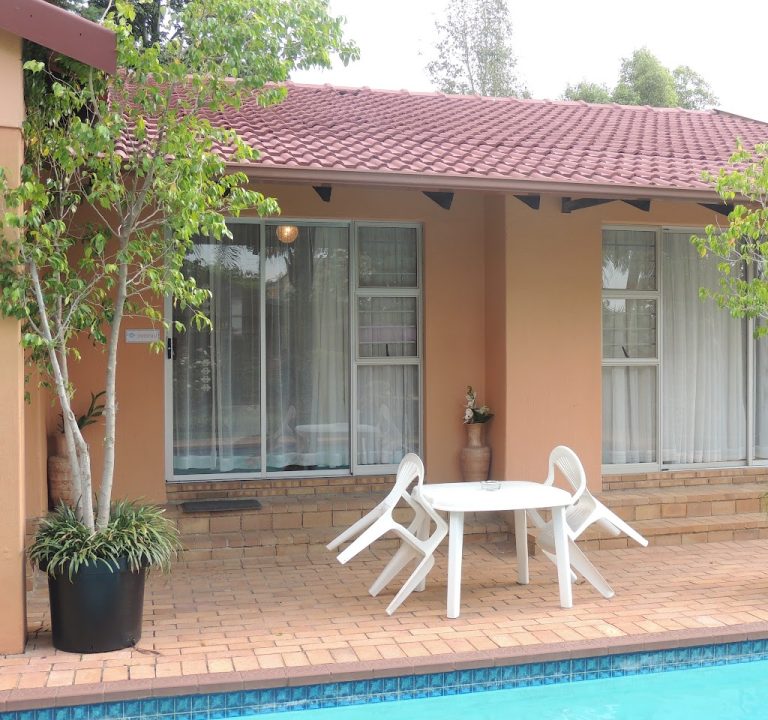
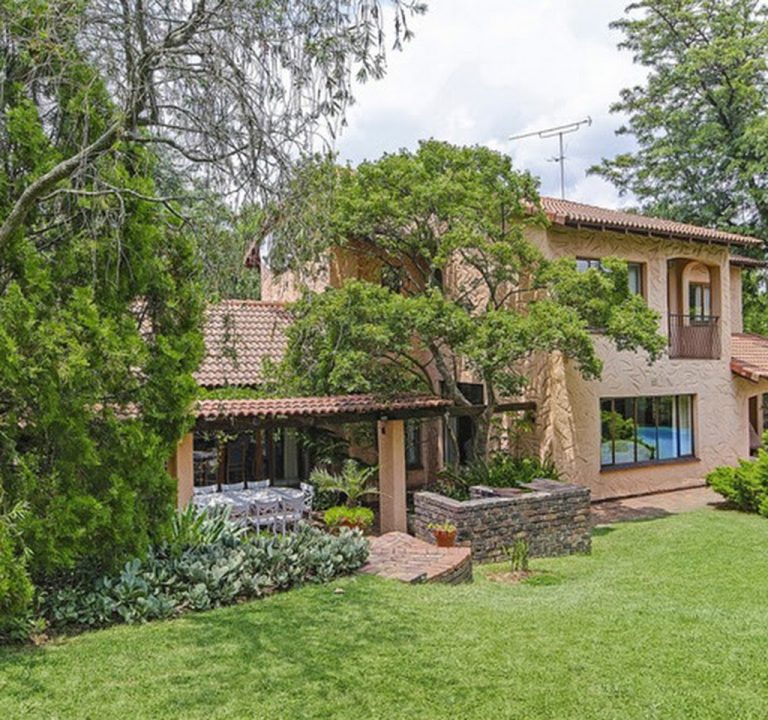
Johannesburg, often simply called Jo’burg or the City of Gold, offers a dynamic array of places to rest your head and plenty to see and do for all interests. When planning a stay in Gauteng’s vibrant gateway city, consider how you want to balance urban discovery with downtime. Central suburbs provide easy access to dining, culture and shopping, while extending your stay in quieter neighbourhoods can yield quieter mornings and a more intimate sense of local life. A stay at Bailiwick Guest Manor, a charming guest house in a convenient area, can serve as a comfortable base for exploring the city and its surrounds.
Areas to consider when booking:
- Sandton and centre-east corridors: Known for modern hotels, business amenities and polished dining options, with straightforward access to major routes and the Gautrain.
- Rosebank and Melrose: Excellent for travellers seeking a mix of boutique stays, nearby markets, and convenient public transport links.
- Johannesburg’s inner city (such as Braamfontein and Maboneng): A hub for arts, culture, street life and independent eateries; good for those who want a more tactile urban experience.
- Soweto fringe and neighbouring suburbs: Great for immersive heritage experiences and more budget-conscious stays, with opportunities to join guided tours or community-led activities.
- Nearby quieter neighbourhoods on the city’s periphery: Consider these if you prioritise restful evenings and easier access to parks or outdoor escapes.
What to look for when booking a property:
- Location relative to planned activities and transport links. A short drive or easy access to rail or rideshare services can save time and stress.
- Security and access arrangements. In Johannesburg, many guests value features such as secure parking, 24-hour reception, well-lit surroundings and clear entry procedures.
- Amenities that matter to you. Common preferences include reliable wi‑fi, self-catering facilities, on-site parking, a comfortable workspace, and laundry options.
- Guest reviews and policies. Look for consistency in cleanliness, responsiveness, and how the host handles special requirements or late arrivals.
- Flexibility of stay and value-added services. Some properties offer breakfast options, airport transfers (not always included in prices), and guidance on local itineraries.
Typical amenities you might find in Johannesburg properties range from self‑catering kitchens and secure parking to access-controlled entrances and on-site staff who can help with local tips. For a guest house such as Bailiwick Guest Manor, you can expect a more personalised, homely atmosphere than a large hotel, with a focus on comfort, quiet common areas, and a friendly approach to arranging tours or restaurant recommendations.
Transport and getting around:
Johannesburg operates a mix of private and public transport. The most convenient option for many travellers is rideshare services or private transfers arranged through the accommodation. If you plan to explore beyond the central corridor, a rental car can give you the freedom to visit museums, markets and parks at your own pace. The Gautrain rail network is a fast and efficient way to travel to the airport and to nearby towns, though not all neighbourhoods are directly served, so plan for a short local ride to your base. When selecting a property, consider proximity to a rail station or major bus routes to minimise daily travel time.
Best time to visit and planning considerations:
Johannesburg enjoys a temperate climate with a pronounced wet season in the summer. Spring (September to November) and autumn (March to May) offer pleasant temperatures for outdoor exploration and outdoor dining. Plan outdoor activities for early mornings or late afternoons to avoid peak heat. The city is lively year-round, but afternoon thunderstorms can interrupt outdoor plans in the wet months, so have indoor alternatives or flexible itineraries ready.
What to do and what to eat, in broad terms:
- Explore museums and cultural precincts that provide context about the city’s history, art, and social landscape. Guided tours can enrich visits to historic sites and public art installations.
- Visit markets, galleries and eateries that showcase local design, crafts and cuisine. Allow time for wandering and sampling a range of dishes, from casual cafés to more refined dining rooms.
- Take a stroll through enclaves that blend street life with cafés and live music venues. These areas often host pop‑ups, markets and performances on weekends.
- Consider day trips to nearby natural spaces or heritage sites to balance city exploration with outdoor time.
Practical tips for a comfortable, well-planned stay:
- Book with flexibility where possible. A cancellable rate makes it easier to adjust plans as you learn more about the city and your interests.
- Check the property’s security features and lighting around entrances, as well as guest access policies for late arrivals or departures.
- Ask hosts for practical guidance on safe neighbourhoods, best modes of transport at night, and current recommended dining options.
- Pack an adaptable wardrobe. Layers work well to accommodate Johannesburg’s variable weather, with sun protection for daytime outdoor activities.
- Plan a mix of experiences: one or two guided experiences or tours, a comfortable base with downtime for reading or planning the next day, and at least one day that’s open for spontaneous discovery.
Johannesburg rewards curious travellers with a layered, dynamic experience. A well-chosen stay can feel like a retreat after city exploration, while easy access to cultural offerings and dining scenes keeps you immersed in the city’s energy. Bailiwick Guest Manor stands as an example of the thoughtful, guest‑focused options available for visitors seeking warmth, convenience and a launchpad to Johannesburg’s many attractions.