Durban: A Seaside Gateway to KwaZulu-Natal—Where Comfort Meets South African Warmth
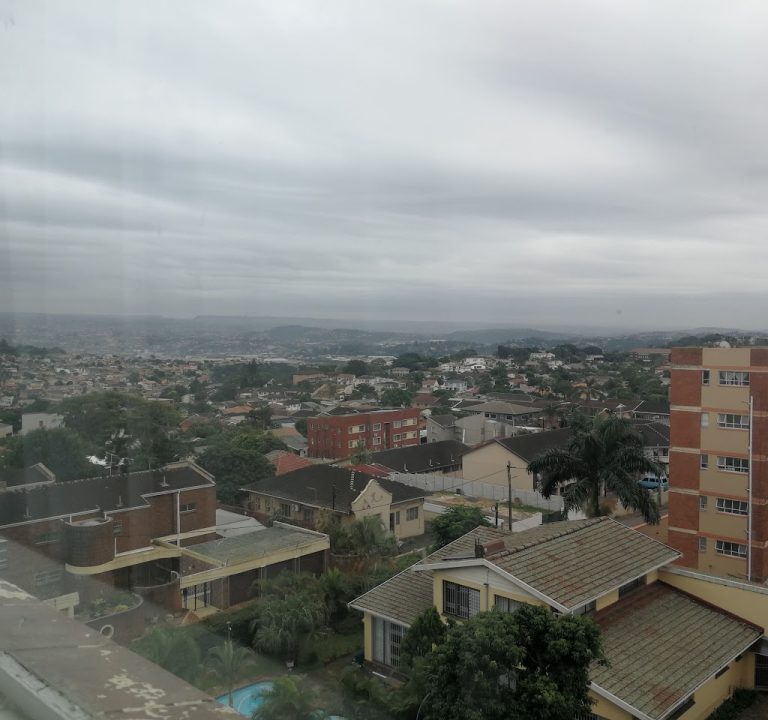
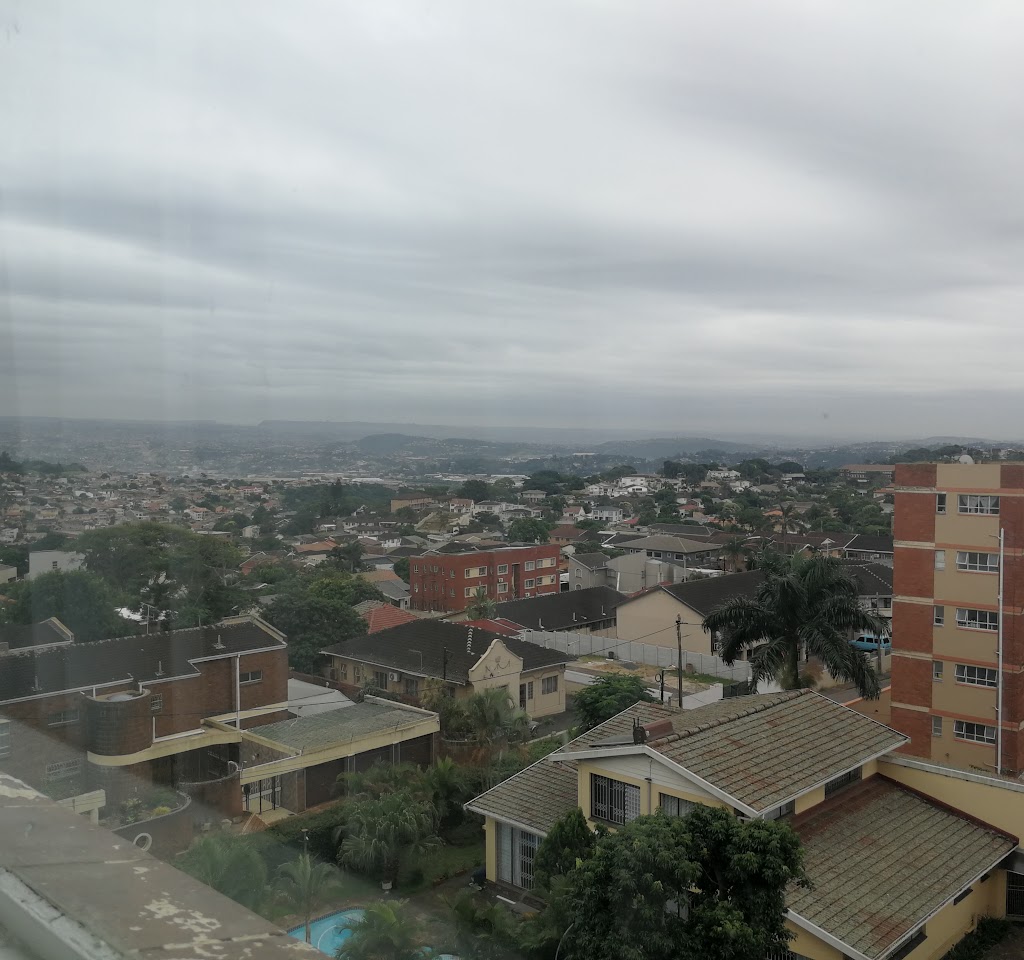
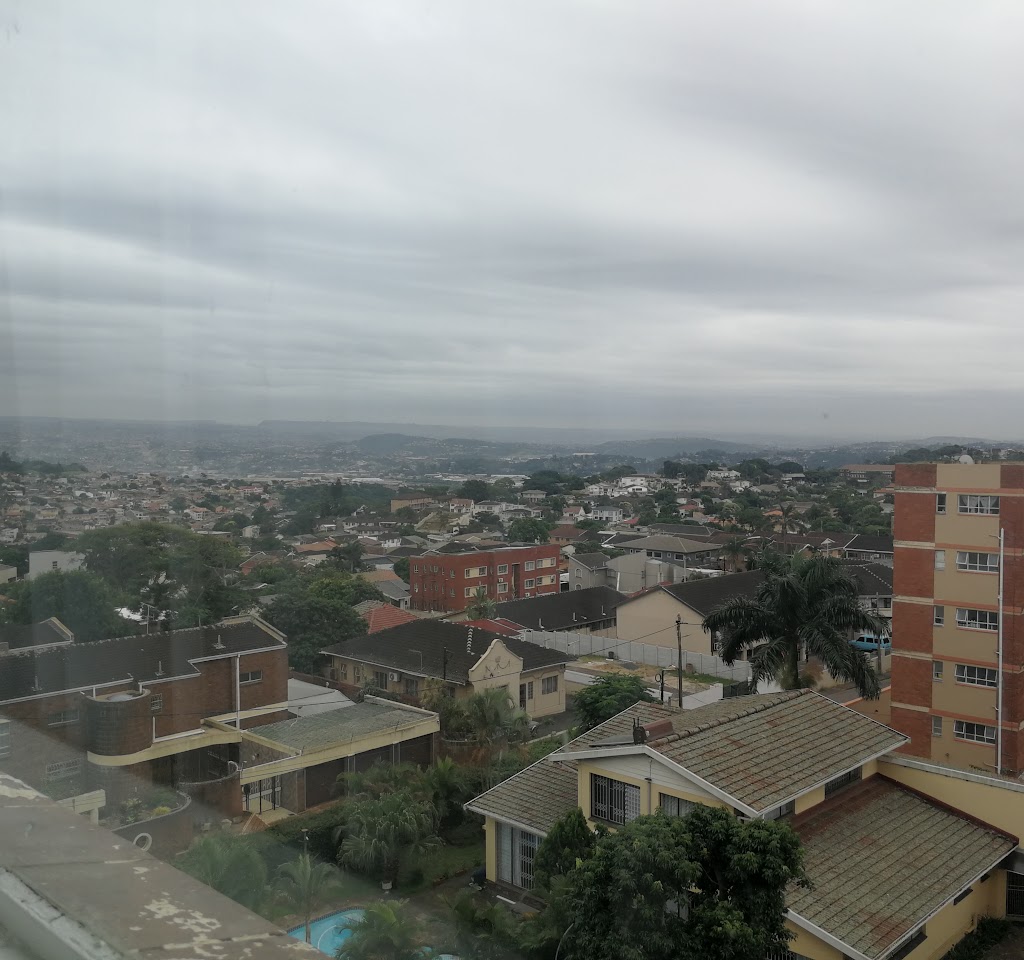
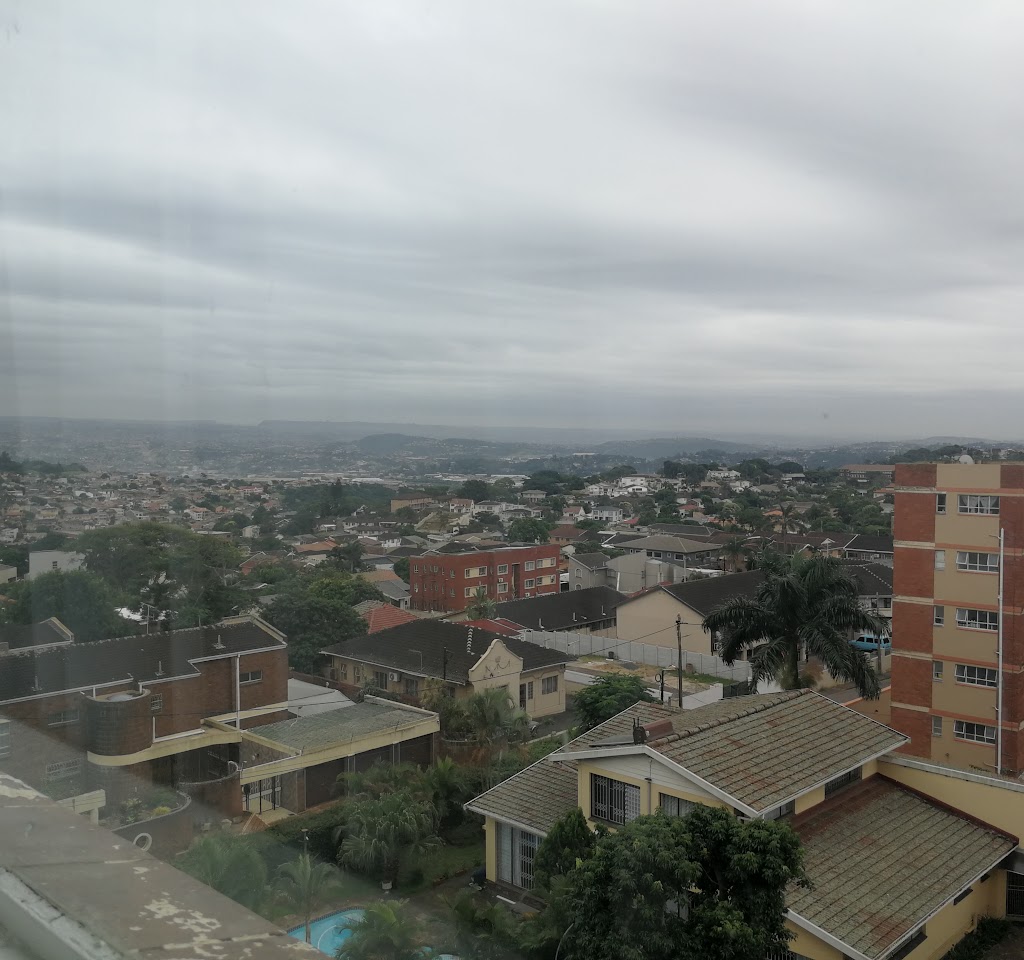
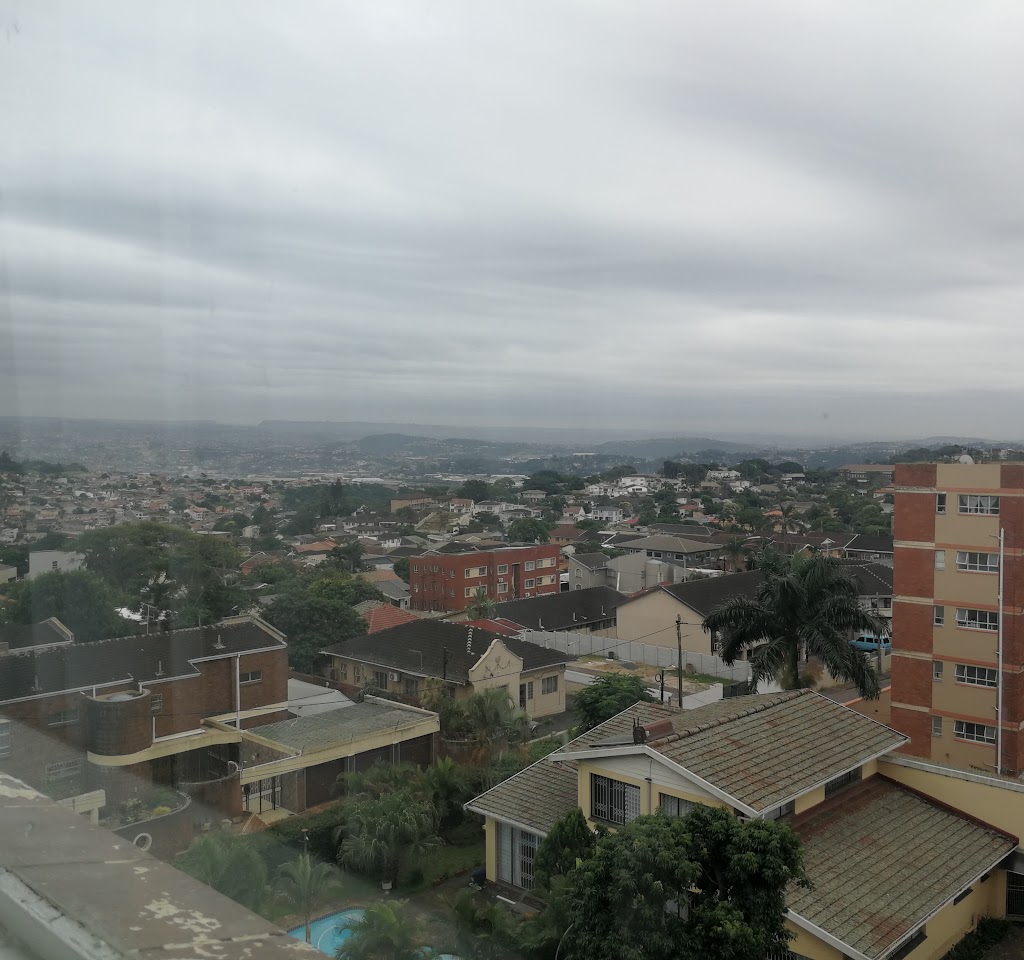
Durban, perched on the eastern coastline of KwaZulu-Natal, offers a diverse mix of sun-soaked beaches, leafy neighbourhoods, and a vibrant cultural footprint. When planning a stay, consider districts that suit your rhythm: the central city with historic architecture and easy access to attractions, the beachfront precincts for morning swims and long walks along the promenade, and residential pockets inland that provide calm, authentic local life. Durban is a friendly city for travellers, with a broad range of accommodation to suit different budgets and tastes, from manorial hotels to modern boutique guesthouses and comfortable lodges.
For those seeking a mid-to-upscale experience, a handful of hotels in central or waterfront locations can offer excellent access to Durban’s main sights, while guesthouses and lodges tucked away in leafy suburbs provide a more intimate stay. If you’re drawn to specific attributes—such as easy beach access, a pool, on-site dining, or a connection to local culture—look for properties that highlight those features in their descriptions and guest reviews. A well-located stay can cut transit time and maximise your time exploring, eating, and relaxing.
When choosing a place to stay, key considerations include:
- Proximity to the beach, the promenade, or major routes for day trips.
- Accessibility by public transport or reliable ridesharing options.
- Availability of parking if you plan to hire a car.
- On-site amenities such as Wi‑Fi, air conditioning or heating, a comfortable workspace, and secure access.
- Guest reviews focusing on cleanliness, service, and the setup of common areas.
Typical amenities you may encounter include air-conditioned rooms, complimentary breakfast or options for in-room dining, outdoor pools, well-equipped gyms, and in-room workspaces. Restaurants on-site or nearby are a practical perk, given Durban’s reputation for diverse cuisine—from seafood-focused menus to flavours influenced by Indian, African, and international traditions. In many areas, you’ll discover casual eateries and family-run bistros within easy strolls, with larger precincts offering a wider choice of dining experiences.
Transport in Durban is straightforward, though planning around peak hours helps. The city is served by a range of options: reliable ridesharing and taxi services can cover short trips along the coast and into the inland suburbs, while car hire provides flexibility for day trips to the surrounding coastline, nature reserves, and shopping hubs. If you prefer public transport, some central hotels offer shuttle services or are well connected to bus or minibus taxi routes. Consider the distances you’re comfortable with for daily excursions, and whether you’ll be using a combination of walking, tram-like systems along the promenade, or longer drives to hinterland attractions.
Seasonal timing can shape your experience. Durban enjoys a warm climate for most of the year, making it suitable for beach days and outdoor markets. The dry months typically bring pleasant daytime temperatures and lower humidity, while the summer season can bring heavier rainfall and higher humidity. If you’re planning outdoor activities, the months outside the peak heat and rain can be ideal for longer walks, nature excursions, and exploring the city on foot or by bike. Pack sun protection, a light layer for cooler evenings near the coast, and a waterproof layer for the chance of showers.
Top choices for a well-rounded Durban stay often revolve around access to the city’s natural and cultural highlights. In broad terms, you can design a balanced itinerary that weaves beach time with urban exploration, markets, and dining experiences. Start with a stroll along a long coastal promenade to enjoy sea views and energetic street life, then venture into neighbourhoods with cafés, galleries, and markets where you can sample local wares and crafts. For a family-friendly or relaxed trip, look for properties near beach access or close to parks and open spaces, which offer safe, easy ways to unwind after a day of sightseeing.
Durban’s culinary scene is as varied as its landscape. Expect a spectrum of casual eateries, family-run eateries near residential areas, and more formal dining rooms that celebrate regional flavours and globally inspired menus. Wherever you choose to stay, consider planning at least one dedicated dining outing to explore the city’s diverse palate—from street-food style bites to longer, sit-down meals in contemporary restaurants. For inspiration and practical planning, refer to trusted travel sites and the accommodation’s own recommendations, which can point you to convenient neighbourhoods for dining and evening activities.
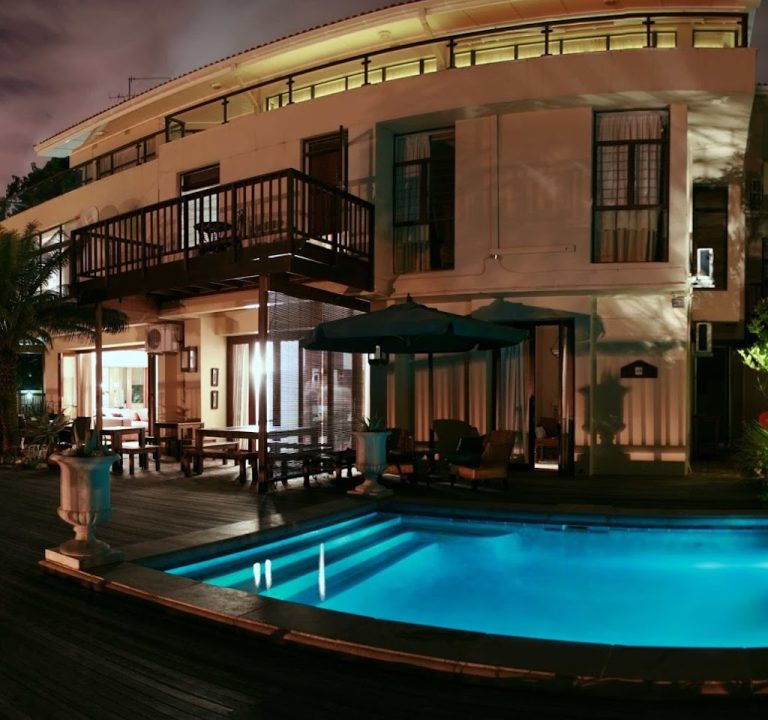
One example of accommodation that exemplifies Durban’s hospitable hospitality is Emakhosini Hotel on East, a property that emphasises comfortable rooms, thoughtful amenities, and a convenient location. You can explore its details and booking options at their official website: http://www.emakhosinihotels.com/.
Practical planning tips:
- Book an area close to your planned activities to minimise transit time.
- Check flight and railway connections if you’re arriving by air or train, and align with your hotel’s arrival guidance.
- Look for properties with secure access and clear housekeeping practices.
- Review cancellation policies and inclusions (breakfast, parking, Wi‑Fi) before finalising your booking.
- Plan a mix of beach time, urban exploration, and restful evenings to balance pace and energy.