Durban, KwaZulu-Natal: accommodation options, planning tips and local experiences
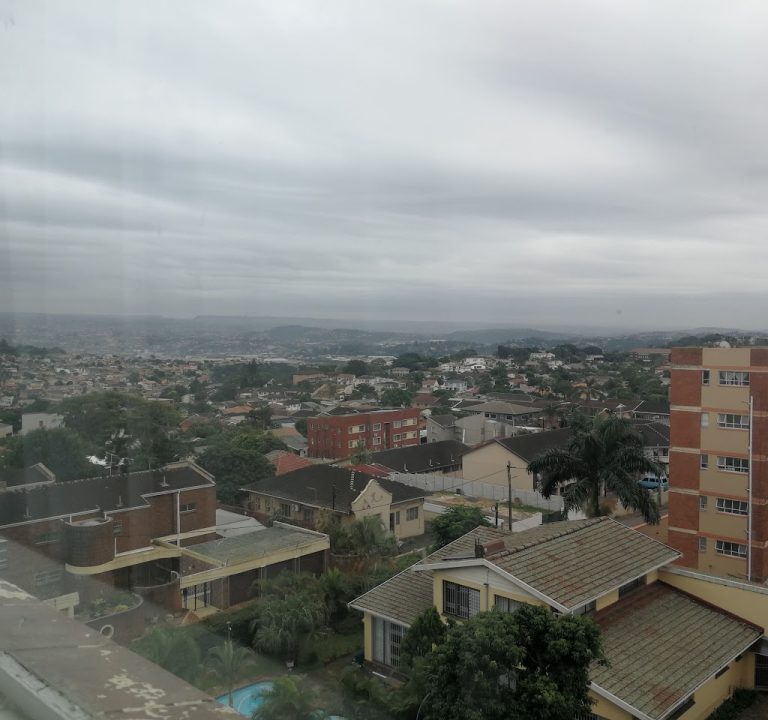
Durban offers a long coastline, a warm subtropical climate and a rich mix of cultures, making it a rewarding destination for a varied stay. When planning where to base your visit, think about what you want to see and how you prefer to move around. The city centre and the Berea offer easy access to museums, markets and nightlife, while the northern corridors around Umhlanga and La Lucia provide a more resort-like atmosphere with more modern hotels and easy beach access. For a quieter stay with easy day trips, consider options inland or along the scenic hills lying to the west and north of the city centre.
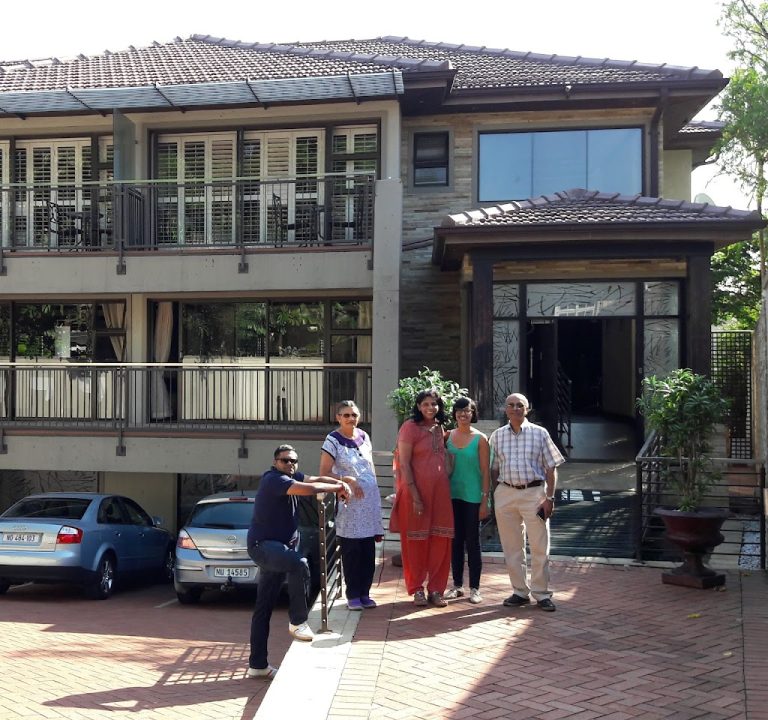
Accommodation in Durban ranges from guest houses and boutique hotels to larger resort-style properties and self-catering apartments. A guest house such as Executive Suites at 555 can offer a home-from-home feel, often with personalised service and a convenient location for exploring the city. When evaluating options, look for a few key features: generous communal spaces or a balcony for socialising, reliable Wi‑Fi, air conditioning or good ventilation for the subtropical heat, secure parking, and clear information on cleaning schedules and accessibility if required. Properties that publish clear photos and up-to-date guest reviews tend to provide a truer sense of what you will encounter on arrival.
Areas to consider include:
- The Golden Mile and North Beach: beachfront stays with quick access to the promenade, beaches, and seaside eateries.
- The Berea: a leafy, residential area close to the city’s cultural attractions, with many guest houses and boutique stays.
- Umhlanga and Umhlanga Rocks: a more resort-like district with modern hotels, shopping and a quieter coastal ambience.
- Durbans central districts, including Greyville and the city core: convenient for museums, markets and public transport access.
- Wind-ward inland hills and lesser-known suburbs: good for tranquillity, gardens and easy day trips to Tala Game Reserve or the Valley of a Thousand Hills.
Transport considerations are important. Durban’s public transport includes bus services and a rail network that can help you reach popular areas, but many visitors prefer a rental car for maximum flexibility, especially if you plan day trips along the coast or into the surrounding countryside. If you rely on ride-hailing or taxis, budget for peak-hour demand and traffic around central and beachfront zones. Some guest houses and hotels offer shuttle services or arranged tours, which can simplify planning and help you make the most of your time.
Best time to visit Durban is influenced by climate and events. The city has a warm, subtropical climate with hot summers and mild winters. For beach-centric trips, spring and autumn (late September to November, and February to April) often bring pleasant temperatures and fewer crowds. The wetter months tend to be in the summer, with occasional showers, so packing a light rain jacket is sensible. If you’re aiming to combine a beach break with wildlife or cultural experiences, you can find comfortable conditions most of the year, but always check local forecasts before heading out for long beach days or hiking excursions.
Practical tips for planning your stay include budgeting for meals and experiences, researching opening times for attractions, and booking in advance during peak seasonal periods. When booking accommodation, consider whether you want a space with self-catering facilities, a serviced room, or a traditional B&B format with breakfast. Reading guest reviews can reveal how responsive the host is to questions and how accurate the listing is, especially regarding parking, security, and nearby amenities.
Attractions and experiences on the doorstep of Durban range from family-friendly beaches and water parks to cultural hubs and markets. You can expect a mix of coastal walks, museums that explore local heritage, and diverse dining scenes where flavours reflect the region’s coastal and inland influences. For a rounded visit, plan a blend of time by the sea, some museum or gallery visits, and an opportunity to try local and international cuisines in a selection of neighbourhood eateries. The surrounding KwaZulu-Natal landscape also offers scenic drives, wildlife encounters and hill-country viewpoints that can be reached as half-day excursions or longer day trips.
When choosing dining options, look for places that offer a range of freshly prepared dishes and, where possible, menus that reflect Durban’s multicultural influences. Many hotels and guest houses can recommend area favourites and must-try experiences, from casual seafood spots near the beach to more relaxed cafés along leafy streets. If you enjoy markets, you’ll find opportunities to browse handmade crafts, local foods and seasonal produce, which can be a pleasant way to spend an afternoon during your stay.
For planning resources and ideas about Durban, you can explore official tourism pages and local visitor guides online. These sources can help you map out day trips to nearby attractions, reserve seats for tours or experiences, and discover new dining options that suit your itinerary. Whether you’re aiming for a beach-based break, a cultural city stay, or a comfortable base to explore KwaZulu-Natal, Durban offers a spectrum of options to suit different styles and budgets.