Accommodation and Experiences in Soweto: A Practical Guide for Travellers
Soweto, in the heart of Gauteng, blends rich history with vibrant contemporary culture. When planning a stay, visitors are spoilt for choice in terms of accommodation, from modest guest houses to stylish lodges and well-appointed hotels. The key is to match your lodging with your itinerary and budget, so you can maximise comfort while exploring the area’s iconic landmarks, markets, eateries and lively neighbourhoods.
Areas to consider include central districts near major transport routes, plus more residential pockets that offer a quieter base with easy access to city connections. Guest houses and boutique lodges in Soweto often emphasise warmth and personalised service, making them ideal for travellers who want a sense of place and local insights. If you value easy access to public transport, look for properties situated near bus routes or taxi ranks, as these can simplify daily excursions to Soweto’s well-known sites and markets.
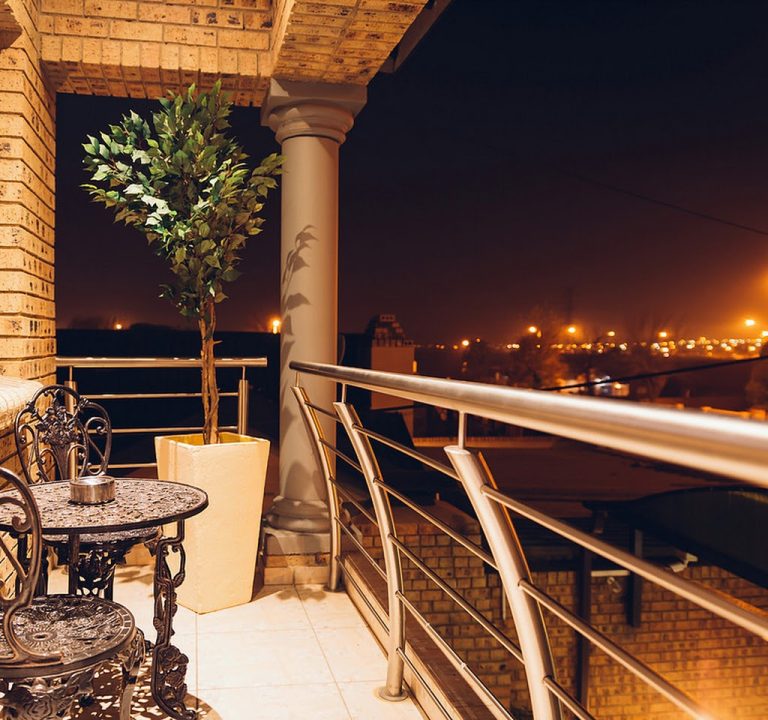
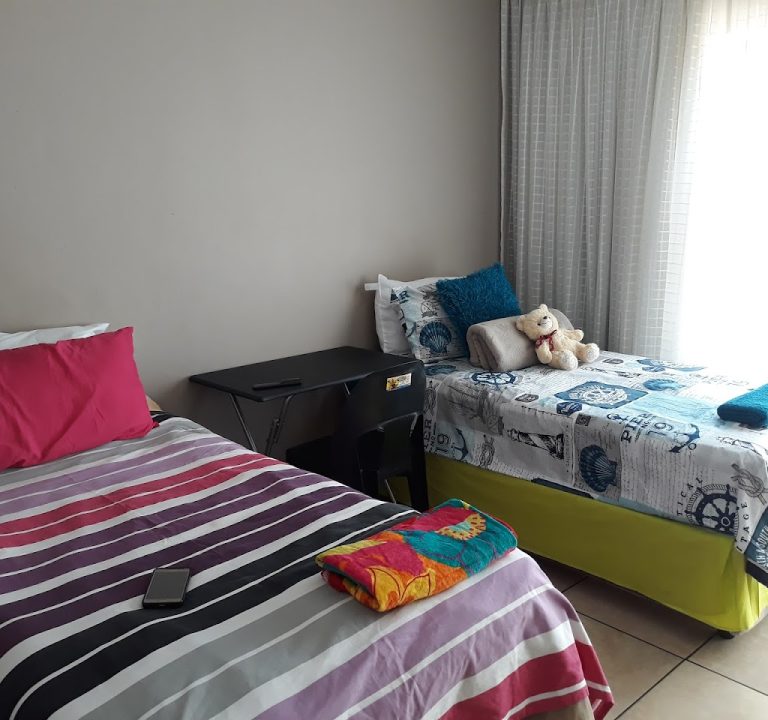
Typical amenities you might encounter include en-suite bathrooms, air conditioning or ceiling fans for Soweto’s warm summers, secure parking, complimentary breakfast, and communal spaces such as gardens or verandas. Some properties may arrange guided tours or share local knowledge about eating spots, markets and cultural venues. When booking, check what is included in the rate, as a higher room rate may come with breakfast or on-site facilities that genuinely enhance a stay.
Transport is a practical consideration. While some guests rely on hired cars, many travellers prefer convenient access to public transport or rideshare services. If you plan to hop between different parts of Soweto or to Johannesburg proper, it helps to choose a base within reasonable reach of main roads and major arterials. Ask about shuttle options or arranged transfers with your accommodation, especially if you intend to visit multiple day trips or guided tours.
The best time to visit Soweto generally mirrors Johannesburg’s climate: mild and pleasant in spring (September to November) and autumn (March to May), with hot summers (October to February) that can bring occasional showers. Winter (June to August) is cool but often clear, which can be ideal for outdoor exploring in the daytime. Consider local events and markets when planning your trip, as these can greatly enrich your experience. Staying longer allows you to pace your activities and savour the neighbourhoods without rushing from site to site.
Practical planning tips help travellers avoid the common hiccups. Always confirm check-in and check-out times, and whether there are any city-specific safety guidelines or area notes from the property. If you plan to visit cultural sites or markets, map out a route that minimises backtracking, particularly if you are unfamiliar with the area. Keep a copy of local directions or a digital map handy, and have a plan for reasonable evening transport if you plan to stay out for dinner or entertainment.
Accommodation in Soweto often blends cultural warmth with modern comfort. Some guest houses emphasise a family-friendly atmosphere with shared meals or relaxed communal spaces, while others offer more private stays with contemporary furnishings. When evaluating a listing, consider how the accommodation aligns with your interests—whether you want quiet downtime after a day of exploring or a lively base that sits close to markets, galleries and eateries. Reading guest reviews can provide useful context about noise levels, staff friendliness, and the overall vibe of the place.
Food and dining experiences are a highlight of a Soweto stay, with a broad spectrum from casual eateries to more refined venues. Many travellers enjoy sampling local dishes and regional flavours, often with recommendations from hosts or site guides. You may find that some properties partner with nearby restaurants or offer on-site breakfast options that use fresh, regional ingredients. If you have dietary requirements, confirm in advance with your host or at the property to ensure suitable options are available.
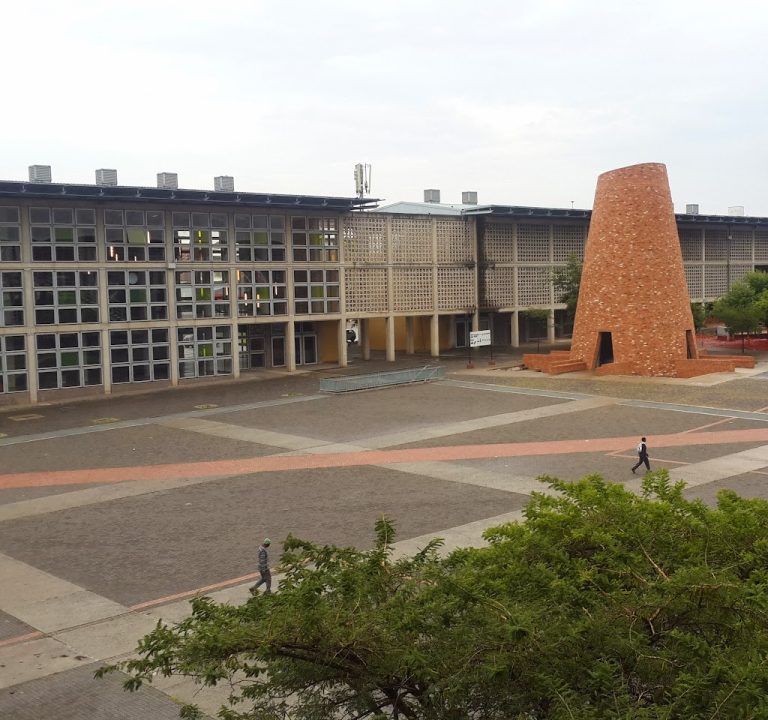
Attractions in Soweto span historical, cultural and contemporary experiences. Visitors commonly explore historic streets, museums and memorials, which reflect the area’s pivotal role in South Africa’s past. Outdoor markets, gardens and community spaces offer a sense of daily life in Soweto today. While this guide does not list every specific site, prioritising a couple of well-established experiences can yield a meaningful overview of the township’s heritage and modern energy. A flexible approach—balancing structured visits with relaxed periods in markets or cafés—helps travellers absorb the atmosphere without feeling overwhelmed.
For dining, look for venues that celebrate local flavours with a friendly, welcoming ambience. Many eateries in and around Soweto emphasise hospitality and a sense of community, making meals part of the overall experience rather than a mere break in the day. If you’re staying in a guest house, ask for recommendations from your hosts—local tips can lead you to hidden gems that aren’t always listed in standard travel guides.
One example of local accommodation is EKUTHULENI GUEST HOUSE, a guest house option that may provide a comfortable base with staff ready to share practical insights about the area. When evaluating any property, consider its approach to guest safety, accessibility, and how well it supports your intended pace of travel. A well-chosen Soweto stay can feel like a home away from home while offering convenient access to the township’s warm hospitality and dynamic culture.
- Compare neighbourhoods: central access versus quieter residential streets to match your preferred pace.
- Clarify inclusions: breakfast, parking, and guided activity options can add real value.
- Check transport: proximity to main routes or public transport simplifies daily outings.
- Plan meals: look for hosts or venues that support local dining and dietary needs.
- Stay flexible: build a mix of guided experiences and free time to absorb Soweto’s atmosphere.