Exploring Soweto: Accommodation, Attractions and Practical Tips
Soweto, a vibrant heartland of South Africa’s history and culture, offers a range of accommodation options that suit different travel styles, from intimate B&Bs to friendly guesthouses and small hotels. When planning a stay, consider which neighbourhood best aligns with your interests and how you prefer to explore. Staying in central neighbourhoods with easy access to transport can minimise transit time, while quieter pockets on the fringe offer a calmer base and a more residential feel.
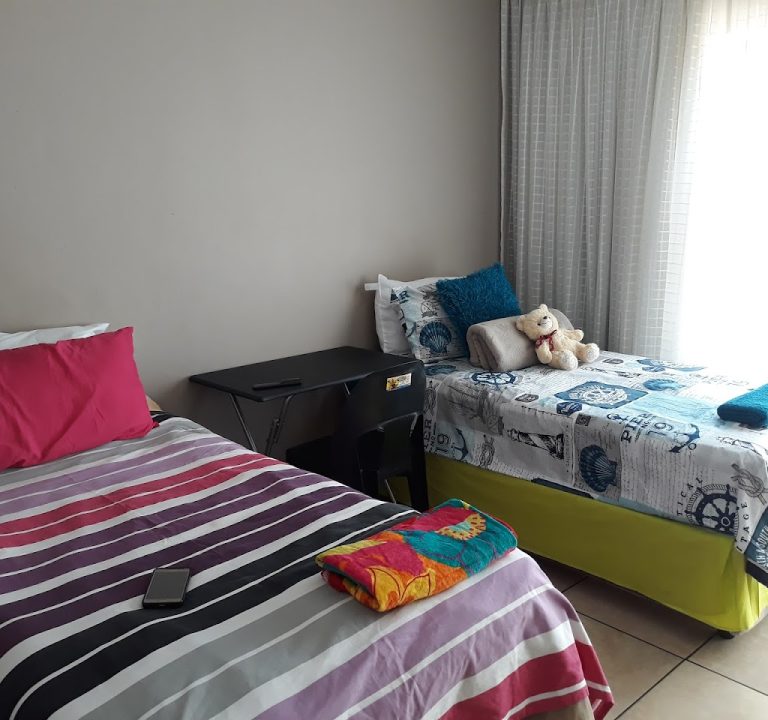
Area choice matters when you book in Soweto. Orlando West and Vilakazi Street are popular for first-time visitors due to their proximity to heritage sites and guided experiences. For a slower pace with leafy streets and local flavour, districts such as Diepkloof or Pimville can provide a more residential atmosphere while still placing you within reach of major sights. If you’re after a more boutique or personalised stay, small guesthouses and B&Bs tucked away in residential streets can feel like a warm, home-from-home refuge after a day of exploring.
When booking, look for a few practical amenities that make a stay more comfortable. A reliable Wi-Fi connection and convenient charging outlets are essential for coordinating day trips and sharing memories. Air conditioning or fans help with Soweto’s warmer months, while a good queue to hot water and sensible bathroom layouts can save time during busy mornings. A reasonable breakfast offering is a welcome boost, particularly if you plan early starts for guided walks or markets. If you prefer privacy, check whether the property offers ensuite bathrooms or provides a separate shared bathroom with clear cleaning standards. Friendly on-site staff or a local host can be invaluable for arranging tours, transport, and authentic dining recommendations.
Transport is a key consideration in Soweto. Many visitors choose to rely on guided tours or organised transfers for peace of mind, while others opt for flexible self-guided exploration. Public transport in parts of Johannesburg runs city-wide, but in Soweto it’s common to use private taxis, ride-hailing services, or local minibus taxis for shorter hops. When you’re out and about, walking is safe in daytime residential areas, but plan longer journeys with a clear route and a trusted driver if you are unfamiliar with the area after dark. If your accommodation can assist, arranging a guided walking tour or a daytime drive to key sites can help you learn about Soweto’s history, culture and everyday life in a relaxed way.
In terms of typical amenities, many Soweto stays offer comfortable en-suite rooms, private entrances, secure parking, and daily housekeeping. A common feature is a communal lounge or courtyard where guests can mingle with hosts and other travellers, sharing tips and stories over coffee or a simple breakfast. Some properties additionally offer curated experiences, such as neighbourhood walks, coffee tastings, or traditional cooking demonstrations, which can enrich your visit without requiring separate bookings.
Best time to visit Soweto hinges on your preferences. The dry winter season, roughly May to August, tends to be cooler and steadier for outdoor activities and sightseeing. Spring and autumn offer pleasant temperatures as well, though occasional rain can occur. The warm, rainy season from November to March brings lush greenery and vibrant markets, but be prepared for hot days and sudden showers. If you’re planning a social or cultural event, aligning your stay with local markets or community gatherings can add a memorable layer to your trip. Always check the local climate forecast and pack accordingly, with a light layer for evenings and a hat, sunscreen, and water for daytime explorations.
Attractions in Soweto are shaped by its history, culture and community spirit. Visitors commonly seek out heritage sites that tell the story of South Africa’s fight for freedom, alongside markets, museums, and cultural hubs that showcase local music, craft and cuisine. Guided tours can provide context and safety, helping you understand the area’s complex past while meeting residents who offer personal perspectives. For those who enjoy food and dining, Soweto’s neighbourhood eateries and casual cafés offer opportunities to sample traditional dishes and contemporary twists on local favourites, with the chance to observe a warm, welcoming way of life. When choosing restaurants, opt for places that are popular with locals, clearly legible menus, and good hygiene practices.
Practical tips for a smooth stay:
- Book accommodation with clear cancellation terms and verified guest reviews to avoid last-minute changes.
- Ask your host or concierge for a curated day plan that fits your interests, whether it’s history, street photography, or art and music.
- Pack comfortable walking shoes and dress modestly in respect of local customs when visiting communities.
- Share your itinerary with someone you trust and arrange a reliable means of transport for nights out or late returns.
- Support local businesses by dining at family-run eateries and buying crafts from community markets or acknowledged cooperatives.
When it comes to staying connected, many properties in Soweto provide Wi‑Fi and small workspaces, which is helpful if you’re combining travel with a touch of remote work. If you plan a longer stay or a special occasion, speak with your host about arranging a private guide, a customised township walk, or a sunset drive to capture Soweto’s colours in different lights. Websites and local tourism portals can offer snapshots of suggested routes, seasonal highlights, and practical tips for visitors—use these as a planning tool rather than a fixed schedule, allowing space for spontaneous moments that are often the most rewarding.