Accommodation and Experiences in Soweto, Gauteng: A Traveller’s Guide
Soweto offers a rich mix of lodging, from traditional guesthouses and boutique hotels to self‑catering apartments and welcoming lodges. Staying here provides a grounded experience of urban South Africa, with easy access to a range of attractions, eateries and cultural activities. When planning a stay, consider which neighbourhood best suits your interests, how you intend to get around, and the kind of pace you prefer during your trip.
Areas to consider include central Soweto, where many guesthouses and small hotels are located, and specific precincts such as Vilakazi Street, known for its historic associations and lively atmosphere. Other popular bases include Pimville, Orlando and Power Park, each offering a different flavour—from intimate, family-run stays to more contemporary boutique properties. In choosing accommodation, look for hosts who can offer local insights, district maps, and practical tips for safe, easy exploration.
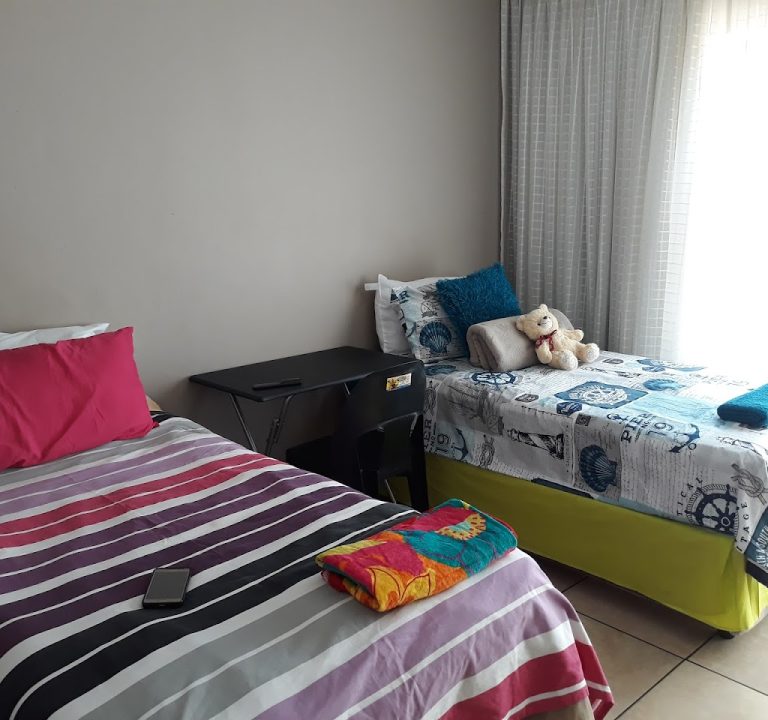
Typical amenities you might encounter in Soweto’s accommodation options include rooms with en-suite facilities, reliable Wi‑Fi, complimentary breakfast, secure parking, and sometimes access to communal kitchens or lounge spaces. Some properties may feature in-house dining or offer guidance to nearby eateries, while others partner with local chefs or small eateries to showcase regional flavours. If you’re after a more immersive stay, seek out homes or guesthouses that arrange hosted evenings, walking tours, or cultural experiences in the neighbourhood.
Transport is a practical consideration. Soweto is well connected to Johannesburg by road and public transport, though schedules and routes can vary by area. Car hire offers the most flexibility for day trips and exploring further afield, while rideshare services and local taxis provide convenient options for shorter hops and evening outings. For visitors without a vehicle, choose accommodation with easy access to main routes, or inquire about guided or group tours that include transfers. If you plan to explore beyond Soweto, you’ll find convenient links to regional transport hubs in the wider Johannesburg metro area via the property’s guest information or local tourism portals.
The best time to visit Soweto tends to be during the drier, cooler months when outdoor activities and walking tours are most comfortable. The climate is generally mild in spring and autumn, with summer afternoons capable of heavy showers. Consider your activity interests—cultural site visits, open-air markets, and neighbourhood strolls can be enjoyed year‑round, but plan indoor alternatives for the hottest or wettest days.
Practical planning tips:
- Book in advance, especially during school holidays and long weekends, to secure a well‑located base with the amenities you want.
- Ask hosts about recommended safe walking routes, transport options after dark, and any area-specific considerations.
- Check whether the property offers breakfast, self‑catering facilities, or dining partnerships, and how this fits with your schedule.
- Look for properties with on‑site parking or easy access to public transport, if you plan day trips to nearby Johannesburg or beyond.
- Consider booking a guided or curated experience through your accommodation to gain local perspectives on history, culture, and community projects.
Attractions in and around Soweto can be experienced in many ways. Visitors often begin with experiences that illuminate Soweto’s history and daily life, including heritage sites and neighbourhood tours that focus on resilience, community, and culture. In addition to historical highlights, the area offers open neighbourhoods with markets, local art, and traditional cuisine available in a variety of venues. Whether you’re seeking a deeper understanding of South Africa’s past or simply an authentic urban experience, plans can be shaped around a balanced mix of cultural insight and relaxed downtime.
Dining in Soweto runs the spectrum from casual street-food‑style stalls to modest, family-run eateries that showcase local flavours. You’ll typically find dishes that reflect the area’s diverse communities, with options for meat dishes, vegetables, and seasonal ingredients. When selecting where to eat, readers may rely on recommendations from hosts, fellow travellers, or trusted online guides rather than relying solely on promotional material. A stroll through lively streets can also reveal opportunities to sample local favourites in a friendly, unhurried setting.
For a well-rounded stay, balance your days with a combination of accommodation comforts, neighbourhood exploration, and curated experiences. A thoughtfully chosen base in Soweto can support easy day trips to surrounding parts of Gauteng while offering insights into the rhythm and warmth of one of South Africa’s most famous townships. With flexible planning, respectful engagement with the community, and attention to practical details, your Soweto escapade can be both enriching and comfortable.