Johannesburg: Where to stay and how to make the most of your visit
Johannesburg, or Jo’burg as many locals call it, offers a diverse mix of neighbourhoods that suit different styles of travel. When planning a stay, it helps to match your accommodation with your planned activities, whether you are drawn to vibrant urban districts, leafy suburbs, or historic townships. From boutique B&Bs to comfortable guest houses, the city provides options that balance convenience, character, and value.
Consider staying in central, well-connected areas as a base for exploring the city. Braamfontein and Newtown are popular for their proximity to museums, galleries, clubs, and dining scenes. Rosebank and Parktown North offer a blend of boutique hotels and guest houses with easy access to markets, cafés, and parks. For a more family-friendly or upscale experience, Sandton and Morningside provide modern conveniences and broader shopping choices, while Soweto offers insight into South Africa’s modern history and culture. If you value a quieter, residential atmosphere, leafy northern suburbs can deliver a calmer stay with convenient transport links to the city core.
When choosing a place to stay, look for certain essentials. Safety and accessibility are important in Johannesburg. Check the surrounding area’s walkability at night and the availability of reliable transport options. A reputable guest house or B&B will typically offer secure access, on-site staff, and clear information about local transport choices. Ask about parking, especially if you are driving, and whether there are easy routes to major roads and highways. Consider whether you prefer the personal touch of a host-led experience or a more self-service setup with flexible check-in arrangements.
Typical amenities you might encounter include en-suite bathrooms, a hearty breakfast or self-catering facilities, Wi-Fi, air conditioning or fans for warmer months, and comfortable common areas. Many guest houses in Johannesburg place importance on guest privacy while offering helpful tips for navigating the city, from safe taxi services to public transport routes. If you travel with family or a group, look for larger rooms or suites, or the option of connecting rooms, as well as laundry facilities.
Transport is a practical consideration. The Gautrain provides fast links to Pretoria and Johannesburg's central hub, but for most city exploration a car or reliable ride-hailing service is convenient. Some areas are well served by taxis and ride-hailing apps, while others are more suited to self-drive arrangements. When booking, ask what transport arrangements the property can assist with, such as airport transfers, day trips, or advice on safe routes to popular sites. Having a plan for peak traffic times can help you structure days efficiently, especially if you intend to visit multiple attractions in a single day.
Best time to visit Johannesburg depends on your priorities. The city enjoys a generally mild climate, with warmer days in the summer months (roughly September to April) and cooler, drier conditions in winter (June to August). Summer showers are common, so packing a light waterproof is wise. If you’re keen on outdoor parks, markets, and day trips, spring and autumn offer pleasant temperatures for walking tours and neighbourhood explorations. For cultural events and concerts, check seasonal calendars in advance as some venues host lively programmes year-round.
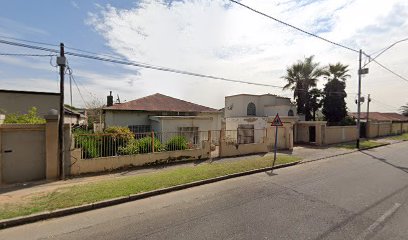
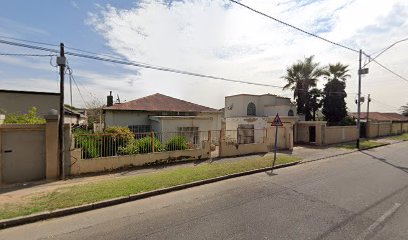
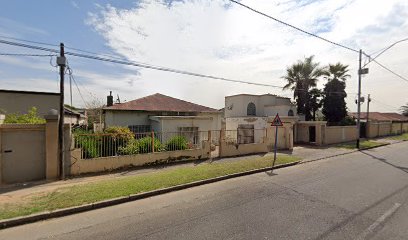
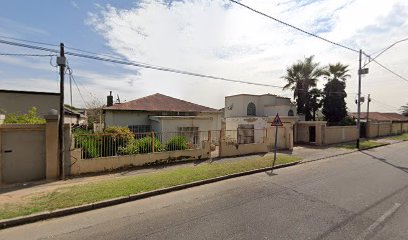
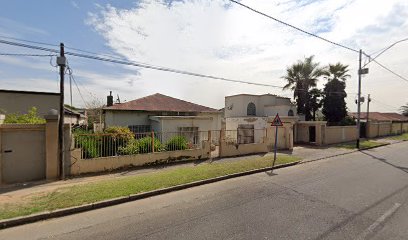
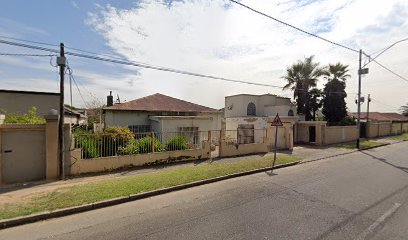
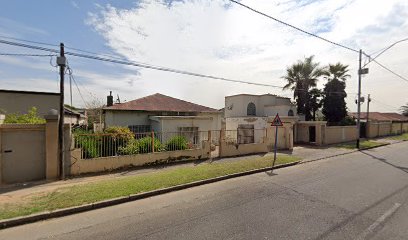
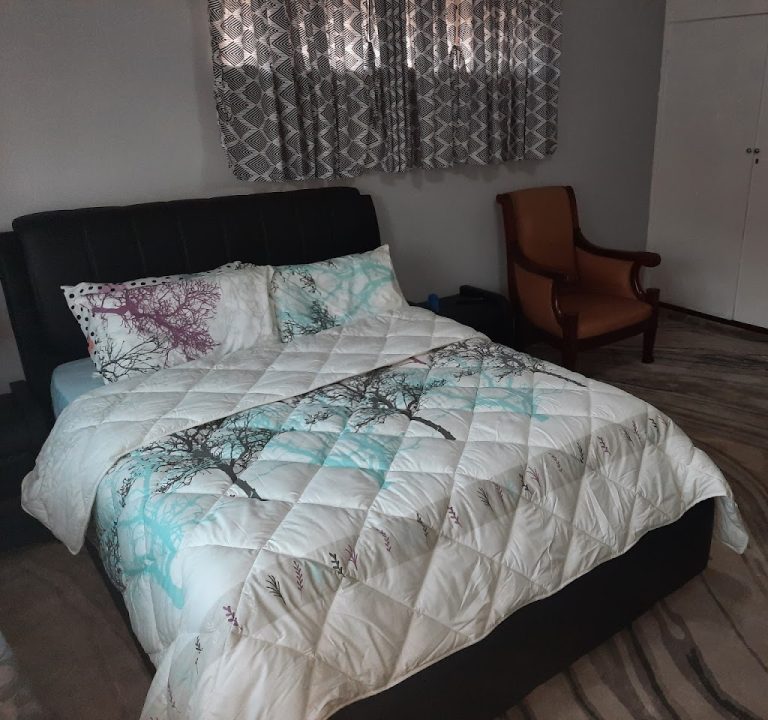
Accommodation in Johannesburg ranges from guest houses with intimate, house-keepers’ style hospitality to modern boutique stays with contemporary design. An example you might encounter is a guest house such as Eastgate Manor B&B, which can provide a welcoming home-from-home experience with a focus on guest comfort and local tips. When reviewing options, consider whether you prefer a hosted setting with personal recommendations or a more private, self-contained stay. It’s helpful to read recent guest reviews to gauge consistency in service, cleanliness, and the quality of breakfast or self-catering provisions.
To help plan your itinerary, here are practical considerations and a sample packing checklist:
- Check access to reliable Wi-Fi and mobile data for maps and ride-hailing apps.
- Choose accommodation with clear safety information and good street lighting in the surrounding area.
- Plan a balance of inner-city experiences (museums, markets, galleries) and nature or park visits for a well-rounded stay.
- Book airport transfers or transfers from major transport hubs in advance where possible.
- Pack adaptable clothing for the climate, plus a compact umbrella for possible showers.
When it comes to attractions and dining, Johannesburg offers a broad spectrum of experiences without the need for long journeys. Museums and cultural centres provide insight into South Africa’s history and contemporary life. Markets, street food stalls, and casual eateries offer flavours rooted in the region’s diverse communities, while refined restaurants provide modern interpretations of local ingredients. For a well-planned visit, prioritise a handful of core experiences and allow time for spontaneous discoveries—like a stroll through a park, a coffee stop in a neighbourhood cafe, or a sunset view from a rooftop terrace.
Ultimately, a successful Johannesburg stay blends convenient accommodation with thoughtful planning around transport, area selection, and climate. By choosing a district that aligns with your interests and ensuring your base offers practical amenities, you can maximise your time exploring the city’s contrasts—from bustling urban quarters to serene green spaces—and discover something memorable at every turn.