Discovering Johannesburg: accommodation, attractions and planning your stay
Johannesburg, a city of contrasts in Gauteng, offers a vibrant mix of guest houses, boutique hotels and lodges that make it easy to tailor a stay to your interests and budget. Whether you are drawn to the city’s cultural energy, its bustling markets, or easy access to the surrounding Witwatersrand scenery, there are plenty of options for thoughtful, comfortable stays. The Penns place, for example, can serve as a friendly base for exploring the urban core while enjoying a personal touch typical of a well-run guest house.
When planning where to stay, consider choosing a neighbourhood that aligns with your intentions. The central business district and the nearby inner-city precincts are prime for those interested in museums, street art, theatres and youthful dining scenes, while the northern suburbs offer leafy avenues, secure streets and convenient access to shopping and dining at higher end venues. If you’re chasing a calmer atmosphere, a guest house in a residential district with easy transit links can provide a quieter retreat without sacrificing convenience.
What to look for when booking can shape your whole experience. Start with safety and accessibility: look for guest houses or hotels that offer secure parking or lobby access, clear reception hours, and well-lit public spaces. Check the location relative to transport hubs; Johannesburg’s transport network includes rail links and rideshare options that can dramatically reduce travel time between sights. Consider the offer of on-site parking, a compact kitchenette or a continental breakfast, and late check-in arrangements if you expect to arrive after hours. A strong Wi‑Fi connection, air conditioning or adequate heating, and reliable housekeeping contribute to a comfortable stay, especially during the hot summers or cooler evenings.
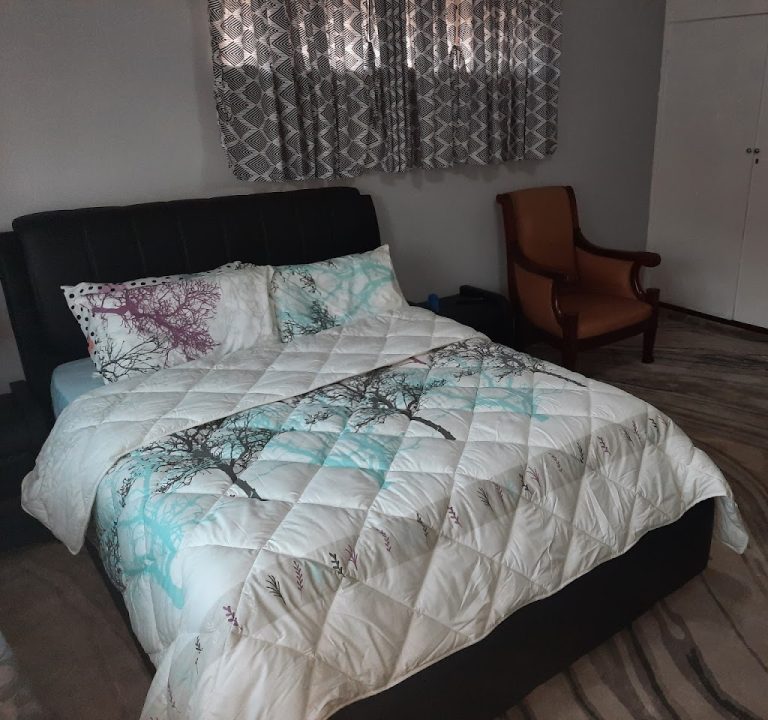
Typical amenities you may encounter include en-suite bathrooms, quality linens, tea and coffee facilities, and access to communal lounges or outdoor spaces. Some guest houses also provide curated recommendations for local dining, markets and day trips, which can save time and help you avoid tourist pickings. If you prefer a more extended stay, look for longer-term offers or flexible cancellation policies in case plans shift. In Johannesburg, many properties are responsive to guests seeking a home-from-home experience, blending personalised service with a convenient city-centre location.
Transport is a key consideration in planning. The city’s rapid transit options include rail services such as the Gautrain and Metrorail, alongside extensive bus and taxi networks. If you plan to explore beyond the immediate city centre, a guest house with easy access to main roads or a reputable taxi or ride-hailing service can save you time and stress. Distances in Johannesburg can be deceptively long, so factoring travel time between attractions, dining and your accommodation is wise. Asking hosts or front desk staff for local travel tips—such as the best routes for late return trains or safe walking routes at night—can be particularly helpful.
Best time to visit Johannesburg is tied to weather and events. The dry winter months, roughly May to September, deliver pleasant daytime temperatures and clear skies, making city sightseeing and outdoor markets enjoyable. The rainy season tends to be in the summer months, with afternoon thundershowers that can also bring lush greenery to parks and gardens. If you are planning a safari day trip or a visit to nearby towns and natural areas, consider booking in advance during peak seasons, and always allow for a little flexibility in your itinerary to accommodate weather or traffic conditions.
In terms of what to explore, the city offers a broad mix of experiences. You can expect to encounter world-class museums and galleries that trace the country’s history and artistic development, as well as bustling markets and street-food scenes that reflect Gauteng’s diverse cultures. For a more relaxed day, parks, gardens and lookout points provide green spaces with views over the cityscape. After a day of exploring, you’ll find a wide range of dining options—from casual eateries serving local favourites to more contemporary restaurants offering innovative menus. In general terms, look for places that highlight seasonal ingredients and have attentive service, while also keeping an eye out for venues that are friendly to visitors who may be new to the city.
Practical tips to help you maximise your stay: book a property with clear cancellation terms and flexible arrival arrangements, especially if you are travelling during peak periods. Verify the availability of secure parking if you are driving, or confirm public transport options from your accommodation to key sights. Pack for the season but be prepared for variable weather—layers are useful for changes between day and night temperatures. If you are visiting with a small group or family, check whether the accommodation offers extra beds or space to relax together in common areas. Finally, use reputable websites to compare properties, read recent guest reviews, and note any recurring comments about noise levels, cleaning standards, or guest services.
- Neighbourhoods to consider: central business districts, inner-city precincts with cultural access, northern suburbs for a quieter stay.
- Booking considerations: security, parking, Wi‑Fi, breakfast options, late arrivals, and flexible terms.
- Transport tips: plan around rail links and rideshare availability; allow time for longer drives in peak traffic.
- Best time to visit: May to September for dry, comfortable weather; plan outdoor activities accordingly.
Whether you are seeking a stylish guest house retreat or a personal-brokered stay that places hospitality at the forefront, Johannesburg offers a breadth of options to suit every traveller. With thoughtful planning, you can enjoy easy access to the city’s cultural heartland, as well as the natural beauty just beyond the urban core, making your stay both convenient and memorable.