Johannesburg: accommodation, planning and exploring Gauteng’s vibrant gateway
Johannesburg, or Jo’burg as many visitors affectionately call it, offers a dynamic mix of neighbourhoods, cultural experiences and award‑winning hospitality. When planning a stay, it helps to think about what kind of experience you want, how you will get around, and what you’d like to be close to. Across the city, self‑catering options, guesthouses, boutique hotels and modern flats provide a range of settings—from cosmopolitan cores to leafy suburbs—so you can tailor your visit to your preferences and budget.
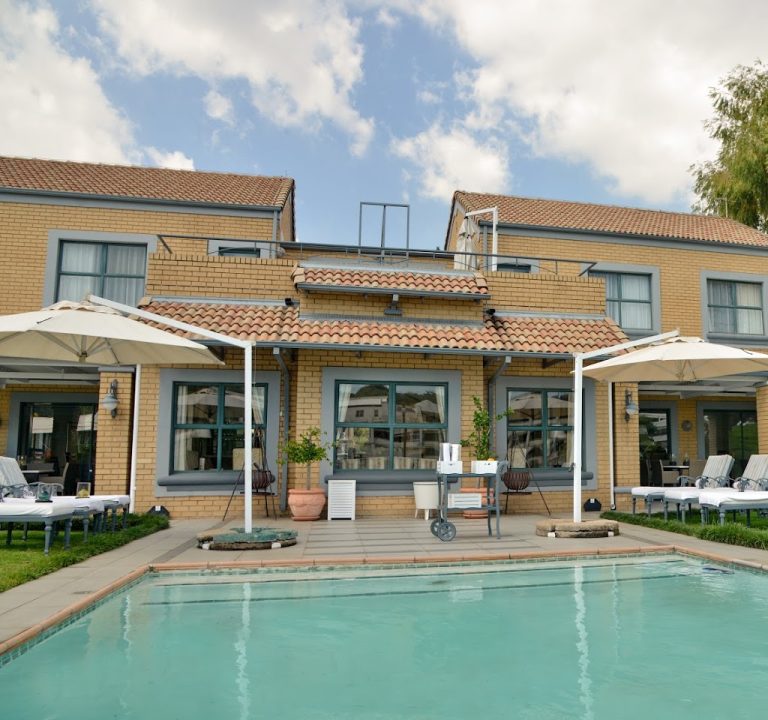
One useful starting point is choosing where you base yourself. Central areas such as the northern suburbs and the city belt give easy access to business districts, cultural venues and contemporary dining. If you’re seeking a calmer atmosphere with a village‑like feel, you might prefer residential neighbourhoods with walkable streets, coffee shops and markets. For families or longer stays, a self‑catering apartment or a serviced apartment can offer the convenience of a kitchen, dedicated living space and the flexibility to pace your days as you please. A property marketed as self‑catering, such as La Pension Inn or similar, can be a practical option for guests who value independence while still enjoying the warmth of a personalised stay.
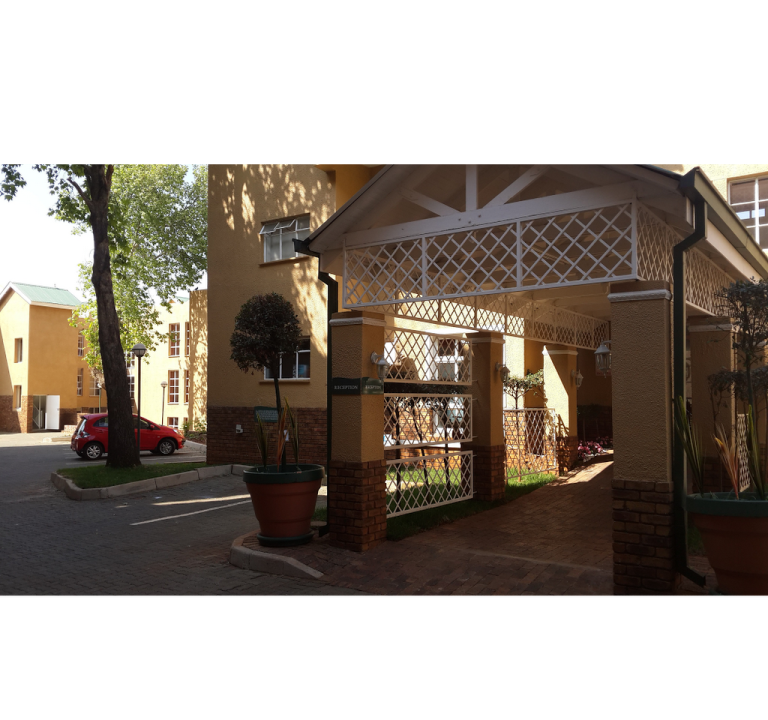
Key things to look for when booking include security and accessibility, reliable Wi‑Fi, comfortable beds, and well‑equipped kitchens if you plan to self‑cater. Check whether the listing notes 24‑hour reception, on‑site parking, and security measures such as controlled access or secure entry. If you’ll be renting a car, confirm parking arrangements and whether there is easy access to major routes. For transport, Johannesburg is served by the Gautrain and a network of taxis and rides‑hailing services, making car ownership optional for many visitors. Proximity to convenient transport links can save time and reduce travel stress when you plan day trips to attractions or markets.
Popular areas to consider include:
- Sandton: a business‑to‑boutique hub with modern apartments and easy access to shopping and dining.
- Rosebank: lively markets, vibrant street life and a mix of boutique hotels and serviced apartments.
- Maboneng and the City Bowl: culture, restaurants and a walkable urban landscape, suitable for travellers who like to explore on foot.
- Braaemfontein and the northern suburbs: a balance of residential calm, green spaces and convenient access to central Johannesburg.
- Melville and Parkhurst: more laid‑back neighbourhoods with cafés, local eateries and a village‑like feel.
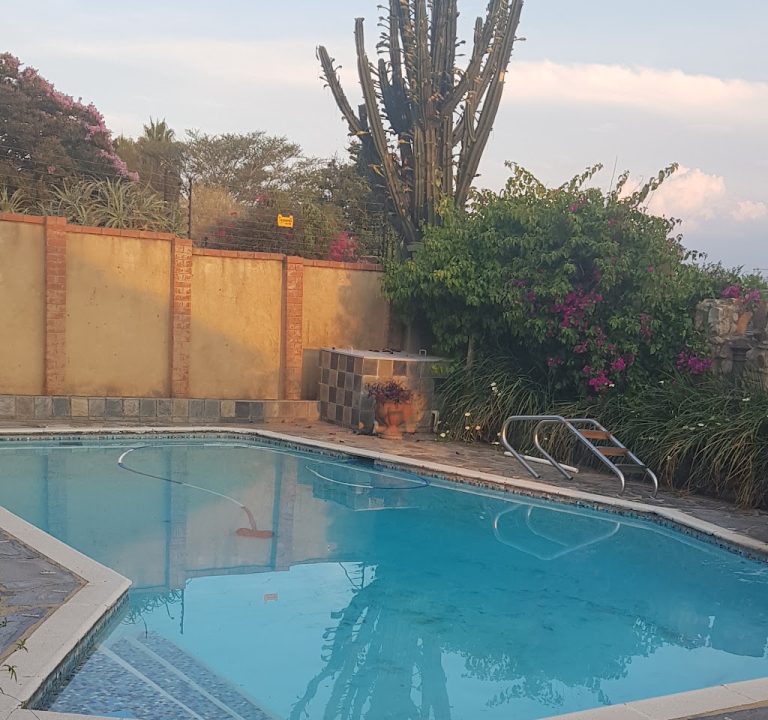
Typical amenities you might expect include self‑catering facilities, daily or weekly housekeeping, wireless internet, linen and towels, and in some cases leisure facilities such as pools or gym spaces. For families or longer stays, look for properties with lounge areas, storage for luggage, a washer/dryer or washing facilities, and a well‑equipped kitchen with a stove, microwave, fridge and enough cutlery and cookware. Laundry facilities, either in‑unit or on‑site, can be a real plus for extended visits.
When planning what to do, Johannesburg offers a wide array of experiences without needing to travel far. Museums and historical sites convey the country’s complex story, while parks and markets provide spaces to relax and sample local fare. In the central areas, you might plan to explore the urban arts scene, browse markets for crafts and foods, and enjoy city‑fed dining options. Across Gauteng, days can be balanced with nature, such as nature reserves or hillside viewpoints just a short drive from the city’s bustle. Families, solo travellers and groups often find a mix of experiences to suit different interests and tempo.
Eating out in Johannesburg ranges from casual cafés to contemporary dining rooms. Many neighbourhoods offer a blend of street‑level eateries and more refined venues serving modern South African cuisine, international dishes and vegetarian options. If you’re staying in a self‑catering property, you’ll still have the option to dine out for special meals or to sample a wider range of restaurants and casual bistros. Markets and food hubs can provide a snapshot of local life, offering fresh produce and ready‑to‑eat dishes that reflect the city’s multicultural influences.
Best time to visit Johannesburg tends to be in the drier, milder months of late spring and autumn, when temperatures are comfortable for exploring on foot and enjoying outdoor markets and garden attractions. Summer can be lively with events and longer days, but occasional thunderstorms and heat should be planned for. Winter is typically cooler and more suited to indoor cultural experiences, with fewer crowds at some outdoor venues.
Practical tips to help you plan and enjoy your stay:
- Confirm access to reliable Wi‑Fi and a quiet workspace if you need to work during your trip.
- Ask about power outages and guest‑friendly contingencies, particularly during load shedding periods common in the region.
- Check transportation options and safety guidance for the areas you plan to visit, including whether rides‑hailing or taxi services are easily available from your accommodation.
- Consider arranging a day or two with a local guide or a curated experience to gain insight into neighbourhoods, markets and the city’s history.
- Pack adaptable clothing and comfortable footwear for city walking, markets, and parks, with a lightweight layer for cooler evenings.
Johannesburg invites visitors to balance comfort with discovery. Whether you choose a well‑located apartment, a charming guesthouse or a stylish boutique stay, your base can be the gateway to a mix of urban culture, culinary flavours and memorable day trips across Gauteng. For further information, you can explore accommodation listings, local tourism sites and reputable travel resources to tailor your stay to your interests and budget.