Accommodating Franschhoek: Where to stay, what to expect, and how to plan your visit
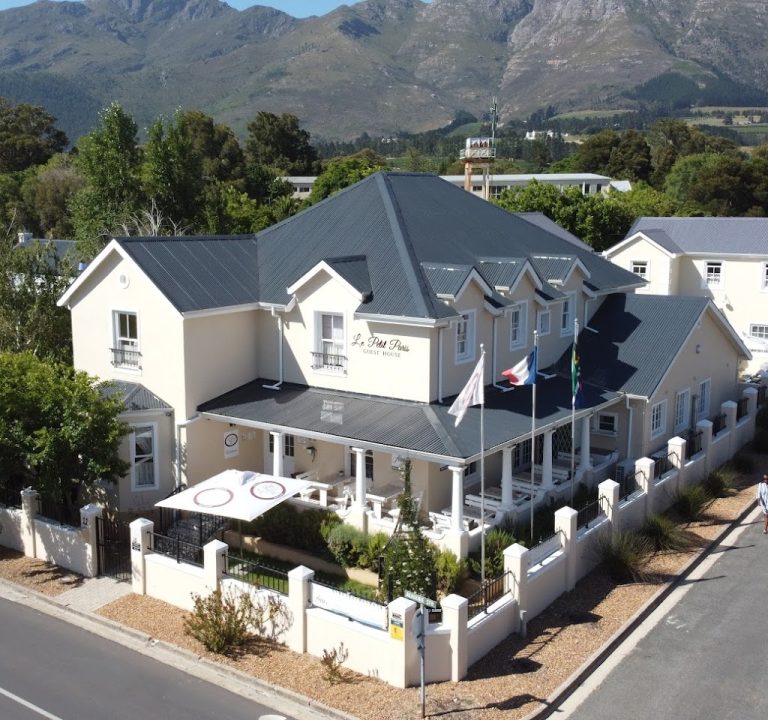
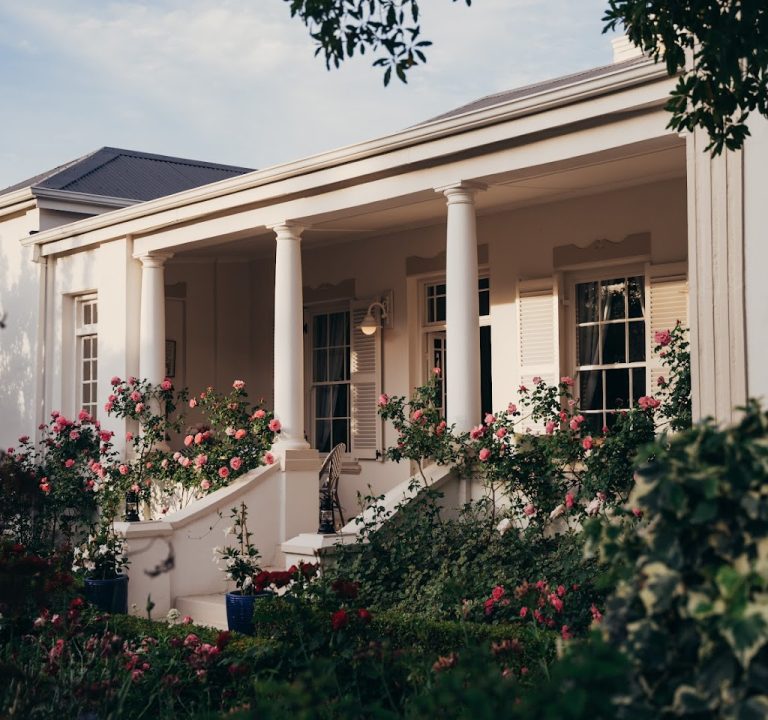
Franschhoek, nestled in the Western Cape’s valley known for its vineyards and cuisine, is a compact village that rewards careful planning. Whether you favour a boutique guesthouse, a country inn, or a self-catering bolthole, the choices are varied and well suited to a relaxed pace and scenic surroundings. A comfortable base such as Duff Cottage Guest House offers a gateway to the area’s beauty, with easy access to cafés, wine estates and countryside walks, while ensuring a hospitable feel that’s typical of Franschhoek hospitality.
When planning a stay, consider the area you’d most like to explore. Franschhoek Village itself is charming for strolls along tree-lined streets, with art galleries, bakeries and cellar doors within easy reach. The surrounding wine routes thread through the valley, with winelands that can be explored on a scenic drive or via tastings with advance bookings. If you enjoy mountain views and tranquillity, look for guesthouses or small hotels perched on hillside plots or near the river, where early morning light and vineyard silhouettes create memorable stays. Always check distance to the town’s heart and to the main routes you’ll use to reach vineyards, restaurants and hiking trails.
Typical amenities to look for when booking include en-suite bathrooms, private entrances, reliable Wi‑Fi, ample off-street parking, and on-site parking for guests using a hire car. Many Franschhoek properties offer breakfast options—some focus on farm-to-table produce, others provide continental spreads or freshly baked goods. If you intend to dine out most evenings, you might prioritise proximity to the village centre; if you prefer quiet and view, you’ll value a property with a balcony, garden or sun terrace where you can unwind after a day’s exploration.
Transport is straightforward but worth planning. A car is highly recommended for flexibility, as many wineries and viewpoints are a short drive away and public transport is limited in the valley. Some guesthouses provide shuttle services or partnerships with local drivers, but confirm arrangements before arrival. If you arrive by air, Cape Town International is the nearest major hub, followed by a scenic drive through the countryside. In town, walkable distances help you absorb Franschhoek’s atmosphere, while a day spent exploring outside the village often involves a short drive to a winelands estate or a mountain trailhead.
- Book ahead during peak seasons (spring and autumn) when the valley’s colours and weather are at their best.
- Choose accommodation with on-site parking or easy access for a rental car.
- Assess the level of breakfast service and whether dietary preferences can be accommodated.
- Check cancellation policies and any minimum-night requirements, especially around holidays or event weekends.
- Ask about the availability of spa services, cycling routes, and guided walks if you wish to add activities to your itinerary.
In terms of attractions and experiences, Franschhoek offers more than a pretty setting. The town sits at the heart of a renowned wine region with cellar doors and food-focused venues that are easy to pair with a gentle itinerary. The surrounding valley provides opportunities for scenic drives, picnics in vineyard spaces, and short walks that showcase the landscape’s rolling hills and vineyard patterns. If you enjoy culture, the village’s museums and historic sites offer context to the area’s Huguenot heritage and agricultural evolution. For food lovers, expect an emphasis on fine and seasonal dining, with many establishments drawing on local produce and wine for a memorable dining experience. While specific venues vary, the emphasis remains on high-quality ingredients, carefully crafted menus, and a calm, leisurely pace.
Dining and nightlife are relaxed and accessible, with a variety of bistros, cafés and cellar-door experiences to choose from. Planning ahead is wise, especially for popular weekends; some venues operate on a reservation basis, and tasting experiences often run by appointment. When choosing where to eat, consider whether you’d prefer a riverside setting, a courtyard with shade and breeze, or an intimate dining room that highlights cooking with seasonal flavours. For late afternoons, you might favour a terrace with vineyard views to accompany a wine flight or a light snack along with the sunset hues over the valley.
Best time to visit Franschhoek centres on the climate and harvest rhythm. Spring (August to November) and autumn (February to May) bring pleasant temperatures, colour, and lighter crowds than peak summer holidays. Winter is cooler and quieter, while summer invites longer days and more outdoor activity, though it can be busier around weekends. Pack layers for variable weather, comfortable walking shoes for village streets and vineyard paths, and a sun hat for midday warmth. A compact umbrella or light rain jacket is sensible for occasional showers, especially in spring or autumn.
Practical tips to make the most of your stay: keep a rough daily plan but leave space for spontaneity, such as a spontaneous cellar door visit or a walk along a vineyard track you happen upon. Bring a reusable bottle for tastings and stay hydrated during warmer days. If you’re exploring with a group, consider booking a private wine-tasting session or a guided walk to gain insight into the landscape and history of the area. Finally, respect local norms at hotels and guesthouses, particularly around quiet hours and communal spaces, to ensure a pleasant experience for everyone staying in Franschhoek.
For more information on accommodation options and planning ideas, you can visit the official Franschhoek tourism site or explore individual property pages, such as Duff Cottage Guest House, to gauge what suites your style. Links to local attractions, dining venues, and wine estates can help you tailor a stay that blends comfort with memorable experiences in one of South Africa’s most celebrated wine regions.