Staying in Franschhoek: accommodation, attractions and practical tips
Franschhoek in the Western Cape is renowned for its sun-drenched vineyards, burgundian-style architecture and a village atmosphere that feels both refined and relaxed. For travellers seeking a memorable stay, the town offers a spectrum of accommodation—from intimate guest houses to boutique hotels and self-catering options—set against the backdrop of impressive mountains and the valley’s leafy lanes. Planning a visit around your preferred pace, whether you want quiet weekend breaks or a longer exploration of wine country, helps you make the most of your time here.
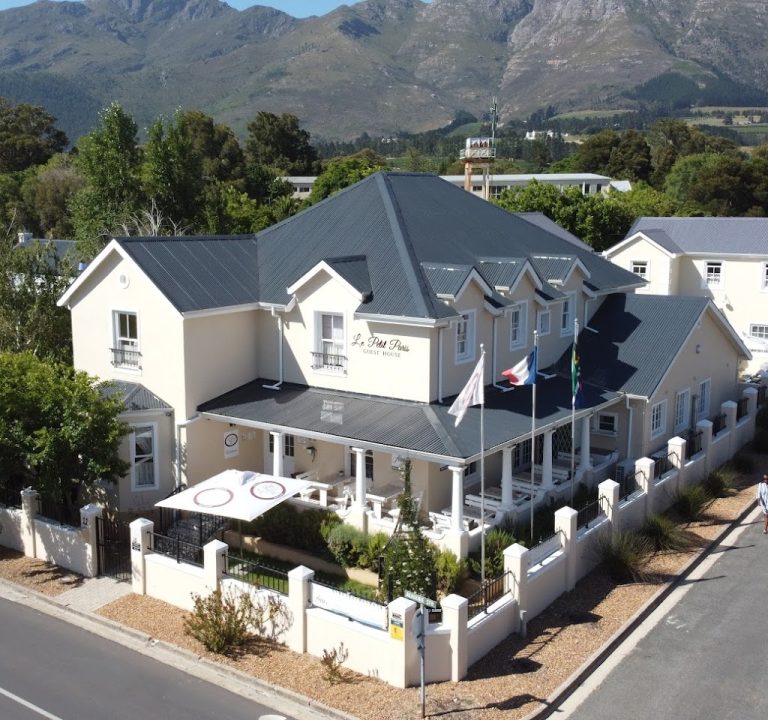
When choosing where to stay, consider the different areas within Franschhoek and how they relate to your plans. The historic village core is convenient for strolls to cafés, galleries and wine-tasting venues, with easy access to the main routes out to surrounding estates. Slightly outside the centre, you’ll find guest houses and boutique properties set along vineyard lanes or on hillside plots, offering expansive views, more seclusion and often larger outdoor spaces. For those seeking a more rural or farm-style atmosphere, several lodges and country houses are tucked into the valley’s splendour, sometimes with easy access to hiking trails and outdoor activities. If you’re visiting with family or a group, look for properties with multiple bedrooms, communal living spaces and child-friendly amenities.
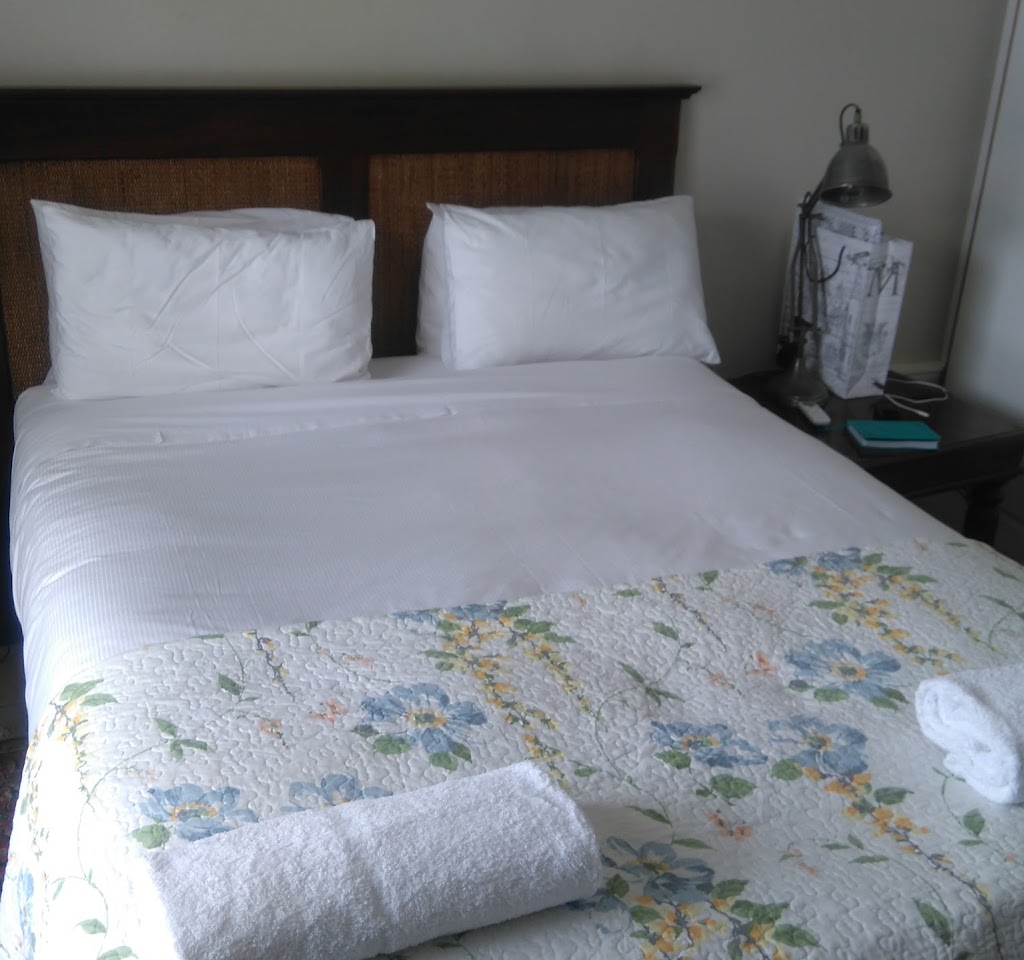
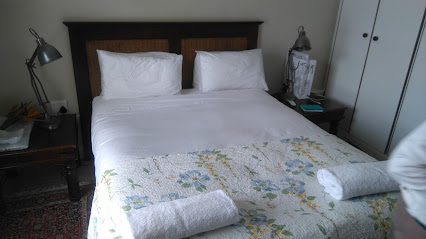
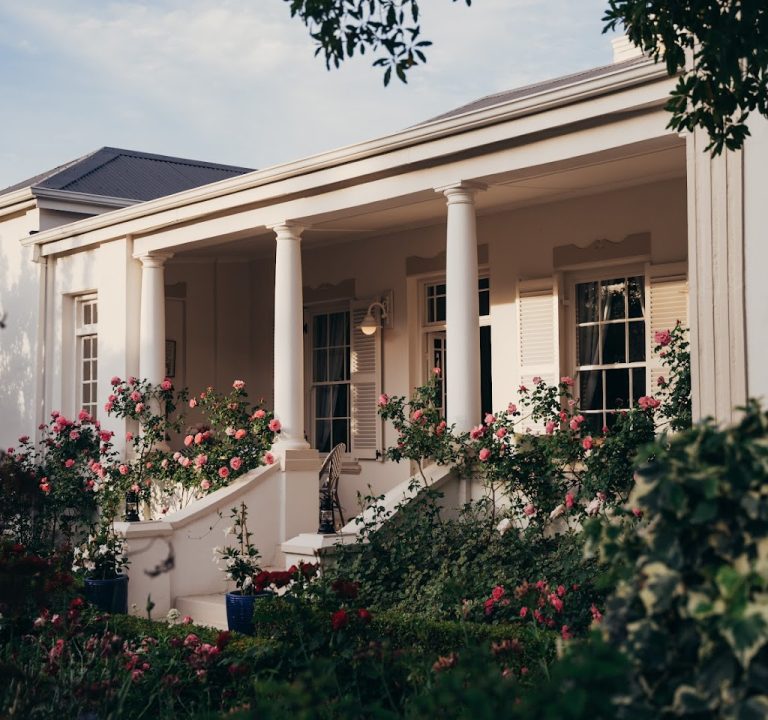
Typical amenities you can expect when booking Franschhoek accommodation include comfortable en-suite bedrooms, air conditioning or ceiling fans, reliable Wi‑Fi, parking, and a curated breakfast option. Many guest houses and boutique hotels also offer swimming pools, gardens for morning coffee or sunset drinks, and in-house lounges or libraries. Some properties may feature courtyards, terraces or private verandahs—perfect for a relaxed stay after a day of touring. If you’re planning wine family days or pairings, check whether your host can assist with arranging tastings, private tours or transfers, and if on-site dining is available or recommended by preferred local establishments.
Transport in Franschhoek is typically most straightforward with a car, allowing you to explore the surrounding wine estates, mountain passes and the region’s farm stalls at your own pace. If you’re not driving, many guest houses can assist with airport or town transfers, and local taxis or ride-hailing services are usually available. While the town is compact enough for pleasant strolls, having a vehicle helps you reach more distant estates and scenic viewpoints, especially if you plan day trips into the Helderberg area or to neighbouring towns. If you enjoy cycling or hiking, ask your host about bike rental options or nearby gentle trails that suit your fitness level and timetable.
The best time to visit Franschhoek depends on what you wish to experience. Spring (August to November) brings mild weather and vibrant vineyard colours, making it ideal for outdoor dining and walking the village streets. Autumn (late February to April) unlocks harvest season in the surrounding estates and a cosy, amber-toned landscape. Summer offers longer days and a lively restaurant scene, while winter can be quieter but still very pleasant, with crisp mornings and the chance of occasional rain. Regardless of season, it’s wise to book well in advance for peak periods, especially if you favour smaller, more intimate properties or want specific dining or tasting experiences.
To plan your stay effectively, consider these practical tips:
- Book early for sought-after rooms and experiences, particularly in spring and autumn when weather and flavours are at their best.
- Ask your host or concierge about the best routes for wine-tasting days, as many estates offer curated experiences or transfers.
- Clarify what breakfast includes and whether dinner is available on-site or recommended nearby, along with any dietary accommodations.
- Check for outdoor space and shade, particularly if you expect warm days; a pool or garden area adds a lot to a relaxing break.
- When packing, bring layers for variable weather and comfortable shoes for exploring the historic streets and vineyard paths.
- Respect local rules at wine estates and cultural sites; some venues operate by appointment or have dress codes for certain experiences.
- Consider combining a few nights in Franschhoek with a day trip to nearby towns or nature reserves to diversify your itinerary.
Attractions in the area are varied and generally accessible to visitors, broadly encompassing wine estates, art galleries, and the Huguenot legacy that shaped the town’s culture. You’ll also find a range of restaurants that reflect Franschhoek’s culinary strengths—from relaxed cafés and bakery treats to more formal dining rooms offering seasonal menus and locally sourced ingredients. In planning your days, aim for a balance between eating well, enjoying wine experiences, and taking gentle strolls through the valley or a short hike to enjoy the scenery. For up-to-date information and ideas, consult Franschhoek’s official tourism resources or your accommodation’s guest services, which can tailor suggestions to the season and your interests.
In summary, Franschhoek offers a well-rounded stay for travellers who value comfort, scenery and good food. By choosing the right area for your needs, understanding typical amenities, and planning transportation and dining in advance, you can craft a relaxed yet enriching visit that makes the most of this iconic Western Cape destination. For more inspiration and practical planning, see the town’s official tourism pages and browse accommodation options that emphasise warmth, charm and a personalised stay.