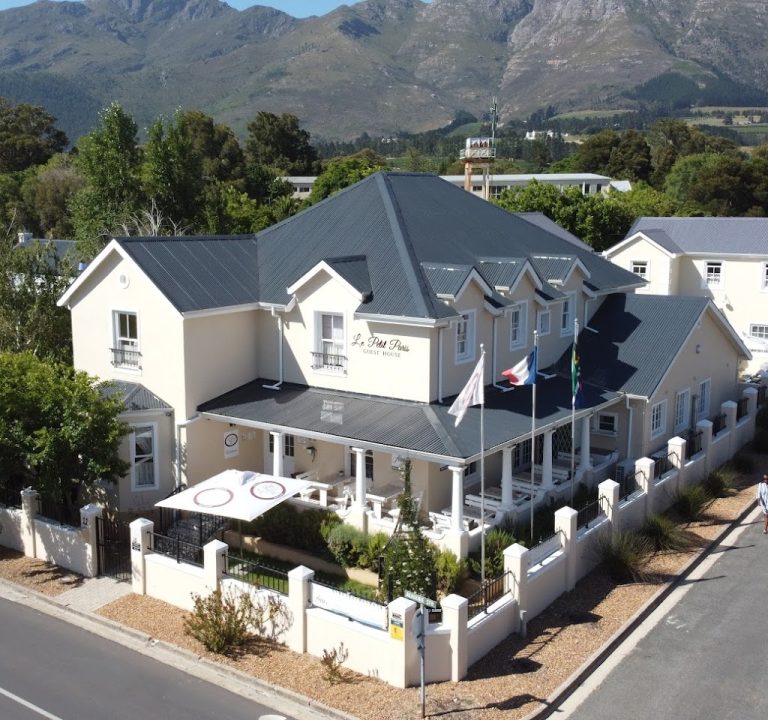
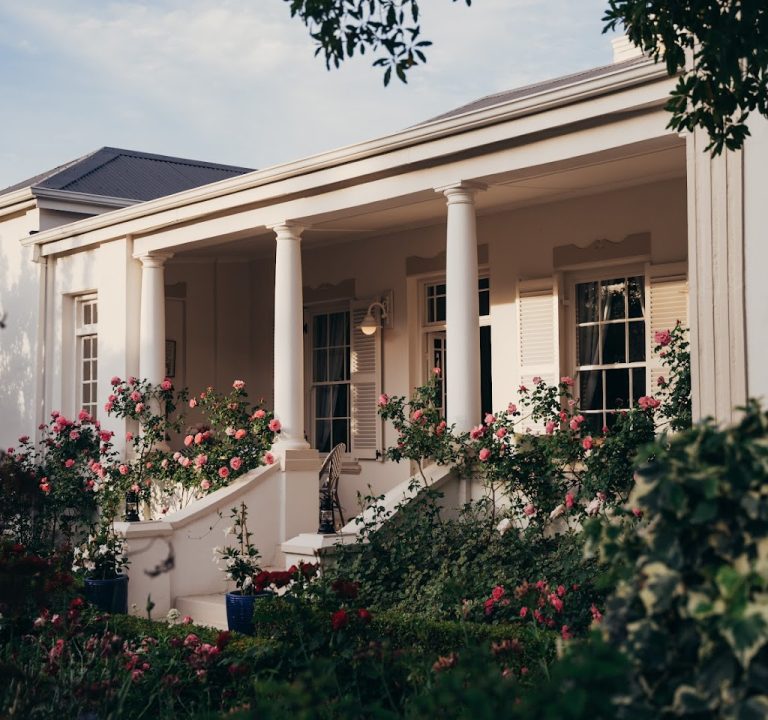
Explore Franschhoek: where comfort meets a vineyard-inspired escape
Franschhoek, nestled in the Western Cape, is an inviting blend of elegant accommodation, award‑winning dining and a landscape that inspires relaxed leisure. When planning a stay here, think about how you want to experience the valley: a peaceful base near the main village with easy access to restaurants and galleries, or a quieter countryside setting where vineyards and mountain views frame your mornings. The town’s compact size makes it ideal for walking and cycling, while close-by winery estates offer scenic drives and cellar door experiences for days that call for a slower pace.
Accommodation in Franschhoek ranges from intimate B&Bs and guesthouses to boutique hotels and stylish lodge-style stays. A well‑chosen property can feel like an extension of the landscape: sunlit courtyards, vine‑stock green views, and rooms that pair classic Cape Dutch charm with modern comfort. If you’re drawn to characterful spaces, a B&B or guesthouse—such as a property with traditional features, personalised hospitality, and a inviting common areas—can provide warmth and local insight. For those seeking a touch more privacy, self-contained suites or cottages on winery estates offer both convenience and a sense of retreat.
Consider the location within Franschhoek when you book. The village core is ideal for first‑time visitors who want to stroll between eateries, galleries and the picturesque Montpellier Bridge. If you prefer a serene retreat, look for properties along the valley floor or closer to the surrounding vineyards and grand views of the surrounding peaks. Some stays include terraces or balconies that let you watch the sun rise over the green slopes or the golden hour light on the mountain ridge—perfect for a contemplative morning with coffee or a glass of local wine at sunset.
Typical amenities you may encounter include comfortable, well‑furnished bedrooms with private ensuite bathrooms, guest lounges, and outdoor seating areas. Expect thoughtful touches like locally sourced bath products, a well‑stocked minibar or coffee setup, and reliable Wi‑Fi for some relaxed working or streaming after a day of exploring. Breakfast is often a highlight, with hearty, artisan options—hot toast, fresh fruit, pastries and hot dishes—served lazily in a sunny dining area or a courtyard. Some properties offer gardeners’ or vineyard views, while others curate a small library or board games for easy evenings in.
Transport in Franschhoek is straightforward but it helps to plan ahead. The village is walkable, making morning strolls to cafés and markets a pleasure, and many guesthouses arrange safe parking for guests with rental cars. If you intend to visit multiple wine estates or embark on day trips along the scenic routes, a car is advantageous. For those who prefer not to drive, some accommodation providers can help arrange guided tours or private transfers, allowing you to enjoy your day with ease and safety.
The best time to visit Franschhoek depends on what you seek. Spring and autumn offer mild weather, quieter streets, and clear light ideal for photography and gentle walking. Summer brings longer days and many outdoor options, but it can be busier in peak-season periods. Winter is cooler and wonderfully atmospheric, especially if you enjoy cosy evenings indoors by a fireplace with a glass of local wine. Whatever the season, the village’s cafés, bakeries and bakeries offer comforting fare—think light breakfasts, soups on cooler days, and seasonal menus that showcase local produce.
When planning your itinerary, balance your time between food and wine and a touch of culture. Franschhoek is famous for its culinary scene, with many restaurants concentrating on fresh, seasonal ingredients and farm-to-table sensibilities. You don’t need to chase the most famous names to have a memorable experience; instead, aim to dine in small, well‑regarded establishments where the focus is on quality and consistency. Pair meals with wines from nearby estates, where the terroir contributes to the character of each bottle. For a broader sense of the region, consider a gentle stroll through the village to browse art galleries, artisanal shops and a weekly market if the timing aligns with your stay.
Practical tips to help you optimise your stay include packing layers for changing temperatures, especially in cooler mornings and evenings, and keeping a light rain layer handy during shoulder seasons. Bring comfortable footwear for cobbled streets and gentle hikes, and consider a day bag for excursions to vineyards and viewpoints. If you’re travelling with family or friends, coordinate with your accommodation about shared spaces—some B&Bs and guesthouses offer private lounges or gardens that are ideal for group evenings. For longer stays, ask about laundry facilities and any included meals or refreshments beyond breakfast, as some properties offer add‑on options that can simplify your itinerary.
For accommodation in Franschhoek, establishments such as 7 on Union offer a welcoming base characterised by thoughtfully appointed rooms and friendly service within easy reach of the village core. When you explore options, look for properties emphasising a sense of place—where design nods to the Cape’s architectural heritage, and hosts provide helpful tips on where to eat, what to see, and how to move around the region. A well‑chosen stay in Franschhoek can be a gentle, indulgent stage on a broader Western Cape itinerary, delivering access to superb dining, world‑class wines, and scenery that feels intimately connected to the area’s unique heritage.
- Plan for a balanced mix of village strolls, vineyard visits and a couple of meals at well‑regarded restaurants.
- Choose accommodation with easy access to parking, or with arrangements for safe transfers if you plan to sample wines in the area.
- Pack layers, a comfortable pair of walking shoes, and a light rain jacket for shoulder seasons.