Staying in Mokopane, Limpopo: where to stay, what to do, and practical planning tips
Mokopane, in the Limpopo province, sits at a crossroads of culture, nature and wildlife experiences. The town serves as a convenient base for exploring the Highveld’s warm hospitality, nearby reserves and the surrounding rural landscapes. Whether you favour a graceful lodge, a cosy guesthouse, or a self‑catering stay, Mokopane offers options that can suit short breaks, family holidays, or longer getaways focused on nature and heritage.
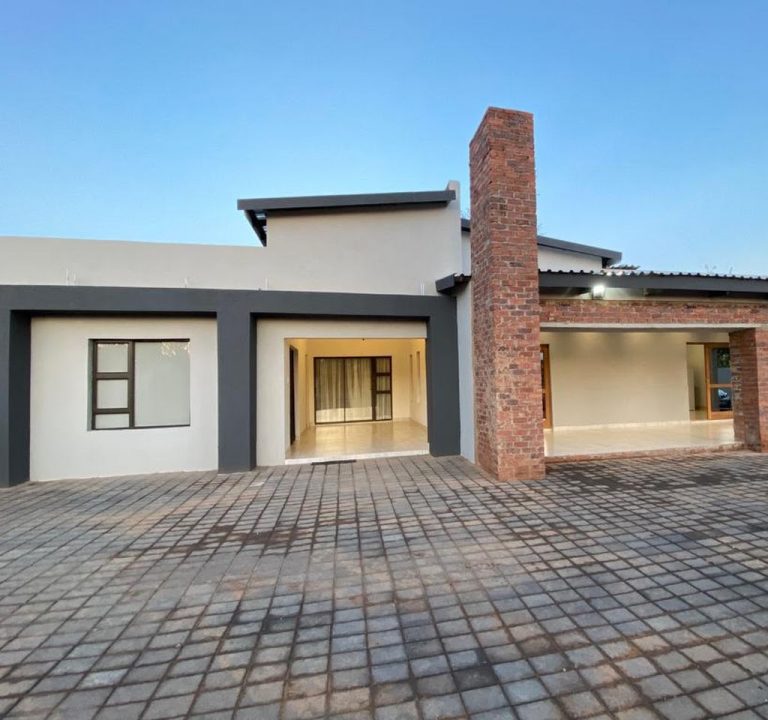
Accommodation in and around Mokopane ranges from wildlife‑focussed lodges to intimate B&Bs and self‑catering cottages. A lodge-style option can pair comfortable rooms with on‑site meals, curated guides, and a sense of seclusion within easy reach of the town’s services. For those who prefer a more homely atmosphere, guesthouses and smaller lodges often provide personalised service and practical conveniences, such as parking, en suite bathrooms, and quiet gardens. For travellers who value flexibility, self‑catering units and cottages offer the option to prepare meals at your own pace, while still being able to tap into local attractions and eateries for meals when desired.
When planning a stay, consider which areas best suit your needs. The town centre typically provides convenient access to shops, petrol stations and dining options, making it a practical base for guests who plan day trips. Outlying areas and lodge premises often offer more space, security and closer proximity to nature walks, birdlife and short safaris. If you’re driving, a property with easy vehicle access and secure parking will be particularly welcome. Proximity to the main highways and regional roads can also cut down time spent on transfers or long drives after a day of sightseeing.
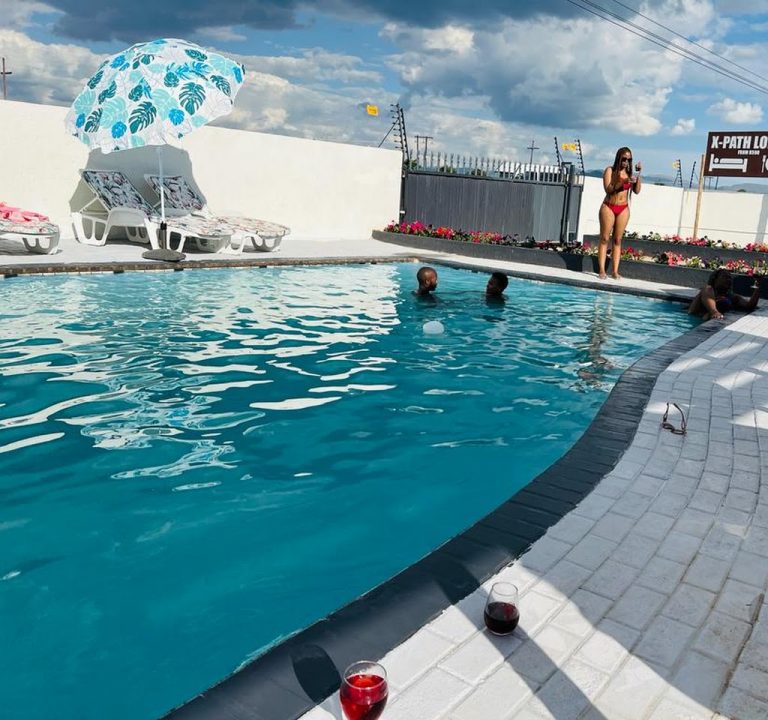
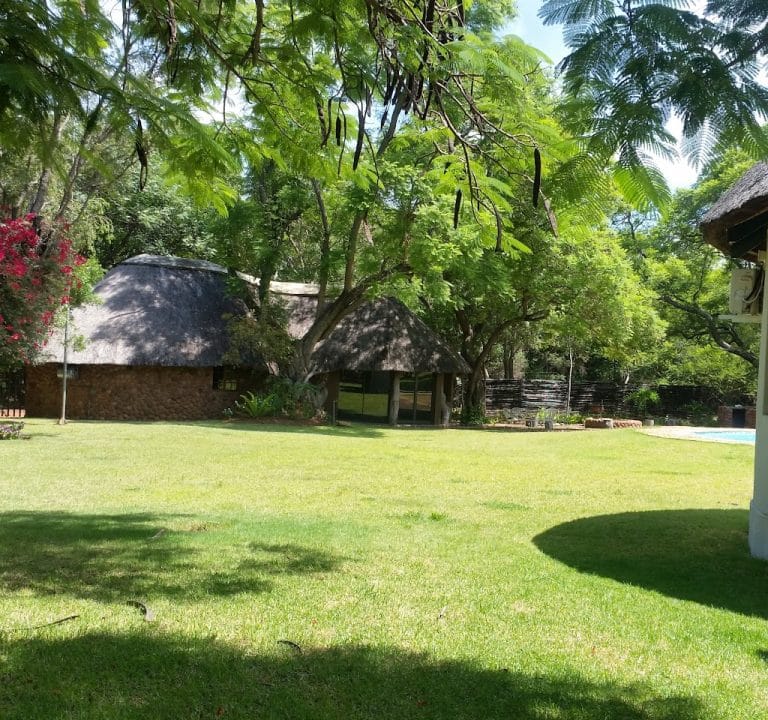
Typical on‑site amenities you may encounter include comfortable air‑conditioned rooms, en suite bathrooms, a private or shared outdoor pool, and breakfast or dinner options. Many lodges and guesthouses in the region place emphasis on warm, locally inspired hospitality, and some may arrange guided game drives, nature walks, or cultural experiences. Free Wi‑Fi, laundry facilities, and safe in‑room storage are also common, while thoughtful touches such as shaded outdoor spaces, verandas and garden areas can enhance a stay in the warmer months. When evaluating options, confirm what meals are included, the availability of 24‑hour reception, and whether the property can accommodate late arrivals or special dietary needs.
Getting around Mokopane and the surrounding areas is largely easeful with a car. South Africa’s road network in Limpopo is generally well‑maintained, and having your own transport makes it simpler to reach reserves, viewpoints and local restaurants at your own pace. If you’re relying on public transport, check with your accommodation about transfer services or guided tours, as these can offer a convenient way to explore without worrying about navigation. For longer stays, renting a vehicle for the duration of your visit is often the most practical option to access outlying attractions and day trips.
The best time to visit Mokopane and the central Limpopo area depends on what you want from your trip. The dry winter months (roughly May to September) tend to bring cooler evenings and mornings, clear skies, and pleasant daytime temperatures—great for outdoor activities and wildlife viewing. The wetter summer months can be lush and green, but humid conditions and afternoon showers are common, which may affect outdoor plans. In terms of wildlife, the region’s reserves and natural areas offer opportunities to observe birds and mammals in their natural habitats, with wildlife activity often adapting to the seasonal patterns. Malaria risk is low in the Mokopane area itself, but always check current health guidance and take standard precautions when travelling in rural parts of Limpopo.
Top activities and experiences nearby typically include nature and wildlife explorations, guided walks or drives in nature reserves, and learning about the region’s cultural and archaeological heritage. Visitors may also enjoy scenic drives through the surrounding landscapes, local markets and eateries that showcase South African flavours. For a balanced itinerary, mix a couple of nature‑led days with a culture‑oriented afternoon or evening, allowing time for relaxed meals and strolls in the town’s streets.
Practical planning tips for a smooth stay:
- Book accommodation with reliable hot water, sturdy bedding, and a comfortable bed, especially if you plan early starts or late nights.
- Ask about parking, security, and accessibility if you’re travelling with family or mobility needs.
- Check whether meals are included or available nearby; many lodges offer breakfast and optional dinners that showcase regional flavours.
- Clarify access times and any quiet hours, particularly in smaller properties that prioritise a peaceful atmosphere.
- Plan your day around regional openings—nature reserves and cultural sites may have specific visiting hours or seasonal access.
- Pack sunscreen, a hat and light layers for daytimes in the savannah sun, plus a light sweater for cooler evenings.
One recommended place to explore further is DiNgwako Lodge, a lodge option within the Mokopane area that provides a base for visitors seeking comfortable accommodation with proximity to the region’s natural and cultural offerings. For more information, visit the lodge’s official site at www.dingwakolodge.co.za.
When you plan a stay in Mokopane, balance the desire for restful downtime with opportunities to explore the region’s landscapes and heritage. With careful selection of a base, thoughtful packing, and flexible daily plans, your visit can be both relaxing and richly rewarding—leaving you with memorable experiences of Limpopo’s warmth, scenery and hospitality.