Mokopane, Limpopo: Accommodation, Attractions, and Practical Travel Tips
Mokopane, often a convenient base for exploring the Limpopo province, offers a range of accommodation that suits different styles and budgets. From rural guest houses to mid-range lodges and comfortable B&Bs, visitors can expect a warm welcome, friendly service and easy access to the surrounding countryside. A notable example of local charm is Mugombani Guest Farm, a guest house that embodies the area’s rural atmosphere while providing modern conveniences for a relaxed stay. When planning a visit, consider both the town’s amenities and the wider Limpopo landscape to choose a base that suits your itinerary and pace.
Areas to consider when choosing where to stay in Mokopane include the town centre for easy access to shops and eateries, and surrounding rural routes that put you closer to nature and farms. Town-centre stays are convenient if you enjoy short walks to markets, cafés, and essential services. For a more tranquil retreat, look for guest houses or lodges on the outskirts where you can enjoy garden spaces, birdlife and a slower tempo after day trips. If your plans include day trips to nature reserves or nearby towns, pick a location that reduces daily driving while still keeping you within a reasonable radius of your key destinations.
What to look for when booking a stay in Mokopane:
- Clear information about check-in and check-out times, as some smaller properties operate with flexible arrangements.
- Details on included amenities such as Wi‑Fi, air conditioning, hot water reliability, parking, and on-site dining options.
- Accessibility and suitability for any special needs, including easy access rooms or ground-floor options if required.
- Safety and security features, such as secure parking and well-lit communal areas.
- Proximity to main roads and transport links, especially if you plan to rent a car or use shared transfers.
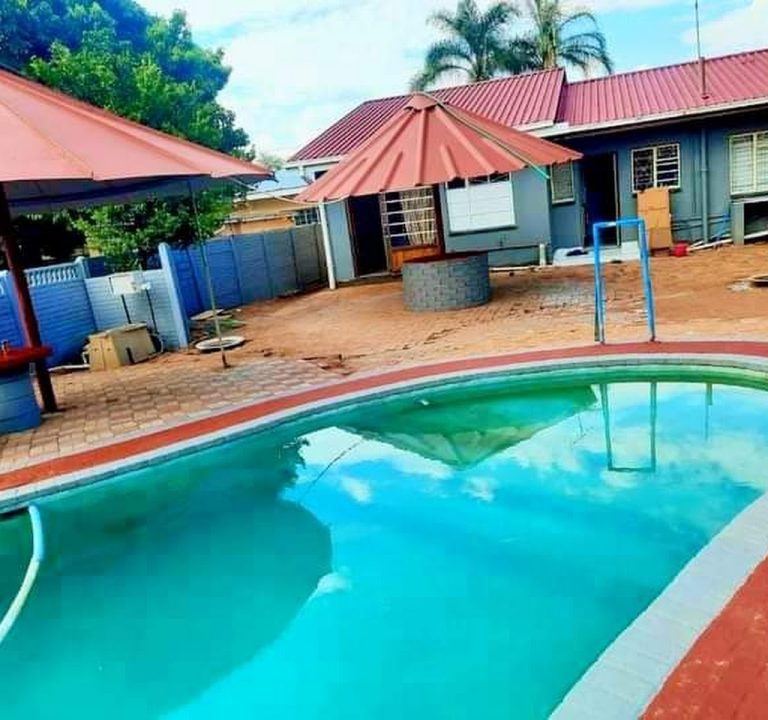
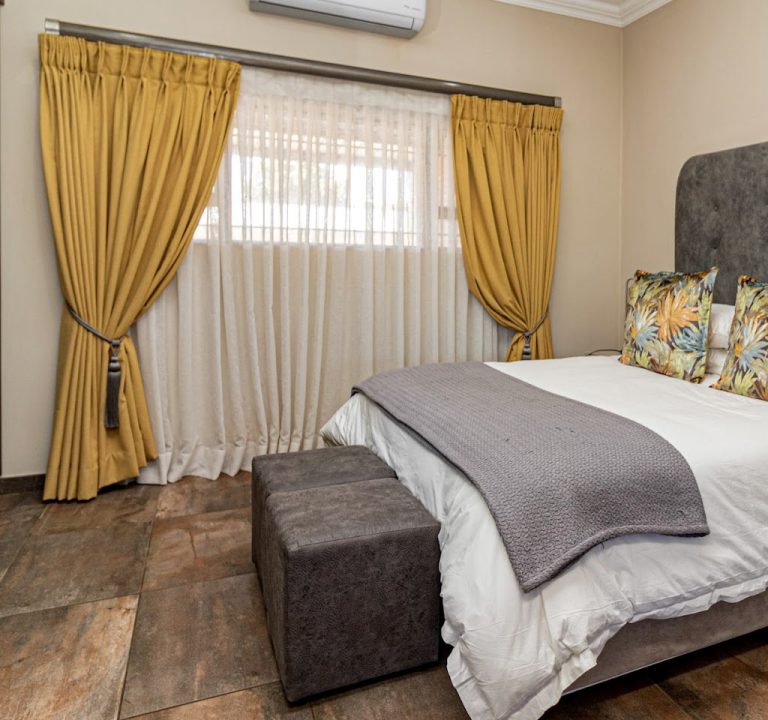
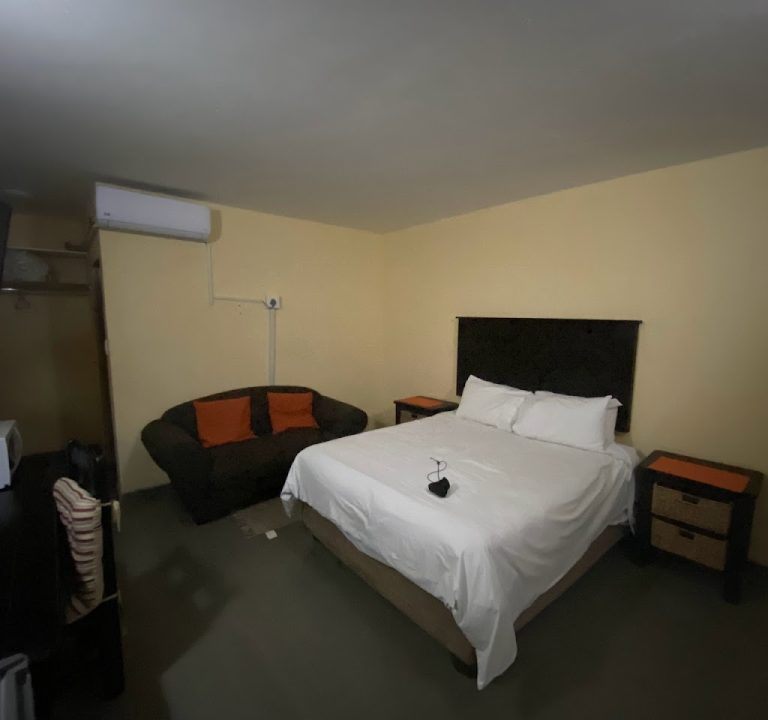
Typical guest-room or lodge-style amenities you might encounter include comfortable beds with quality linens, private or en-suite bathrooms, tea and coffee facilities, and pleasant outdoor spaces. Some properties in Mokopane offer on-site dining, outdoor seating areas, and options for half-board or full-board packages. If you are travelling with family or a group, ask about family rooms, interconnecting options, and whether there are child-friendly facilities or activities nearby.
Transport and getting around is straightforward in and around Mokopane. The town is served by regional roads that connect to neighbouring towns and attractions within Limpopo. Renting a car is often the most convenient way to explore at your own pace, especially if you plan to visit rural farms, nature reserves, or commercial areas outside the town centre. If you prefer not to drive, check whether your chosen accommodation can assist with airport transfers or arranged day trips with reliable local operators. Public transport is less dense than in metropolitan centres, so having flexible transport plans helps maximize your time.
The best time to visit Mokopane depends on what you want from your trip. The climate is generally warm to hot, with a distinct wet season in the summer months. Winter months can be mild and pleasant for outdoor activities, while summer unveils lush landscapes but can bring afternoon thunderstorms. For wildlife-watching or longer outdoor explorations, shoulder seasons can offer comfortable temperatures and fewer crowds. If you are visiting for agricultural experiences or farm stays such as Mugombani Guest Farm, confirm seasonal activities and harvest periods with your host well in advance.
Practical tips for a smooth stay in Mokopane:
- Book ahead during peak travel periods, particularly if you want specific accommodation flavours (rural guest houses, lodges with gardens, or farm stays).
- Water and electricity supply can vary at some rural properties; it’s wise to have flexible plans and a small backup plan for long transfers between venues.
- Bring sun protection, comfortable walking shoes and a light layer for cooler evenings—even in warmer months, evenings can be breezy.
- Carry local currency for small markets and informal eateries; many places now take card payments, but cash is handy in more rural spots.
- Respect local customs and wildlife-oriented areas; follow guidelines at any nature reserves or farm properties and avoid leaving food scraps in public spaces.
Nearby attractions and experiences are typically nature and countryside focused. Expect opportunities for day trips to nearby reserves, wildlife viewing from safe viewpoints, and scenic drives through rolling landscapes. Dining options generally favour relaxed, hospitable settings where you can enjoy hearty local meals or lighter fare with regional flavours. While individual restaurant names and prices vary, most venues emphasise a welcoming atmosphere, with the chance to sample seasonal produce and classic Limpopo dishes.
For planning resources, consult regional tourism information and official guides to Mokopane and Limpopo. These sources can provide maps, current events, and seasonal tips to help you design a balanced itinerary that combines comfortable stays with engaging experiences. Website links to local accommodations or regional tourism portals can offer direct inquiries and booking information, making it easier to tailor your trip to your interests and time frame.