Accommodation and Staying in Mokopane, Limpopo: A Practical Guide for Visitors
Mokopane, in the Limpopo province, offers a gateway to vast landscapes, wildlife vantage points and a relaxed pace that suits travellers seeking both comfort and adventure. Whether you are planning a short break or a longer stay, choosing the right base is key to making the most of your visit. Several neighbourhoods and settings provide distinct atmospheres—from quiet country lodges on the edge of town to bustling guesthouses closer to central Mokopane.
When choosing where to stay, consider how you will spend your days. If you plan early-morning game drives or long day trips, a location nearer major routes and petrol stations can save time. For those who value a peaceful retreat with easy access to shops and eateries, a more central or suburban setting within Mokopane may be preferable. If you are touring the region, a mix of stays—one countryside stay and a second closer to town—can balance convenience with scenery.
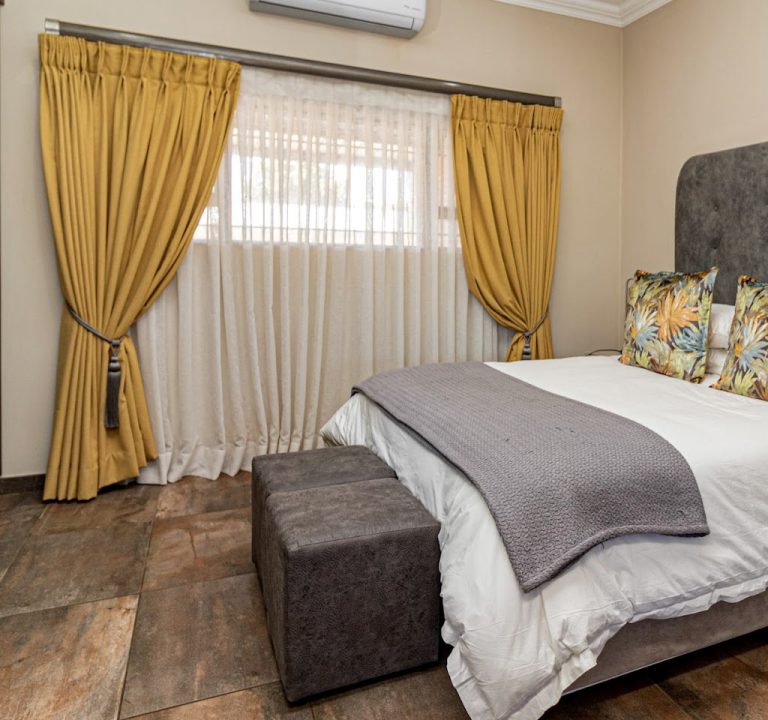
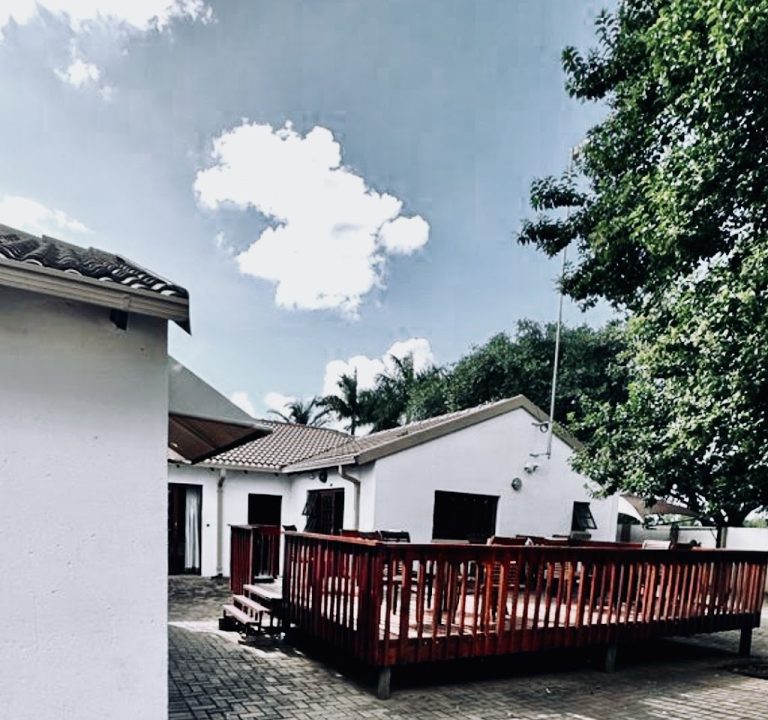
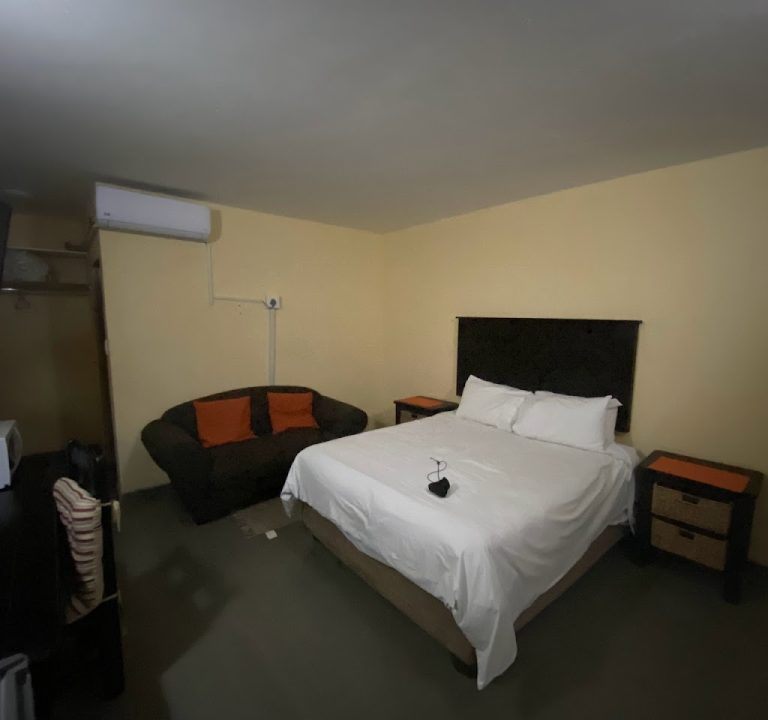
Leomaritia Guest House is an example of the kinds of accommodation options you might encounter. Such properties typically emphasise hospitality, comfortable rooms, and easy access to the surrounding countryside. When researching places to stay, look for hosts or managers who can offer local tips on routes, markets, and day trips, as well as guest facilities that fit your needs, such as on-site parking, reliable Wi‑Fi, and convenient self-catering options.
Typical amenities to expect include private or en-suite bathrooms, clean bedding and towels, secure parking, and daily housekeeping in many guesthouses and lodges. Some lodges or boutique hotels may provide additional touches—pools, outdoor seating areas, communal lounges, and breakfast services. If you require accessibility features, check beforehand whether rooms offer level access, wide doorways, or adapted bathrooms. Families may seek larger rooms or suites with sofa beds and space to move around, while solo travellers often favour compact rooms with a cosy workspace or reading nook.
Planning your transport in Mokopane is straightforward if you approach it with a practical mindset. The town is connected by major roads, and car hire is a common choice for visitors who want the flexibility to explore the surrounding reserve areas and countryside at their own pace. Taxis and ride-hailing services can be convenient for short trips into town or to nearby dining spots. If you are arriving by air, the closest larger city often serves as the transport hub for onward travel by road to Mokopane. It is worth confirming airport transfer options with your lodge or guesthouse in advance.
The best time to visit Mokopane depends on your aims. The region enjoys a warm climate for most of the year, with drier winter months generally offering clearer road conditions and pleasant daytime temperatures for outdoor activities. The rainy season brings lush scenery but may require more planning for field trips or drives on rural roads. For wildlife viewing, early mornings and late afternoons are typically the most productive times, regardless of the month. If you are visiting for cultural experiences or markets, check local calendars for weekly events and seasonal fairs to coincide with your stay.
To plan effectively, consider the following practical tips:
- Book in advance during peak periods, such as holidays and school holidays, to secure the best rooms and value-added options.
- Ask your host about local driving conditions, as some routes may be rural or unpaved in parts of the region.
- Request information on nearby attractions and dining options, and whether the accommodation can arrange guided outings or transfers.
- Check the availability of amenities that matter most to you—Wi‑Fi reliability for remote work, in-room storage for longer stays, or a pool for family holidays.
- Plan a flexible itinerary that allows time for spontaneous stops at viewpoints, markets, or cafes that are popular with locals.
Around Mokopane, visitors can enjoy broad, open landscapes and opportunities to experience rural Limpopo life alongside protected natural areas. Activities are typically low-key and nature-focused, ranging from nature walks and birdwatching to gentle drives and photography sessions. For dining, most visitors opt for local eateries and hotels offering hearty, well-made meals that showcase regional flavours. While it is helpful to know general trends about the town’s hospitality scene, exact menus, prices, or awards are best confirmed directly with the accommodation or venues at the time of booking.
In terms of attractions, plan for proximity to the natural surroundings and cultural experiences rather than specific, name-lit venues. Reserve a couple of mornings for outdoor time, and leave afternoons for leisurely meals or a short shopping excursion in Mokopane’s town centre. If you are exploring further afield, a day trip to nearby reserves or scenic routes can offer memorable views and wildlife encounters without the need for strenuous itineraries.
In summary, Mokopane provides a range of accommodation styles to suit different travellers—from intimate guesthouses such as Leomaritia to higher-end lodges close to the countryside. By considering where you stay in relation to your daily plans, what amenities you value, and how you will travel, you can craft a stay that feels effortless and enriching. A well-chosen base coupled with a relaxed, flexible itinerary will help you enjoy the best of Limpopo’s landscapes, community spirit, and warm hospitality.