Accommodation and experiences in Mokopane, Limpopo: planning a rewarding stay
Mokopane, a gateway to the Waterberg and a pocket of Limpopo rich with wildlife, culture and friendly hospitality, offers a balanced mix of comfortable guesthouses, lodges and mid-range hotels. When planning a stay, it helps to think about the rhythm you want: a relaxed town atmosphere with easy access to nature, or a base from which to explore the surrounding reserves and day trips. Consider staying in central Mokopane for convenience and access to services, or in nearby rural lodges that provide a more secluded escape with space to unwind after a day of exploration.
Accommodation in Mokopane tends to cluster in a few practical areas. The town centre offers guest houses and small hotels with straightforward layouts, reliable housekeeping, and breakfast options that showcase local flavours. If you prefer a more tranquil setting, look for lodges or guest houses on the town’s outskirts or along surrounding routes that lead to wildlife reserves and nature trails. When comparing options, note the setting (urban versus rural), the size of the property, and the type of guest experience on offer—some places focus on personalised hosts and intimate guest interactions, while others prioritise self-catering facilities and privacy.
Key amenities to look for include secure on-site parking, reliable Wi-Fi, and flexible meal options. Many Mokopane properties offer breakfast included in the rate, with some also providing simple dinner menus or kitchen facilities for self-catering. If you are travelling with family or a group, a property with multiple bedrooms or a self-contained unit can be a practical choice. For business travellers or longer stays, ask about work-friendly spaces, desk areas, and access to charging stations. Where wildlife or outdoor pursuits are on your agenda, check if the property can arrange guided excursions or partner with local operators for safaris, birding walks, or nature drives.
Transport in and around Mokopane is straightforward but depends on your plans. The town is navigable by car, and many guests choose to hire a vehicle to reach nearby reserves, markets and dining options. If you’re relying on public transport, plan for longer travel times between stops and confirm pick-up arrangements with your accommodation in advance. For longer trips within Limpopo, you may consider arranging transfers or shuttles through your host or a local travel operator. It can be worth staying somewhere with easy access to main roads to cut down on driving time between activities.
Best time to visit Mokopane aligns with your activities. The area’s warm, dry winters are pleasant for outdoor pursuits and game viewing, while summer brings fertile landscapes and dramatic afternoon thunderstorms. The shoulder seasons often offer comfortable temperatures and quieter attractions. If you are focusing on outdoor safaris or birdwatching, early morning and late afternoon are particularly rewarding times, whichever month you choose. Be mindful of local weather patterns and road conditions, especially after heavy rains, which can affect travel times to peripheral destinations.
One notable advantage of staying in Mokopane is the opportunity to sample a range of regional flavours. Local dining tends to reflect the broader Limpopo palate, with dishes that celebrate fresh produce and South African culinary traditions. Look for eateries that offer a mix of familiar staples and regional specialties, with options for vegetarians or guests seeking lighter meals. If you’re staying at a guest house or lodge, you may have access to a hosted dinner or a recommended meal plan, which can be a convenient way to enjoy local cooking without extra arranging. In planning restaurant visits, allow for variability in opening times and a preference for venues with secure parking or easy access from your accommodation.
Attractions in and around Mokopane offer a gentle discovery of the region. You might spend time exploring local markets, learning about the area’s cultural heritage, or taking short nature walks and wildlife-viewing drives organised by local guides. For a day trip, consider routes that lead to nearby nature reserves, viewpoints or rural communities where you can observe traditional crafts and explore scenic landscapes. When researching activities, keep an open mind about guided experiences—many operators tailor itineraries to varied fitness levels and interests, from leisurely nature walks to more active day safaris.
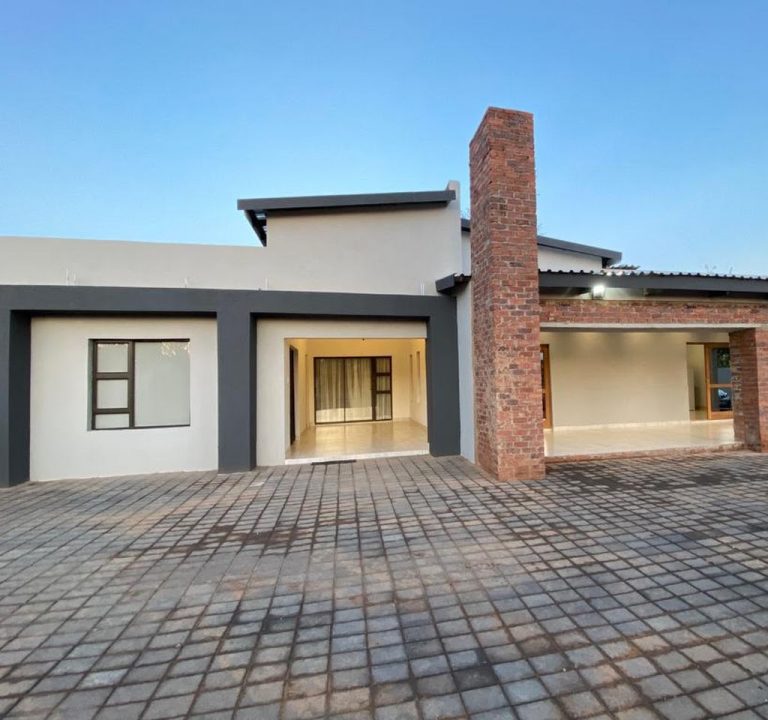
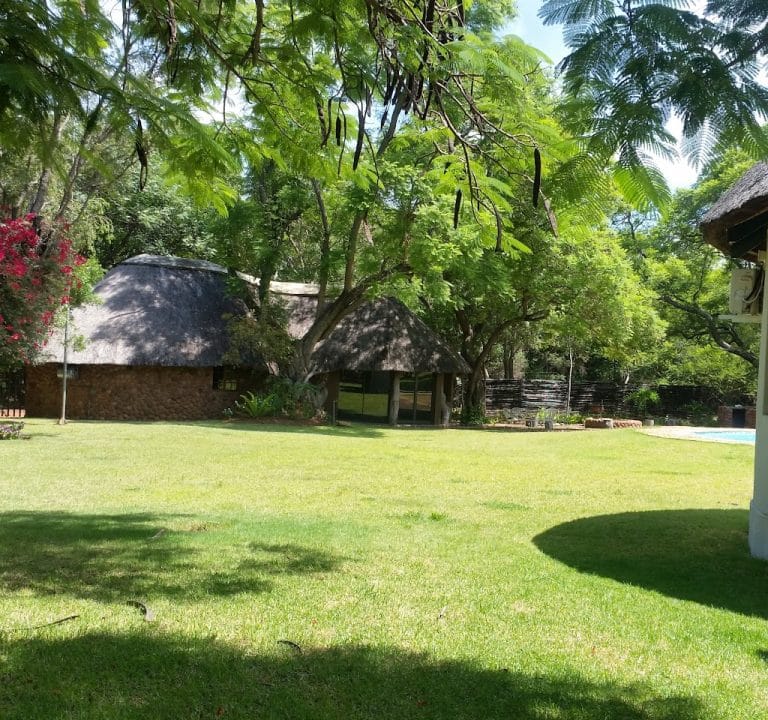
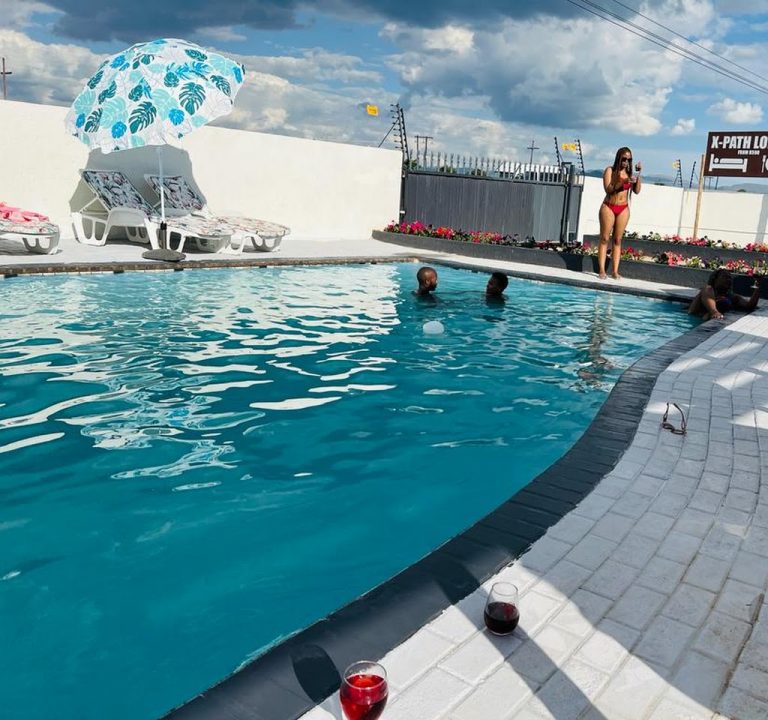
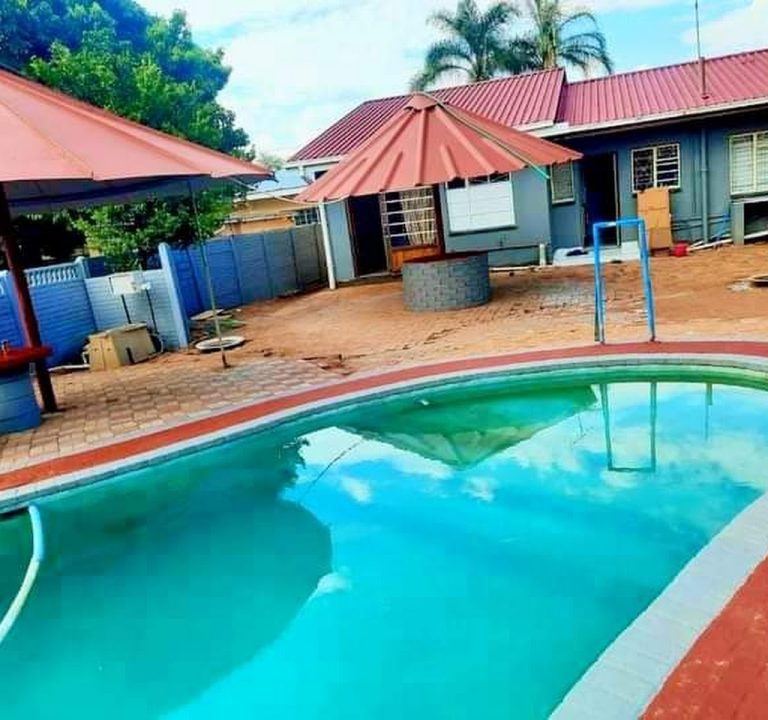
Pfamoni villa guest house is an example of the type of hospitality you may encounter in Mokopane. While each property has its own character, guest houses like Pfamoni typically offer comfortable rooms, friendly service, and a compact set of facilities designed to make short and longer stays enjoyable. For potential guests, it is sensible to check what is included in the rate—especially breakfast options, parking arrangements, and any on-site leisure spaces such as a garden or seating areas for evening relaxation. If privacy and a personalised approach are priorities, look for independent or semi-detached units within guest houses, which can provide a home-away-from-home feel with the convenience of professional management. For updates or booking details, consult the property’s official page or trusted travel platforms, and compare with other Mokopane options to find the best fit for your travel style.
Finally, planning a stay in Mokopane benefits from a practical checklist: confirm your booking in advance, especially during peak travel periods; verify the distance to your planned activities and whether transport can be arranged through the accommodation; review cancellation policies and any minimum stay requirements; and note any special requests you may have, such as dietary needs or accessibility considerations. A well-chosen base in Mokopane can make day trips feel effortless, while city comforts and local hospitality create a memorable sense of place throughout your visit.