Staying in Mokopane, Limpopo: where to stay and what to do
Mokopane, often called Potgietersrus in older guides, sits along the rail and road corridors of Limpopo, offering a convenient base for exploring northern South Africa. Visitors typically combine a relaxed stay with easy access to nature reserves, wildlife encounters and a taste of local culture. Whether you are seeking a stylish hotel, a cosy guesthouse, or a lodge with a sense of place, Mokopane provides a range of options that suit different itineraries and budgets. A stay here can be as active or as leisurely as you wish, with comfortable rooms, practical amenities and straightforward transport links to surrounding reserves and towns.
When choosing accommodation in Mokopane, consider the area that best fits your plans. The town centre tends to be convenient for access to shops, dining and services, while properties on the fringe or closer to the open countryside offer a quieter atmosphere and more immediate access to nature trails. If you are planning day trips to nearby reserves or scenic viewpoints, a hotel or guesthouse with easy road access and convenient parking can save time and reduce stress. For longer stays, look for properties that offer self-catering options or a flexible dining arrangement so you can balance rest days with longer explorations.
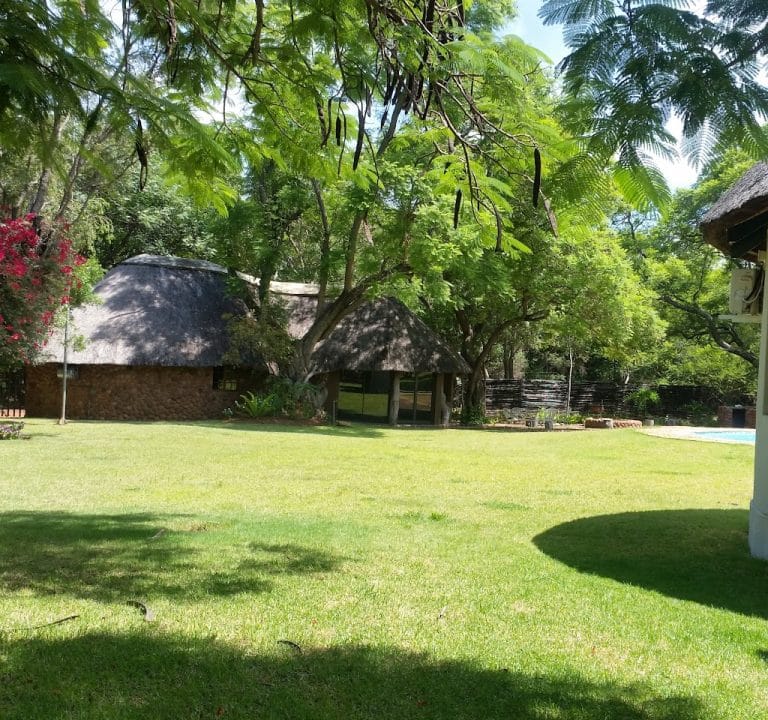
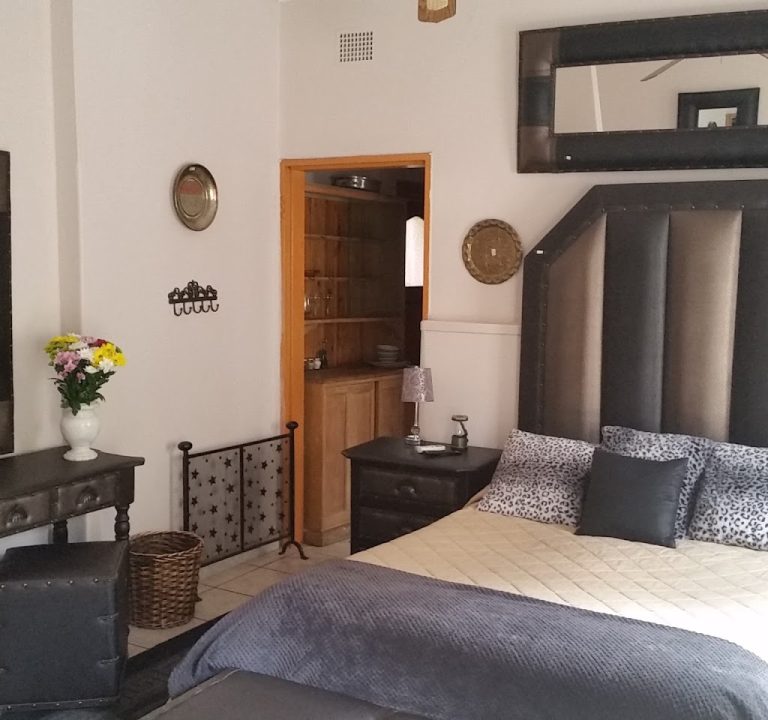
Key features to look for when you book include reliable wi‑fi, on-site dining or nearby options, secure parking, and friendly staff who can help with itinerary suggestions and transport arrangements. Many Mokopane properties provide comfortable, well‑equipped rooms, en-suite bathrooms, air conditioning or fans, and practical amenities such as laundry services and casual lounges. If you are travelling with family or a group, ask about interconnecting rooms or larger suites, and whether there are outdoor spaces or shaded terraces where you can relax after a day on the road or in the heat.
Practical planning tips for a Mokopane stay:
- Transport: A car is often the most convenient way to explore Mokopane and the surrounding landscapes. Confirm parking arrangements, and if you will rely on taxis or transfers, check with your accommodation about recommended providers and safety considerations.
- Best time to visit: The dry winter months tend to bring clearer skies and comfortable daytime temperatures, which can be ideal for outdoor activities. The wet summer season offers lush landscapes and birds in chorus but may bring short, intense downpours. Pack layers and a light rain jacket for variable weather.
- Planning nearby experiences: In this region you can expect a mix of nature trails, birdwatching opportunities, and cultural glimpses. For wildlife-focused trips, discuss with your host or front desk which reserves or viewpoints are most accessible from your base, and whether day trips can be arranged or recommended.
- Dining and meals: If your accommodation offers meals, this can simplify planning, especially after a day of exploration. Alternatively, ask about nearby eateries that reflect local flavours and offer safe, welcoming options for travellers.
- Health and safety: Bring any personal health supplies you might need, and check current guidance on malaria or other precautions for the region. Your host can provide locality-specific advice and emergency contacts if required.
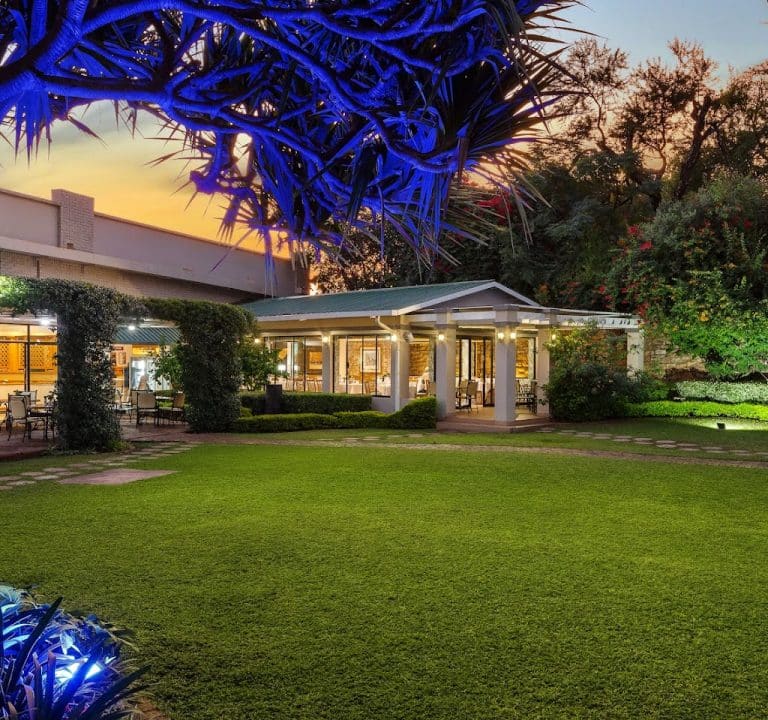
For places to stay that balance comfort with a sense of place, a well-regarded hotel option in the area can offer dependable service, a central location and easy access to major routes. Park Hotel Mokopane, for example, represents a contemporary stay with on-site conveniences and a straightforward approach to accommodation in the town centre. It is worth visiting the property’s official website to confirm current room types, facilities, and any seasonal offers: Park Hotel Mokopane.
Attractions around Mokopane are typically encountered in a generous day‑trip radius. Nature reserves and scenic landscapes offer opportunities for gentle walks, birding and wildlife viewing from accessible paths. Visitors often spend time enjoying the outdoors, spotting distinctive flora and fauna, and learning about the rural heritage that characterises this part of Limpopo. Museum displays, cultural centres and guides in nearby towns can provide context about the region’s history and present-day life, helping visitors gain a fuller picture of their surroundings without long detours.
Dining options in and around Mokopane range from casual cafés to sit-down restaurants, many offering simple, well-prepared meals and a chance to sample local produce. When planning where to eat, consider reservations during peak periods and ask staff for recommendations on dishes that showcase regional ingredients. If you want to venture a little farther, you can usually approximate a loop that includes a scenic morning drive, a relaxed lunch, and a sunset return to your accommodation—allowing time to unwind and prepare for the next day’s plans.
In short, Mokopane provides an inviting base for a visit to Limpopo with a practical mix of comfortable stays, straightforward transport, and access to nature and culture. By choosing a well‑located property, prioritising reliable amenities, and planning days with a flexible approach, you can enjoy a balanced itinerary that suits both downtime and discovery. Whether your focus is a short break or a longer exploration of the region, Mokopane can offer an accessible and rewarding stay that complements the natural beauty and warm hospitality of Limpopo.