Accommodation and planning your stay in Cape Town, Western Cape
Cape Town offers a diverse range of places to stay, from boutique guesthouses tucked into historic streets to contemporary hotels with ocean views. When planning a visit, think about which neighbourhood aligns with your interests and how you want to move around the city. The city’s geography—tabletop mountains, coastal plains and harbour-side stretches—means different areas offer distinct vibes, activities and access to attractions.
Neighbourhoods to consider include the City Bowl and central business district for easy access to sights, museums and night life; the V&A Waterfront and Green Point for harbour views and strolls along the coast; the Atlantic Seaboard and Camps Bay for expansive beaches and sunlit sunsets; and Constantia or Hout Bay for a quieter, leafy escape with easy access to wine estates and nature trails. Kalk Bay and Muizenberg on the False Bay coast provide a nautical charm and a slower pace, with excellent seafood and coastal walks. If you prefer convenience of public transport and walkability, a well-located property in central or Waterkant/Green Point can reduce the need for long car journeys.
When choosing accommodation, look for three key features: location relative to your planned activities, comfort and safety, and the flexibility of services. A Denises Guest Suite, for example, could be ideal if you want a private space with local recommendations, quiet rooms and easy access to the city’s sights. Consider whether a stay includes parking (where you’ll need it), breakfast options, and whether the property offers assistance with arranging airport transfers or guided experiences. For families or groups, apartments or suites with separate living areas and kitchen facilities can be practical and budget-friendly.
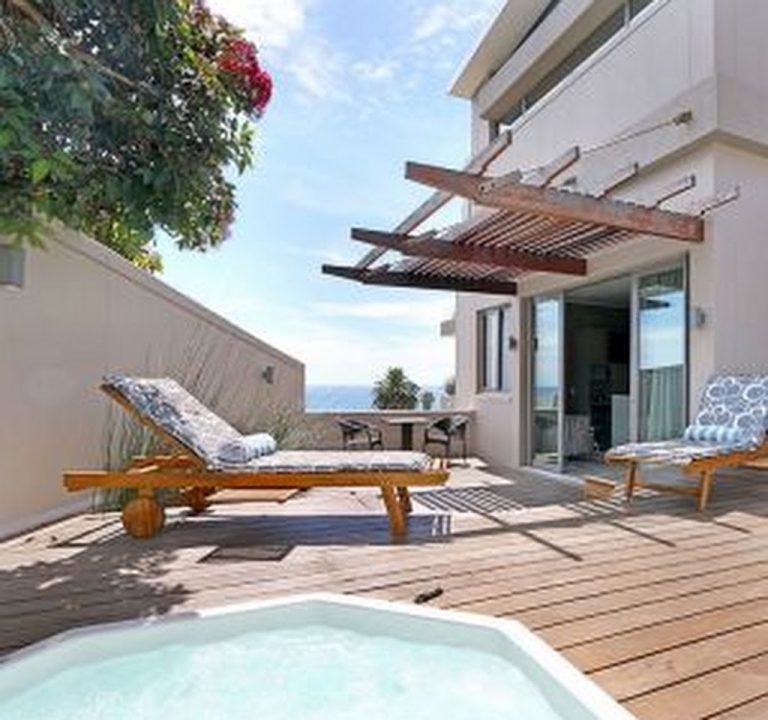
Typical amenities to expect include air conditioning or heating, reliable wi‑fi, friendly reception or front desk service, daily housekeeping, secure access, and in-room conveniences such as a coffee station or minibar. Some properties boast plunge pools, sea or mountain views, on-site restaurants, or terraces for al fresco dining. If you have mobility needs, check elevator access, ground-floor rooms, and step-free routes. For longer stays, a kitchenette or kitchenette-equipped room can make a meaningful difference to comfort and budgeting.
Transport in Cape Town is typically straightforward but varies by area. The MyCiTi bus network serves many central and coastal routes, while Uber, Bolt and metred taxis provide door-to-door options. If you plan to explore beyond the city, a rental car offers the most flexibility, particularly for day trips to the Cape Winelands, the Cape Peninsula, and nature reserves. Some guesthouses and hotels offer shuttle services to key sights or the airport, which can simplify travel logistics.
The best time to visit Cape Town depends on your priorities. Summer (November to March) brings warm days, coastal breezes and long daylight hours, ideal for beaches and outdoor adventures. Shoulder seasons (October to November and March to April) often provide milder weather, fewer crowds and good conditions for hiking and wildlife watching. Winter (June to August) can be cooler and wetter, but it’s also a season for cosy inland dining and fewer crowds at some attractions. Regardless of the season, plan for afternoon winds along the coast and be prepared for microclimates—weather can change quickly from sea to mountain.
Practical planning tips to help you get the most from your visit:
- Book in advance for popular areas and peak times, especially over school holidays and long weekends.
- Decide whether you want a base near the city, the coast, or the winelands, and balance distance to activities with travel time.
- Check cancellation policies and whether the property offers flexible options in case plans change.
- Look for amenities that suit your itinerary—a kitchen if you prefer self-catering, or on-site dining if you want convenience after long days.
Attractions and experiences in Cape Town tend to be easy to tailor to interests. Iconic natural landscapes such as Table Mountain and the Cape Peninsula provide dramatic viewpoints and photo opportunities. Cultural and historical experiences, museum visits, markets, and waterfront strolls offer lighter days with restful breaks in between. For dining, Cape Town’s restaurant scene is widely varied, with options that highlight seafood, modern South African flavours, and contemporary cuisine—many venues also offer stunning city or harbour views. When choosing activities, consider guided options for insight into geology, biodiversity, and local history, or opt for independent exploration to slow down and soak in the scenery at your own pace.
Useful links for planning and inspiration include official tourism resources and regional guides for Cape Town and the Western Cape. These sites can help you map routes, discover neighbourhoods, and find experiences that suit your interests. For example, you can explore accommodation ideas across the city and book directly through hotel, guesthouse, or boutique property websites, or browse regional portals that compile listings and visitor information. A well-curated stay combines comfortable accommodation, strategic planning of days, and time to enjoy Cape Town’s natural beauty, vibrant streets, and exceptional food scene.