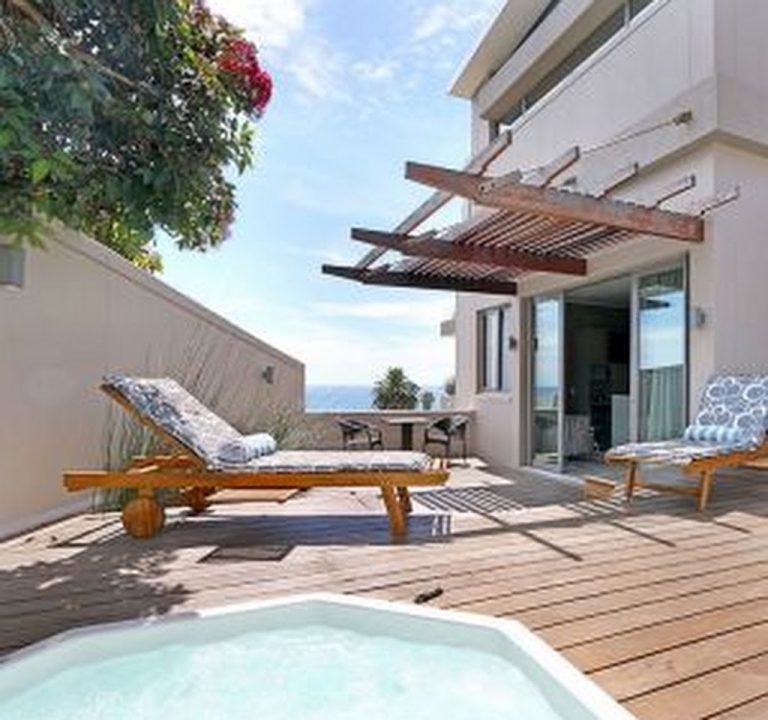
Camps Bay Accommodation: A Practical Guide to Staying in Cape Town, Western Cape
Cape Town offers a vibrant blend of scenery, culture and cuisine, with Camps Bay serving as a stylish gateway to the Atlantic Seaboard. When planning a stay, travellers often look for comfort, convenience and access to both beaches and city sights. Whether you prefer a guest house with personal touches, a boutique hotel with sea views, or a self‑catering apartment for extended stays, there are options to suit every itinerary and budget.
Areas to consider depend on what you want from your trip. Camps Bay itself is famed for its long, white‑sand beach and dramatic mountain backdrop, and it pairs well with easy access to the city’s other premier neighbourhoods. Sea Point and Green Point offer a lively promenade, comfortable apartment stays and a convenient base for hop‑on visits to the V&A Waterfront and the Cape Town central business district. When you want a more secluded escape, Constantia and the Constantia Valley provide vineyard ambience and country‑style guest houses just a short drive from coastal sights. For a full urban experience, the City Bowl and downtown areas place you within walking distance of museums, markets, and a wealth of dining options.
What to look for when booking accommodation in Cape Town can make a big difference to your stay. Prioritise options that offer secure parking or easy street parking if you plan to hire a car, as some streets around Camps Bay can be narrow and busy at peak times. Check room layout and facilities such as en‑suite bathrooms, reliable Wi‑Fi, air‑conditioning or heating, and enough power outlets for devices. If you plan to spend mornings on the beach or afternoons sightseeing, a guest house or boutique hotel with a welcoming breakfast service or a well‑equipped kitchenette can save time. A private balcony or garden, a swimming pool, and easy access to public transport are also popular features that enhance comfort and convenience.
Typical amenities you might encounter include complimentary Wi‑Fi, daily housekeeping, off‑street parking, and 24‑hour security for peace of mind. Some guest houses in Camps Bay go further with personalised recommendations, sunset happy hours, or guided excursions with trusted local operators. For longer stays, self‑catering apartments or small houses offer flexibility for families or groups, with fully equipped kitchens and laundry facilities. If you value sustainability, look for properties with eco‑friendly practices such as energy‑efficient appliances and water‑saving measures.
Transport in Cape Town is relatively straightforward to navigate. The MyCiTi bus network covers many key routes along the Atlantic Seaboard and into central areas, while Uber and other ride‑hailing services provide flexible door‑to‑door options. If you plan to explore the coastline or winelands beyond the city, arranging a private transfer or renting a car can be advantageous. Ask your host or hotel about parking policies, vehicle charging options if applicable, and the best drop‑off points for accessing popular sights.
Best time to visit Cape Town for accommodation value and weather is typically during the shoulder seasons—April to May and September to November—when the climate is pleasant and crowds are thinner than in peak summer. December to February offers long sunny days ideal for beach time, but be aware that popular spots can be busy and rates may rise. Winter (June to August) is cooler and quieter, yet the city showcases gourmet dining, museum highlights and whale watching at nearby viewpoints during certain periods. Regardless of when you go, think about sea winds, the possibility of microclimates, and the need for sun protection as conditions can change quickly along the coast.
When planning activities, consider combining natural attractions with cultural experiences. Within a short drive, you can access iconic mountains and dramatic coastal scenery, as well as vineyards that showcase the Cape’s famed wine routes. In the city, you’ll find markets, galleries and eateries that emphasise local produce and flavours. Dining options vary from casual cafés to refined restaurants that celebrate regional produce, with menus that often emphasise fresh seafood and South African classics. If you enjoy markets, seek out waterfront or neighbourhood markets where you can sample local snacks, crafts and street food in a relaxed setting. For a quiet day, beaches with lifeguard‑patrolled sections and scenic pathways provide a scenic backdrop for a stroll or a family picnic.
Practical tips to make the most of your stay:
- Book accommodation with secure access and clear cancellation policies.
- Check proximity to the beach, grocery stores and public transport stops.
- Ask about breakfast options, kitchen facilities and laundry services if you will be staying for more than a few days.
- Expect variable winds; pack a light jacket and sun protection regardless of the season.
- Plan day trips to iconic viewpoints and nature reserves early to avoid crowds.
For a seamless planning experience, consider starting your search with the Camps Bay area as a base, then exploring nearby neighbourhoods for a mix of sea views, dining variety and easy access to Cape Town’s renowned sights. A balanced itinerary might include mornings on the coast, afternoons exploring the city’s cultural heritage, and evenings dining at restaurants that celebrate Cape Town’s diverse culinary scene. For more information on local tourism and official navigation tips, you can visit reputable travel resources and tourism boards online.
Whether you seek a cosy guest house with personalised touches, a stylish boutique hotel with sea views, or a self‑catering apartment for a longer stay, Cape Town’s accommodation options along Camps Bay and the surrounding areas offer a convenient and memorable base for discovering one of South Africa’s most captivating destinations. Cape Town Tourism provides further guidance on city attractions, seasons and practical travel planning to help you tailor your visit to your interests.