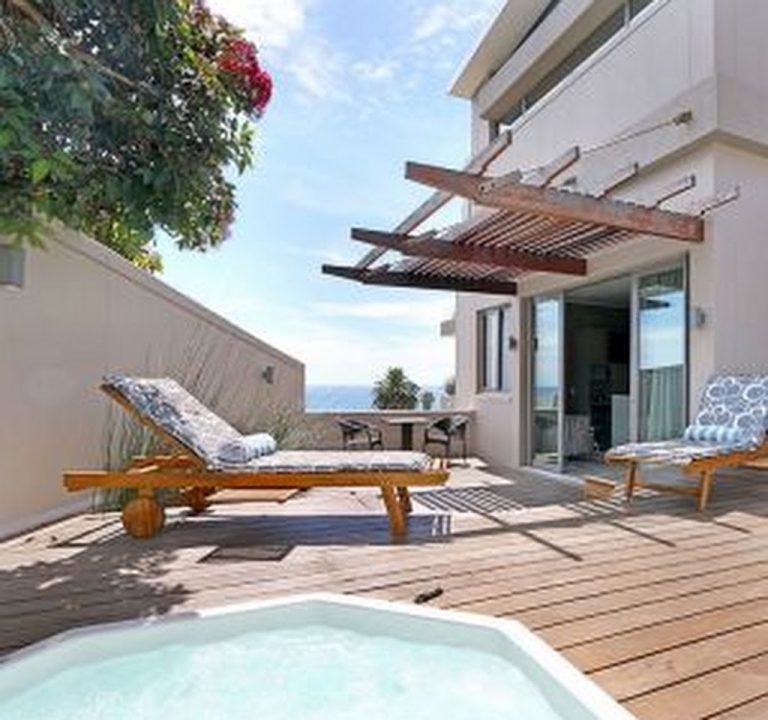
Accommodation and experiences in Cape Town: plan your stay with ease
Cape Town, set against a backdrop of mountains and the Atlantic Ocean, offers a diverse range of places to stay, from intimate self-catering studios to boutique guesthouses and contemporary city hotels. Whether you are seeking a seaside escape on the Atlantic Seaboard, a vibrant city base in the City Bowl, or a tranquil retreat near wine country, careful planning will help you maximise your time and enjoy the best of the Western Cape.
When choosing where to stay, think about what matters most to you: proximity to the sights, ease of access to transport, or a particular neighbourhood vibe. Self-catering options, such as Blue Views Studios, can be ideal for travellers who want flexibility in mealtimes and the option to prepare breakfasts or light meals at their own pace. Look for clearly described facilities, including kitchen essentials, Wi-Fi access, laundry options, and parking arrangements. If you prefer a hotel or guesthouse, consider whether breakfast is included, whether there is a 24-hour front desk, and how much space you will have for your group.
Neighbourhoods to consider include:
- City Bowl and the central business district, offering easy access to museums, markets, and nightlife, with a mix of boutique hotels and modern apartments.
- V&A Waterfront and Green Point, where many apartments and hotels are close to the harbour, shops, and coastal walks.
- Atlantic Seaboard coastal villages such as Camps Bay and Clifton, known for dramatic ocean views and sandy beaches; ideal for travellers who prioritise scenery and sunset walks.
- Constantia and Kirstenbosch for a quieter, leafy stay near nature and wine estates, suited to couples and families seeking a relaxed pace.
- Woodstock and Observatory for a more bohemian, foodie-friendly scene with easy access to public transport and contemporary eateries.
Typical amenities to look for include reliable Wi-Fi, a well-equipped kitchen or kitchenette, good heating or air conditioning, secure parking or easy public transport access, and clear information about nearby supermarkets, cafés, and laundries. In Cape Town’s coastal climate, air conditioning or ceiling fans in warmer months, and heaters in cooler months, can make a big difference to comfort. If you are visiting in peak season, check how well your accommodation handles crowds, noise, and access to the property; some places offer quiet floor plans or soundproofed rooms, which can be worth prioritising for a restful stay.
Transport is a practical consideration for planning your itinerary. The city benefits from a reliable MyCiTi bus network that links major districts and tourist hubs, but many visitors also find hiring a car convenient for exploring Winelands, the Cape Peninsula, and longer day trips. If you plan to stay near the coast, note that parking can be scarce in busy areas, and some streets have restrictions at certain times. For short visits, guided tours and hop-on-hop-off options can be a comfortable way to cover highlights without the stress of navigating traffic. Many self-catering and boutique properties will provide local tips on public transport stops, taxi services, or preferred routes for safe travel around the city after dark.
The best time to visit Cape Town maximises both scenery and comfort. South African summers (December to February) bring long days and warm seas, ideal for beach time and outdoor exploration, but can be busy, with higher rates and crowds. Shoulder seasons—late spring (September to November) and early autumn (March to May)—often offer milder weather, fewer crowds, and good value. Winter (June to August) is cooler and wetter, but still pleasant for city sightseeing, cultural venues, and indoor experiences, with the added charm of the surrounding mountains visible in crisp air.
Top days out and experiences typically available to travellers include iconic cable-car trips up Table Mountain, scenic coastal drives along Chapman's Peak or the Atlantic coast, and visits to world-renowned botanical gardens and nature reserves. In terms of self-guided exploration, you can stroll historic districts, browse markets and craft stalls, or take a gentle harbour cruise to view the city from the water. For those who enjoy wine, the nearby Constantia and nearby Stellenbosch and Franschhoek valleys offer day trips with guided tastings and vineyard lunches. Food lovers will discover an evolving dining scene across the city, with a mix of casual eateries, waterfront venues, and fine-dining experiences to suit a range of budgets—many places emphasise seasonal ingredients and South African flavours in a relaxed setting.
Practical tips to help you plan your stay:
- Book in advance for peak periods and consider flexibility in dates to secure better rates.
- Check security features and access arrangements, especially for self-catering apartments and boutique properties.
- Plan your day trips with weather in mind— coastal winds can be strong, particularly in the afternoons.
- Look for properties with clear directions to major sights and accurate public transport information.
- Consider your dining plans: some accommodation options offer kitchens, while others are best suited to dining out at nearby venues.
For a self-catering base with a home-from-home feel, you can explore options such as Blue Views Studios, which provide facilities suitable for guests seeking flexibility and a comfortable base from which to explore the region. You can find more information on the property’s official site at blueviewsstudios.com.
Cape Town rewards patient planning with a rich blend of scenery, culture, and culinary experiences. By choosing a well-suited neighbourhood, understanding transport options, and aligning your stay with your activities, you can enjoy a memorable visit that balances relaxation with discovery.