Accommodation and Attractions in Cape Town: A Practical Guide for Visitors
Cape Town offers a diverse range of places to sleep, from stylish boutique guest houses to family-run B&Bs and contemporary hotels. When planning a stay, it helps to think about what you want from your visit: a comfortable base close to the city’s iconic sights, a seaside stay with Atlantic vistas, or a tranquil Anchor Point in the foothills of the Cape Fold Mountains. The city’s neighbourhoods each have their own character, so choosing an area that matches your plan—whether sightseeing, dining, or hiking—can maximise your time and enjoyment.
Popular areas to consider include the central waterfront and Green Point for easy access to museums, markets and transport links; the historic Bo-Kaap with its colourful houses; the fashionable Atlantic Seaboard around Camps Bay and Sea Point for stunning sea views; and Constantia or Hout Bay for a more relaxed, nature-forward stay with wine routes and coastal walks. If you prefer a quieter neighbourhood with a village feel, neighbourhoods such as Oranjezicht or De Waterkant offer charming guest houses and boutique hotels with walkable dining options. For families, self-contained units in suburban enclaves or hillside lodges with easy access to Kirstenbosch and Constantia’s vineyards make for a comfortable base.
Typical amenities you might expect include en-suite bathrooms, free Wi-Fi, secure parking, daily housekeeping, and breakfast options ranging from simple continental offerings to full cooked meals. Some properties offer additional touches such as a pool, scenic terraces, and on-site parlours or lounges. When comparing options, consider your priorities: proximity to the city’s main attractions, easy transit access, or a peaceful courtyard retreat after busy days of sightseeing.
Transport in Cape Town is best planned around a mix of walking, rideshare or taxi services, and public transport where feasible. The MyCiTi bus system provides routes across the city, and the rail network can connect you to some suburbs. Car hire is convenient for exploring the Cape Peninsula, Constantia’s wine routes, and the southern beaches, but driving in peak hours around the city centre and the Atlantic Seaboard can be challenging. If you plan day trips to places like Cape Point or penguin-friendly beaches, a vehicle gives you flexibility, though many guided tours can handle these itineraries with pick-up and drop-off in central Cape Town.
Best time to visit Cape Town is influenced by weather, activities, and crowds. The summer months (roughly November to February) offer longer days and warmer seas, ideal for beach-going and outdoor adventures. Autumn (March to May) brings cooler, milder weather and fewer crowds, which many travellers appreciate for rate and space. Winter (June to August) is cooler and wetter but still offers rich urban life, fewer tourists, and dramatic coastal scenery. Spring (September to November) is a wonderful balance of pleasant weather and burgeoning gardens, with excellent conditions for hiking Table Mountain and the surrounding parks. If you are planning vineyard tours or hiking, shoulder seasons can be particularly rewarding for quieter experiences and better value.
When booking, keep these practical tips in mind:
- Check the exact location and access in relation to your planned activities. A short ride to the V&A Waterfront might be preferable to a longer hilly walk, depending on your energy levels after a day of touring.
- Read guest reviews for information about sound levels, the helpfulness of staff, and the reliability of amenities such as heating, cooling, and water pressure.
- Ask about on-site parking, secure storage for water gear if you plan sea activities, and whether breakfast is inclusive and what it entails.
- Consider guest houses or small boutique hotels for a more personal experience, or opt for a self-catering option if you value flexibility with meals, especially on longer stays.
- Review cancellation policies and payment terms, particularly if you are travelling during peak periods or around major events.
In terms of the visitor experience, Cape Town offers a wealth of broad experiences without requiring strict itineraries. You can enjoy sweeping harbour views from the V&A Waterfront, stroll through the Bo-Kaap’s cobbled lanes, and learn about the city’s history at museums and landmarks. Natural highlights include a cable car ride or hike up Table Mountain for panoramic city vistas, a drive along the coast to Cape Point for dramatic sea scenery, and a visit to Kirstenbosch National Botanical Garden to see Cape flora at its finest. On food and drink, the dining scene ranges from casual markets and coffee spots to refined restaurants that showcase local ingredients and globally influenced cuisine. Nearby areas on the peninsula provide seafood shacks and continental eateries with relaxed atmospheres, while Constantia Valley offers wine-tasting experiences set against mountain backdrops.
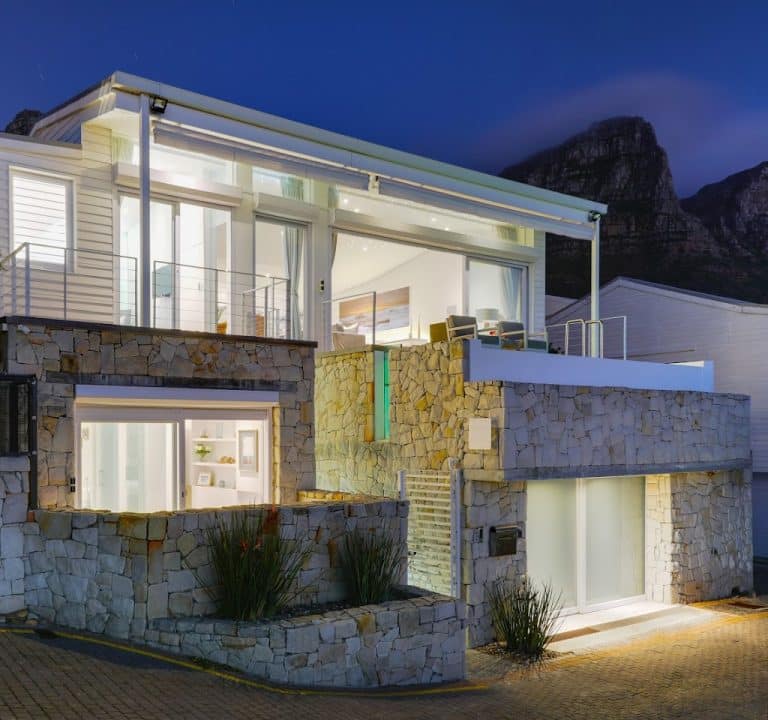
For accommodation ideas, look for places that emphasise a comfortable home-from-home feel, with good accessibility, clear policies on sanitation and guest privacy, and staff who can help with local recommendations. A well-situated SPLASH Boutique Guesthouse, as an example of a guest house offering thoughtful touches, can illustrate how a smaller property balances charm with convenience. When you book, consider touching base with the property to confirm practical details and discuss a plan for your days so you can make the most of your time in Cape Town.
Website resources such as official tourism pages can help you map out a sensible route through the city, find family-friendly activities, and locate dining options that suit your tastes. With careful planning, Cape Town delivers a vibrant mix of urban culture, mountain scenery, coastal leisure and delicious dining—all within easy reach of well-appointed and comfortable places to stay.