Darling, Western Cape: Accommodation, Attractions and Planning Your Stay
Darling sits along the R27 corridor in the Western Cape, a short hop from Cape Town yet a distinctly rural hub with a pocket of characterful guest houses, eateries and country charm. When planning a stay, guests typically look for a comfortable base that balances easy access to vineyards, nature reserves and the town’s slow-paced ambience with practical comforts for downtime between day trips.
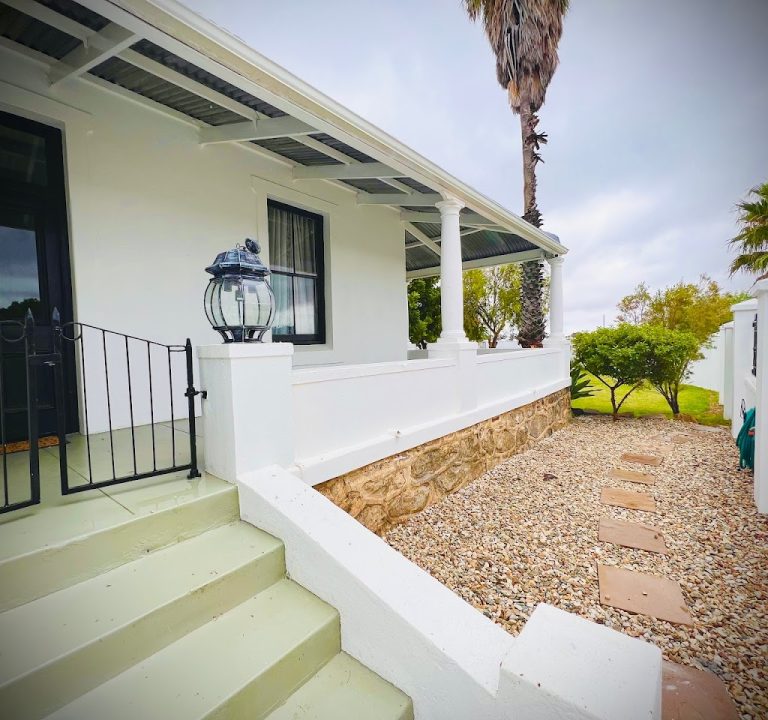
One popular option for visitors is De Gans Guest House, a well-regarded guest house that exemplifies the kind of stay many travellers seek in Darling: warm hospitality, well-appointed rooms and a central location within the village. While each property has its own flavour, you can generally expect a mix of en-suite bedrooms, private entrances, secure parking and a hearty breakfast to set you up for the day. When booking, consider whether you prefer a traditional bed-and-breakfast setup or a more contemporary guest house with self-catering elements, and check how the host can tailor your stay to include local tips or personalised itineraries.
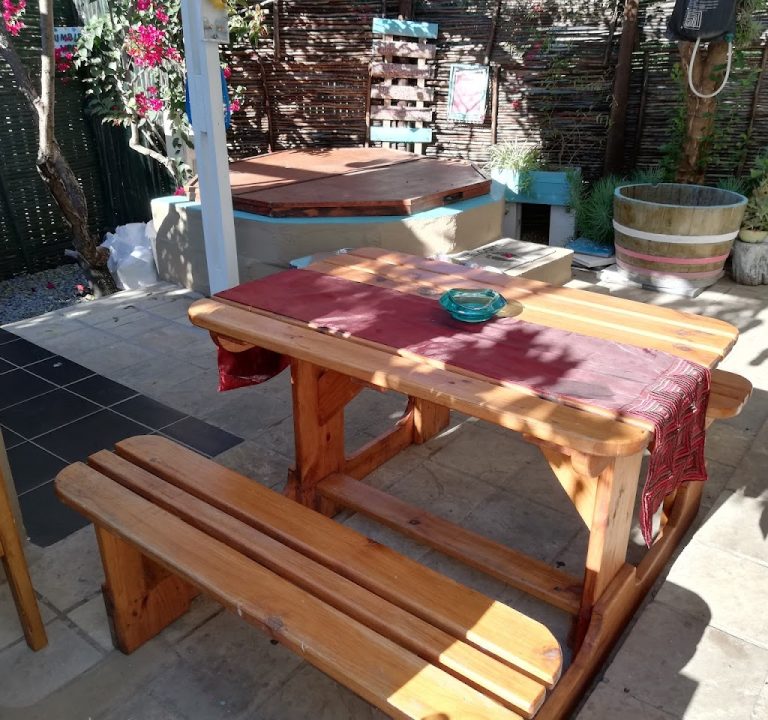
Accommodation in Darling typically clusters in and around the town centre, with a handful of lodges, boutique hotels and guest houses offering easy access to shops, bakeries and casual eateries. If you’re travelling with family or a small group, look for larger suites or interconnecting rooms, as well as convenient facilities such as free Wi-Fi, on-site parking, and laundry services. A pool or garden space can be a welcome retreat after a day’s exploring the surrounding farmlands and nature reserves. For longer stays, some properties offer in-room kettles, tea and coffee facilities, and the option of arranging guided tours or picnics in nearby countryside settings.
Areas within easy reach of the centre include the village itself, which provides a walkable ambience with local cafés and craft shops, and the surrounding countryside where roads lead to orchards, vineyards and rural byways. When choosing a base, consider how much driving you are comfortable with and whether you want a quieter rural ambience or proximity to more activity. Proximity to the town’s main square, supermarkets and petrol stations can be a practical factor for shorter stays, while guests staying longer may prefer a quieter street with better garden views.
Transport in Darling is typically easiest by car, though some lodging providers can arrange airport transfers or guided day trips. Public transport options are limited in the immediate area, so confirm parking arrangements or shuttle services with your host. If you’re planning excursions to nearby towns, farms or nature reserves, having a vehicle gives you flexibility to set your own timetable. For wider exploration, a day trip to the coast or a wine route can be combined with leisurely meals at regionally focused eateries.
The best time to visit Darling depends on what you want to experience. Spring (September to November) brings milder weather and the start of new growth, while autumn (March to May) offers pleasant temperatures and harvest-season vibes around local farms. Winter tends to be cooler and drier, ideal for scenic drives and cosy evenings indoors, and summer can be warm with low humidity. If you enjoy birdlife or outdoor pursuits, plan visits around daylight hours and seasonal closures of any nearby trails or reserves. It’s wise to book accommodation in advance during peak weekends or festival periods when the town sees a greater influx of visitors.
Booking tips to make the most of your stay in Darling:
- Read property descriptions carefully to confirm included breakfast, parking, Wi-Fi quality and whether rooms have en-suite facilities.
- Ask hosts about customised suggestions for day trips to nearby farms, viewpoints and nature walks, as many hosts with local knowledge can tailor itineraries.
- Check cancellation policies and whether there are flexible options for weather-related changes or last-minute plans.
- Consider meal arrangements—some guest houses offer dinner or organise picnics with locally sourced ingredients; others may direct you to recommended neighbourhood eateries.
- Plan transport ahead of time; if you’re not driving, verify the availability of transfers or walkable routes from the centre to attractions.
Attractions and experiences in and around Darling are often relaxed and nature-forward rather than high-volume tourist sights. Expect charming farm views, country lanes ideal for a gentle stroll or cycling, and opportunities to sample regional produce such as fruit, cheese or wine in nearby estates. Dining in Darling tends to reflect the artisanal and farm-to-table ethos common in the Western Cape, with cafés and small restaurants focusing on fresh, seasonal ingredients and uncomplicated menus. Visitors typically align a few hours of shopping at craft or lifestyle stores with a relaxed meal, before returning to their accommodation for an evening in a peaceful setting.
For those seeking practical planning pointers, a short checklist can help: confirm what inclusions come with your room (bathroom amenities, towels, daily housekeeping), verify the nearest supermarket and healthcare options, and map out a rough itinerary that balances scenic drives with downtime to enjoy your lodgings. Darling’s intimate scale makes it easy to weave in both dedicated relaxation and light exploration, whether you spend a few days watching the sunrise over rural hills or enjoy a casual day of farmyard scenery and regional delicacies.
Useful links for planning your stay include regional tourism pages and official visitor guides, which offer overviews of accommodation options, road travel tips and suggested routes. For further ideas and inspiration, you can visit sources that focus on Western Cape experiences and Darling’s own community and events calendars. A well-chosen base in Darling sets the tone for a relaxed, appetising and thoughtfully paced visit to this picturesque part of South Africa.