Staying in Darling, Western Cape: where to stay, what to do, and how to plan your visit
Darling, a charming village perched in the Swartland wine region of the Western Cape, offers a relaxed blend of rural beauty, artful hospitality and easy access to both nature and culture. A stay here can be as tranquil as a countryside escape or as lively as a weekend of tasting and exploring. Whether you favour boutique inns, guesthouses, self‑catering cottages or small hotels, Darling provides a thoughtful range of options that suit different budgets and tastes. An example of the intimate, characterful stays available is Vineyard Cottage, a property listed online that showcases the kind of warm welcome you can expect when booking in this area, alongside other properties with similarly personal touches. For anyone planning a longer break, Darling also serves as a convenient base from which to explore the surrounding towns and farms of the Swartland and the Cape Winelands region.
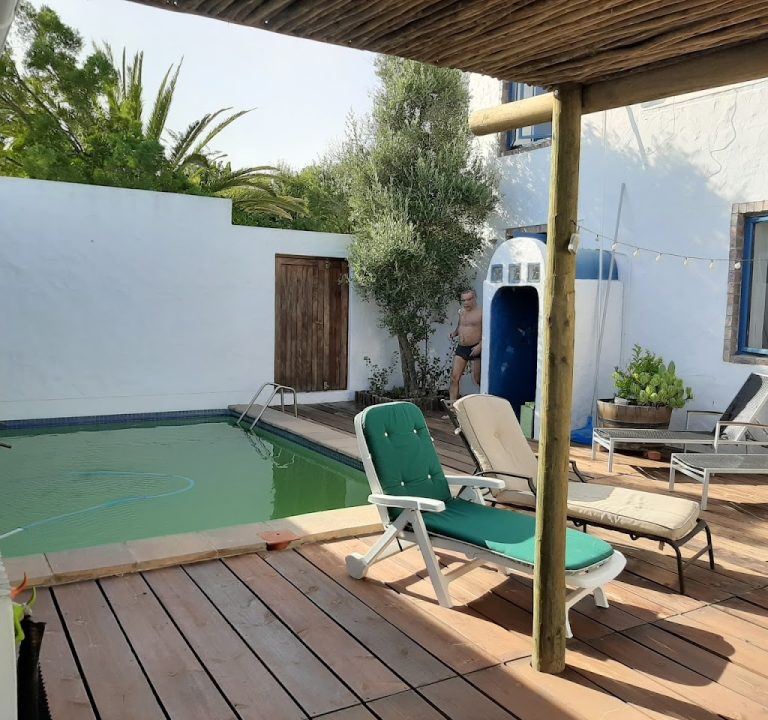
Areas to consider when choosing a base in Darling include the village core, where you’ll find a compact cluster of eateries, galleries and walkable streets; and the surrounding lanes and farms where guesthouses and cottages offer a more secluded atmosphere with private entrances, outdoor spaces and often views across vineyards. If you are travelling with family or a group, look for larger self‑catering cottages or inns with family rooms and flexible dining options. For couples seeking a romantic weekend, intimate rooms with cosy seating nooks and verandas can be particularly appealing. When selecting a property, consider proximity to the main attractions, ease of parking, and whether the accommodation offers on‑site facilities such as wi‑fi, a pool, or a courtyard garden for al fresco dining.
Typical amenities you might encounter in Darling range from comfortable en‑suite bedrooms and well‑equipped kitchens to guest lounges, reading corners and outdoor decks. Many guesthouses and hotels feature complimentary breakfasts, and some offer light meals or à la carte dining in the evenings. If you are self‑catering, a well‑equipped kitchen, a comfortable living area, and clear access to outdoor spaces can make a significant difference to your stay. For travellers who value sustainability, seek properties that emphasise energy efficiency, water conservation, and locally sourced amenities. A well‑maintained property with attentive housekeeping, clean communal areas, and regular maintenance can greatly enhance your comfort during a rural visit.
Transport in and around Darling is straightforward but benefits from a little planning. The village is compact enough to explore on foot, particularly for the main streets where cafés, bakeries and art studios are clustered. A car provides the most flexibility for day trips to nearby farms, viewpoints or nature reserves. If you prefer not to drive, check whether your accommodation offers a shuttle or can recommend reputable local drivers. Public transport options are limited in rural areas, so arranging transfers in advance is wise. For visitors arriving from Cape Town or the surrounding towns, allow extra time for scenic drives and potential delays, especially during peak holiday periods or harvest times when farm traffic increases.
The best time to visit Darling depends on your interests. A spring or autumn visit offers cooler days ideal for wandering the streets, visiting galleries and enjoying outdoor meals. The area’s climate suits outdoor relaxation for much of the year, with warm summers and mild winters. Harvest season can be a particularly pleasant time to combine a stay with wine experiences in nearby farms or the broader Swartland area. If you are focused on quieter rural scenery, shoulder seasons often provide a gentler pace and more availability in accommodation options. Always check local event calendars as Darling hosts markets, art events and farm activities that can enrich your stay, but may also affect room availability in peak periods.
When planning an itinerary, balance your days between resting in your chosen base and venturing out to attractions and experiences. In general terms, you can expect to discover pleasant rural walks, viewpoints over rolling vineyards, and small art studios or exhibitions that reflect the village’s creative spirit. Dining in Darling ranges from casual cafés to more refined eateries offering seasonal fare, with a strong emphasis on fresh ingredients from local farms. For a longer outing, consider day trips to nearby towns, coastal reserves, or the broader wine and agricultural routes that characterise the region. For those who enjoy outdoor activities, look for opportunities to walk, cycle or simply enjoy a peaceful afternoon in a garden setting or on a winery terrace within easy reach of your accommodation.
Practical tips for a smooth stay in Darling:
- Book accommodation with flexible check‑in arrangements and clear cancellation policies, especially during harvest seasons or public holidays.
- Ask about parking, laundry facilities, and kitchen access if you plan to self‑cater or travel with children.
- Confirm wi‑fi reliability if you need to work remotely or stay connected during your trip.
- Bring a light layer for cooler evenings and a sunhat for midday outdoor activities; temperatures can vary across seasons.
- Plan a balanced itinerary that blends downtime at your accommodation with short rural excursions to nearby farms or nature spots.
To begin planning, you can explore a selection of local stays and get a flavour of what Darling has to offer by visiting the respective accommodation websites or regional tourism guides. For those who enjoy a visually rich and intimate overview of a property before booking, a visit to dedicated listing pages can provide photographs, layouts, and guest reviews. Darling is well suited to travellers seeking a relaxed, approachable countryside experience with the option to indulge in simple comforts, scenic landscapes, and a gentle pace of life that suits longer visits or spontaneous weekend breaks.