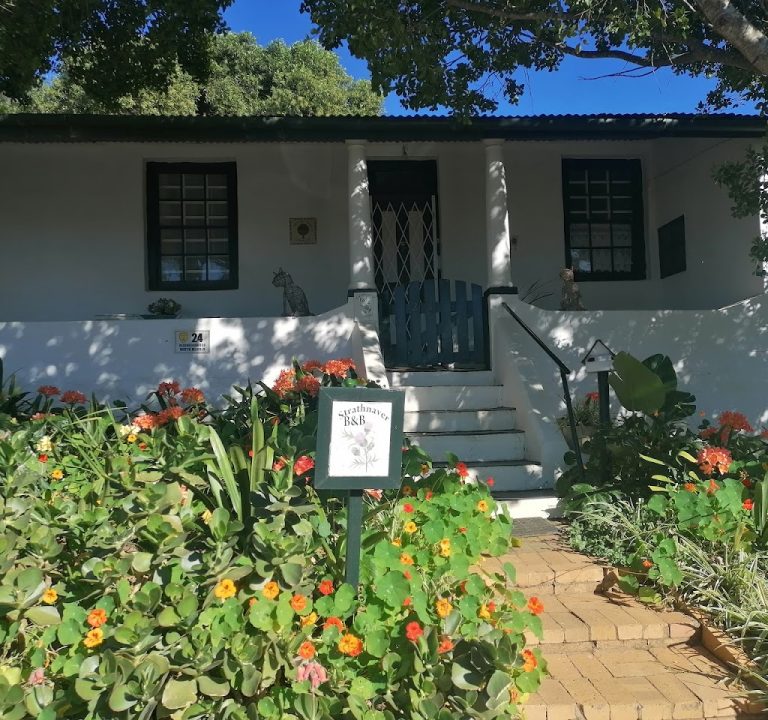
Darling, Western Cape: Accommodation, Attractions and Planning Your Stay
Darling sits on the R45 road between Cape Town and the West Coast, a small but characterful village that offers a relaxed base for travellers exploring the Swartland and the surrounding countryside. It’s well suited to visitors seeking a laid‑back break with a mix of country charm, scenic views and easy access to nearby farms, nature reserves and coastal towns. For accommodation, Darling offers a range from intimate bed and breakfasts to guesthouses and boutique stays, many with a distinctly rural or historic flavour. One example of the style on offer can be found at Maison De Lamour, a welcoming bed & breakfast whose website provides further details about its discreet hospitality and location.
When planning a stay, consider what you want from your day‑to‑day routine. Do you prefer a countryside setting with terraces and herb gardens, or would you rather be within easy stroll of the village centre and its cafés and country shops? In Darling, many properties are designed to blend comfort with a sense of place, featuring features such as cosy lounges, fireplaces for cooler evenings, and outdoor seating that takes advantage of cool mornings and late afternoon light. Look for hosts who can share tips on local walking routes, farm stalls and short drives to nearby attractions, as this can greatly enhance the experience of a stay in the region.
Areas to consider within or near Darling include the historic village core, where accommodation often sits close to the main street, with easy access to tea rooms and small restaurants. Rural surrounds on the outskirts can offer larger grounds, views across farmland, and tranquil interruptions from city noise. If you are travelling with family or a group, a country lodge or larger B&B with a private sitting room or terrace can be ideal for evenings in, while couples may enjoy intimate rooms with a cosy ambience. When booking, check the room configuration, breakfast options, and whether a host can arrange guided activities or recommend reputable local operators for a half- or full‑day excursion.
Typical amenities in Darling’s guest rooms and B&Bs include en‑suite bathrooms, complimentary teas and coffees, Wi‑Fi, and on‑site parking. Some properties offer meals beyond breakfast, with light lunches or evening meals, and a few provide self‑catering facilities for guests who prefer to prepare their own meals. If you have mobility needs, verify access features, step-free routes within the property, and the availability of convenient parking near your room. Pets are sometimes accommodated, but it’s essential to confirm in advance and understand any policies about outside areas and cleaning fees.
Transport in and around Darling is straightforward by car, which is often the most convenient way to explore the surrounding countryside, farms, and nearby towns. The village is well connected to the R45 route, making day trips to local wine farms, olive groves and markets comfortable. If you’re staying outside the centre, ask your host about shuttle options or recommended local drivers. For guests without a car, plan ahead to align your stay with places that are a short walk from your accommodation or offer reliable transfers to the nearest rail or larger town hub.
The best time to visit Darling tends to be in the spring and autumn months when the weather is mild and landscapes are particularly appealing. Spring brings new growth and the possibility of flower displays along country lanes; autumn delivers cooler evenings and a quieter atmosphere, ideal for longer countryside strolls. Summer offers longer daylight hours for outdoor activities, while winter can be tranquil, with cosy indoor spaces and the chance to enjoy fireside corners in B&Bs. Consider local harvest festivals or farmers’ market days if your travel window aligns with them, as these can be delightful ways to sample regional produce and meet residents.
Activities and experiences in and around Darling are typically relaxed and country‑minded. Visitors commonly enjoy scenic drives along rural byways, short woodland walks or coastal day trips to nearby towns. Nature reserves and viewpoints offer opportunities for birdwatching and photography, while farm shops and markets provide access to fresh, seasonal produce. Dining experiences often emphasise farm‑to‑table ingredients, with menus that reflect the surrounding countryside. When choosing restaurants, look for places that prioritise locally sourced ingredients and a convivial, informal atmosphere that matches the pace of a Darling visit.
Practical planning tips to help you get the most from your stay:
- Book early for peak seasons and weekends, especially if you want a room with a view or a space that accommodates a family or group.
- Ask hosts about local walking routes, bike hire, or guided farm visits to enrich your itinerary.
- Check what breakfast includes and whether there are dietary options available.
- Clarify parking arrangements and access notes if you are arriving late in the day.
- Bring layers for variable weather; evenings can be cooler in rural areas.
To illustrate accommodation options, consider a stay at a boutique B&B such as Maison De Lamour, which highlights the intimate, homely feel of some Darling properties while offering modern comforts. For more information, including location context and booking details, visit its official site at the provided link.
Darling makes a pleasant base for those keen to combine restful country living with easy access to the broader Western Cape region. By choosing a thoughtfully located base, planning with hosts who know the area well, and pacing activities to match your interests, you can enjoy a rewarding and authentic stay in this English‑speaking, wine‑country village north of Cape Town.