Durban: Accommodation and Activities for a Colourful KwaZulu-Natal Break
Durban, a vibrant coastal city in KwaZulu-Natal, blends temperate subtropical climate with a rich mix of Indian, Zulu and colonial influences. When planning a stay, think about a neighbourhood that matches your preferred pace, whether you want beachfront convenience, leafy residential calm, or a buzzy urban scene. Options range from boutique guesthouses and stylish BnBs to family‑run inns and larger hotels, many of which are set in heritage houses or near the Golden Mile promenade.
For practical convenience, consider districts along the coastline such as the central beachfront and the adjacent harbour area, which provide easy access to beaches, promenades, and major attractions. If you prefer a calmer, more residential feel, look to the inland suburbs that offer easy car or rideshare access to the city’s sights while preserving a quieter neighbourhood atmosphere. For a scenic day trip, the hills and valleys a short drive away offer rolling vistas, coffee stops and local markets. Regardless of where you stay, most properties will offer on‑site parking and easy access to public transport or reliable organised transfers.
When booking, look for a few key features to maximise comfort. An inviting guesthouse or hotel in Durban should offer secure parking or easy taxi access, air‑conditioned rooms (important in Durban’s warm seasons), reliable wi‑fi, and generous breakfast options. Many properties provide balcony or verandah spaces to enjoy morning sun or evenings with a breeze from the Indian Ocean. If you need flexibility, check whether the accommodation offers late checkout, luggage storage, and a straightforward cancellation policy. It’s worth confirming accessibility considerations if you have mobility requirements or prefer ground‑floor rooms.
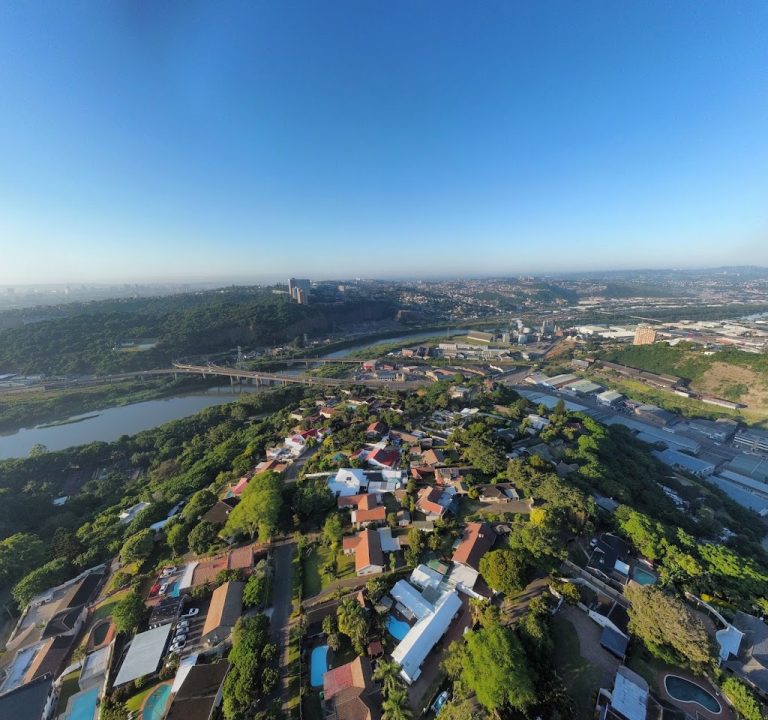
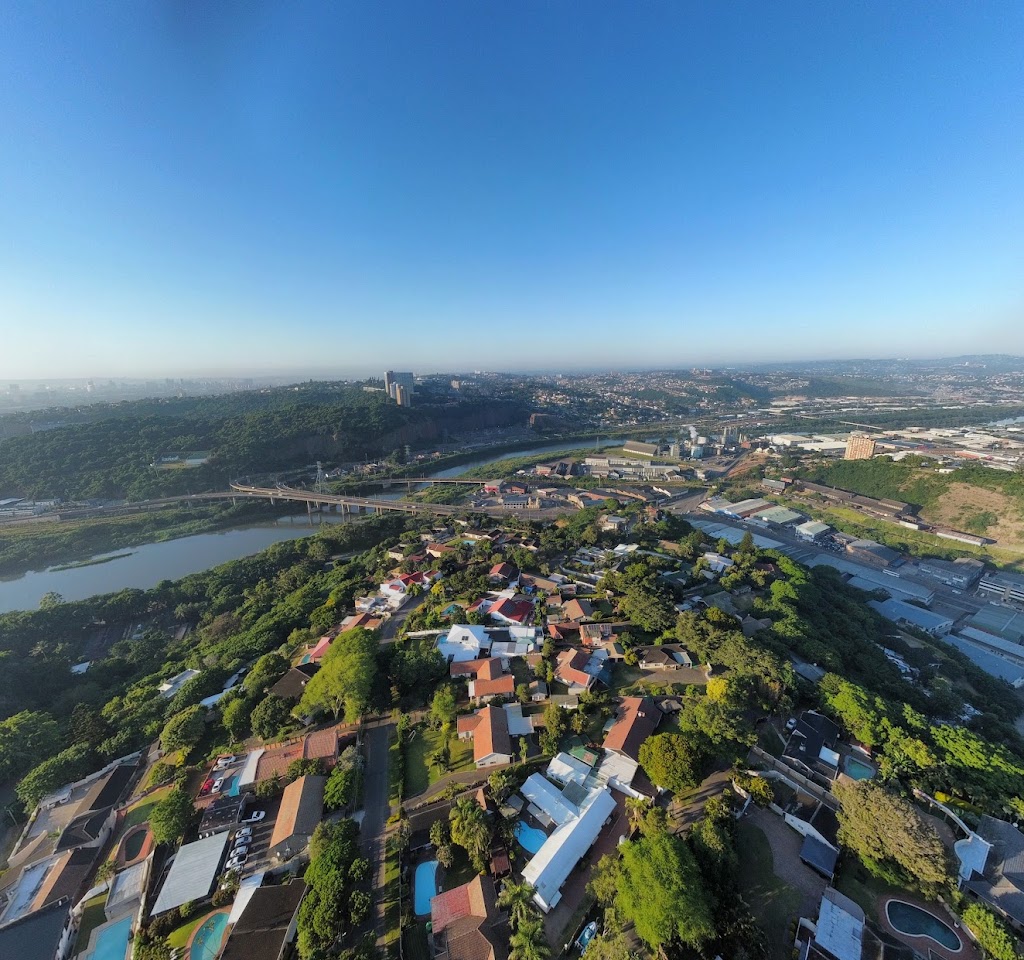
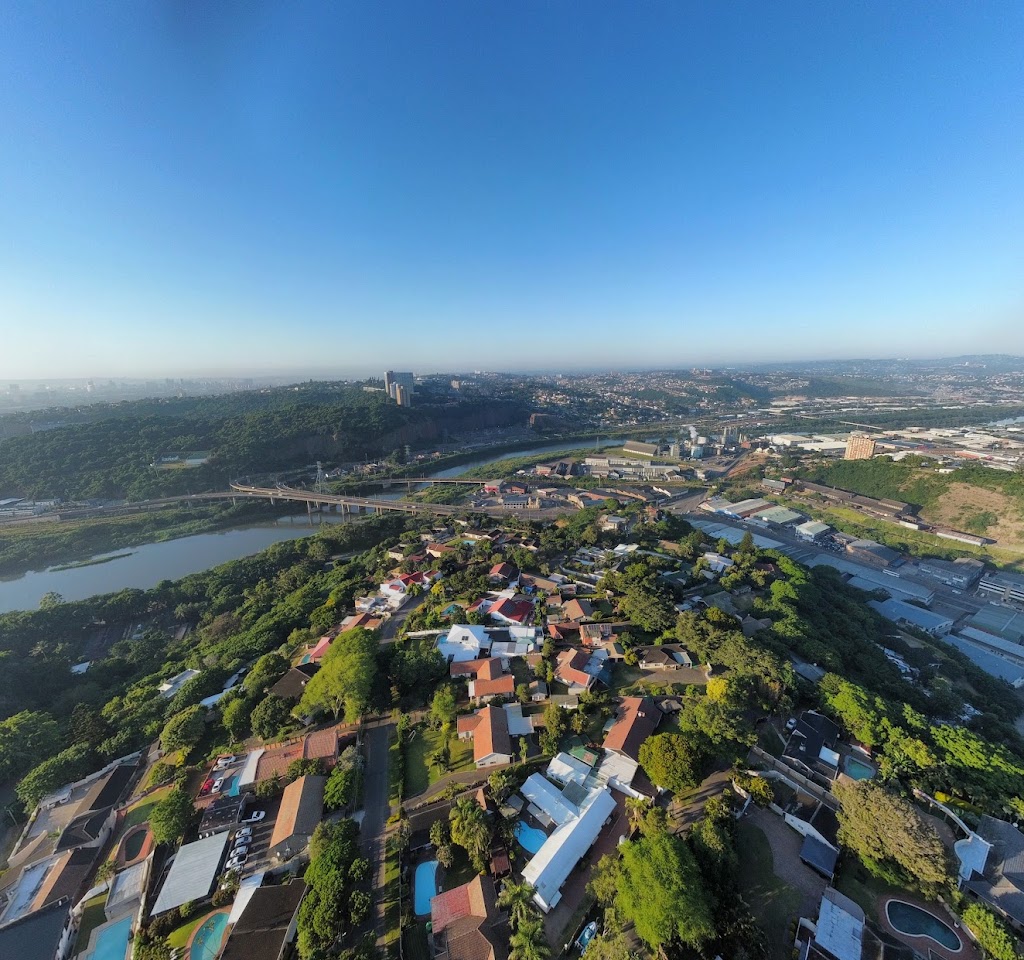
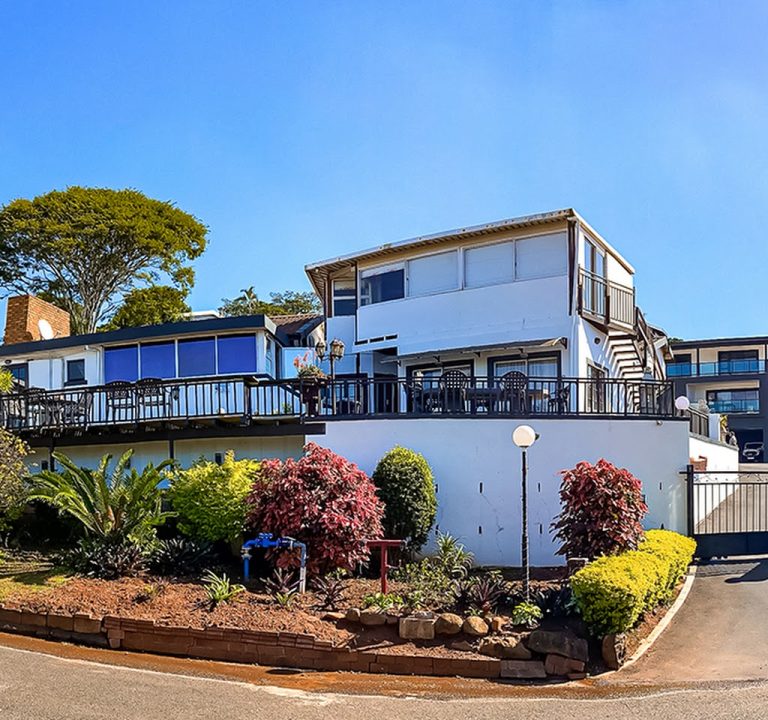
One example of a regional accommodation option is de Charmoy Estate Riverside Guest House, which represents the genre of guesthouse experiences found in KwaZulu‑Natal. For travellers exploring Durban, a stay here could offer a peaceful riverside ambience with convenient access to broader attractions via recommended routes. See the property’s official site for current details and booking options: de Charmoy Estate Riverside Guest House.
Durban’s beaches are its calling card. The coastline offers long stretches of golden sand, safe swimming lagoons, and lively foreshore activity. If you enjoy a gentle stroll, a seaside promenade is a pleasant base‑level activity after a day of sightseeing. For families and marine life enthusiasts, a visit to an informed, contained marine experience may be a highlight, with broad educational components about ocean life and conservation. While the specifics vary by venue, many local venues dedicate space to interactive exhibits and seasonal displays, which can inspire a relaxed day out for all ages.
Beyond the waterfront, the city is peppered with cultural and nature experiences. A visit to urban and suburban markets offers insight into locally made crafts, foods, and textiles. Art and history both feature prominently in Durban’s districts, with galleries and museums that provide broader context to the region’s diverse heritage. Dining in Durban is notable for its fusion of flavours; expect a range of eateries from traditional Zulu and Indian‑South African hybrids to contemporary cafés and seafood restaurants along the coast. When planning meals, you can often opt for chef‑driven menus that highlight seasonal ingredients as well as classic regional dishes, without needing to pre‑book for standard dining rooms.
Transport within Durban is well served by taxis, ride‑hailing services, and a growing number of boutique shuttles linked to hotel groups. If you plan day trips beyond the city, renting a car affords the greatest flexibility, while many operators offer guided tours to key areas such as coastal reserves, hillside viewpoints, and cultural villages. If you prefer to rely on public transport, check local timetables and accessibility options in advance, and allow extra time during peak travel periods to account for traffic and road works.
The best time to visit Durban depends on your interests. The city enjoys year‑round warmth, with summer (roughly November to February) bringing lively beach and outdoor scenes, vibrant markets, and occasional short afternoon showers. Winter (June to August) remains mild and is a pleasant period for long walks, city sightseeing, and enjoying indoor attractions without the intensity of the peak summer heat. For those seeking fresh sea air and outdoor activities, spring and autumn offer a balance of comfortable temperatures and manageable crowds. If you’re aiming to combine a beach break with inland excursions, plan a multi‑night stay to sample both coastal leisure and a taste of the KwaZulu‑Natal countryside.
Practical planning tips to help you make the most of your Durban visit:
- Book accommodation with clear security, reliable wi‑fi, and accessible transportation options.
- Choose a base that minimizes long transfers between beaches, attractions, and dining precincts.
- Pack sun protection, light layers for evenings, and sturdy walking shoes for coastal promenades and markets.
- Allow time for unplanned discoveries— Durban’s street life, markets, and small eateries often offer memorable experiences.
- Review cancellation policies and deposit requirements before finalising bookings, especially for peak travel periods.
Durban’s mix of seaside charm, cultural richness and convenient hospitality makes it a rewarding destination for a wide range of travellers. Whether you stay in a cosy guesthouse by the river, a modern hotel near the harbour, or a boutique retreat on a hillside, you’ll find a welcoming base from which to explore the city, its beaches, and the wider KwaZulu‑Natal region. For accommodation ideas and up‑to‑date booking options, visiting official property sites and reputable travel guides will help tailor a stay that fits your dates and interests.