Durban, KwaZulu-Natal: Accommodation and Experiences for a Memorable Stay
Durban blends warm subtropical climates with a vibrant coastal city vibe, making it an appealing destination for short breaks and longer stays. When planning where to stay, think about what you want most from your visit: beach access, easy access to sights, family-friendly comfort, or a quieter retreat away from the city buzz. Durban has a range of accommodation types to suit all preferences, from cosy guesthouses and boutique hotels to stylish lodges and self-catering options. A good starting point is to identify a base that minimises daily transit time to the activities you plan to enjoy.
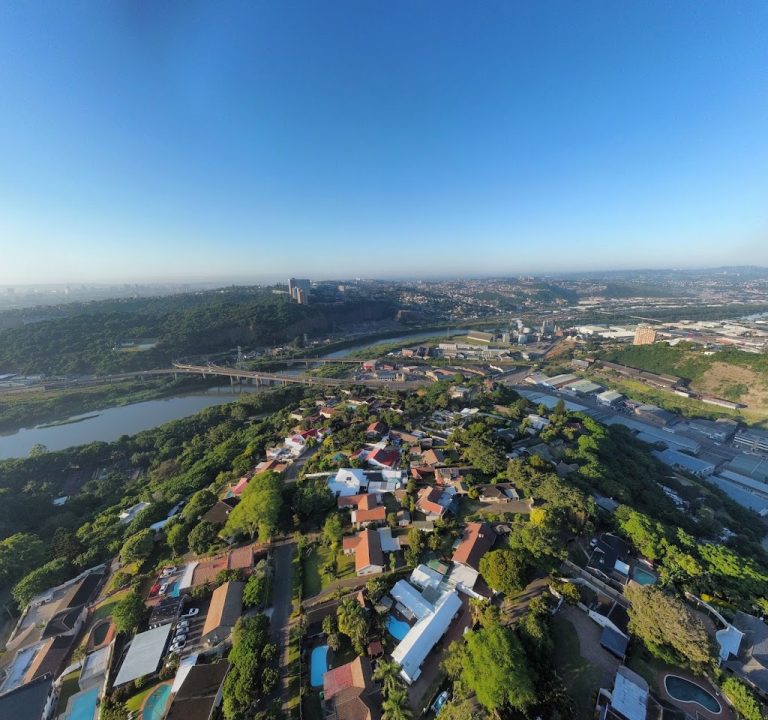
Areas to consider include the popular beachfront precincts along the Golden Mile, which offer proximity to the city’s beaches, promenades and dining options. For a more residential, leafy feel with easy access to restaurants and shops, suburbs such as Morningside or Glenwood are well regarded. If you want a quieter seaside atmosphere, coastal pockets outside the central stretch—whether in Durban North or Umhlanga—provide a calmer base with excellent access to coastal walks and fresh seafood spots. Each neighbourhood has a distinct character, so consider how much walking you’re comfortable with, and whether you prefer lively nightlife or a more relaxed pace in the evenings.
Typical accommodation formats you’ll encounter include:
- Guesthouses and boutique B&Bs, which offer a more personalised stay with breakfast included in many cases.
- Self-catering apartments or cottages, ideal for families or longer visits where flexibility and kitchen facilities matter.
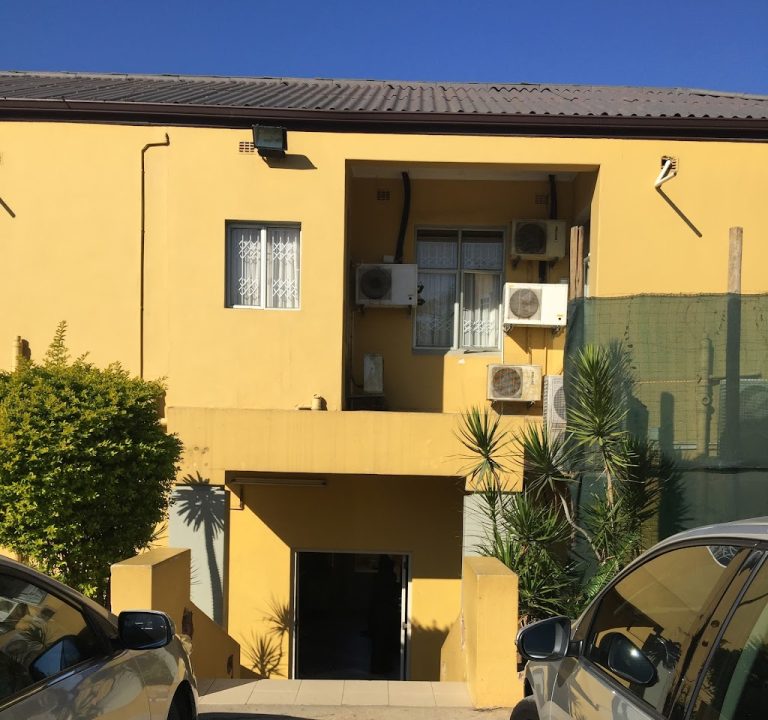
- Small to mid-sized hotels and lodges with a focus on guest comfort, often featuring on-site parking, lounge spaces, and sometimes spa or pool facilities.
- Characterful boutique inns that celebrate local design and a tailored hospitality approach.
What to look for when booking a property:
- Location relative to your planned activities: beaches, markets, nature reserves, and dining districts.
- Clear policies on breakfast, cleaning schedules, and guest access to facilities such as pools or outdoor spaces.
- Parking availability if you’re hiring a car, plus information about security and lighting in the area.
- Room layouts and amenities that suit your group, such as dedicated workspaces, Wi‑Fi reliability, and kitchen facilities.
- Flexibility of booking and cancellation terms, particularly if your plans may shift with weather or events.
Typical amenities to expect include private en-suite bathrooms, air conditioning or ceiling fans for Durban’s warm climate, reliable Wi‑Fi, and comfortable bedding. Pool areas and shaded outdoor spaces are common drawing cards for guests looking to relax after a day of exploring. A good guesthouse or boutique hotel will also provide guest information detailing local dining options, markets, and day trips. If you’re after a more immersive stay, look for hosts who can offer tips on authentic Durban experiences—such as mixed cultural eateries, coastal walks, or guided tenders to nearby attractions—without feeling rushed.
Transport in Durban is straightforward, with a mix of private taxis, rideshare options, and rental cars available. If you’re staying near the coast, you’ll likely find most attractions within a short drive or a manageable stroll. For longer day trips, organising a car or a guided excursion can be convenient, especially to reach natural sights and inland areas a little outside the city centre. The local climate is warm for much of the year, so packing lightweight clothing, sun protection, and comfortable footwear will help you make the most of outdoor days, markets, beaches and parks.
Best time to visit Durban is generally during the warmer months from spring through late summer, when days are long and beaches are inviting. However, the shoulder seasons—April to May and September to November—often offer pleasant weather with fewer crowds, which can be ideal for exploring museums, markets and local eateries at a more relaxed pace. If you’re planning events or festivals, check the local calendar ahead of your trip, as Durban hosts a variety of cultural and culinary happenings throughout the year.
Practical tips for a smooth stay:
- Book accommodation with clear access to the areas you want to explore, and confirm parking if you’re renting a car.
- Check the property’s housekeeping and breakfast arrangements so they align with your plans and dietary needs.
- Bring or rent suitable beach gear if you expect to spend time on the coast; many properties provide towels for pool use but not always for beach days.
- Budget for meals out—Durban’s dining scene offers a spectrum from casual beachfront shacks to refined eateries, including notable Indian-inspired curries and seafood offerings.
- Keep basic safety practices in mind, especially when venturing out after dark in unfamiliar areas, and use reputable transport options.
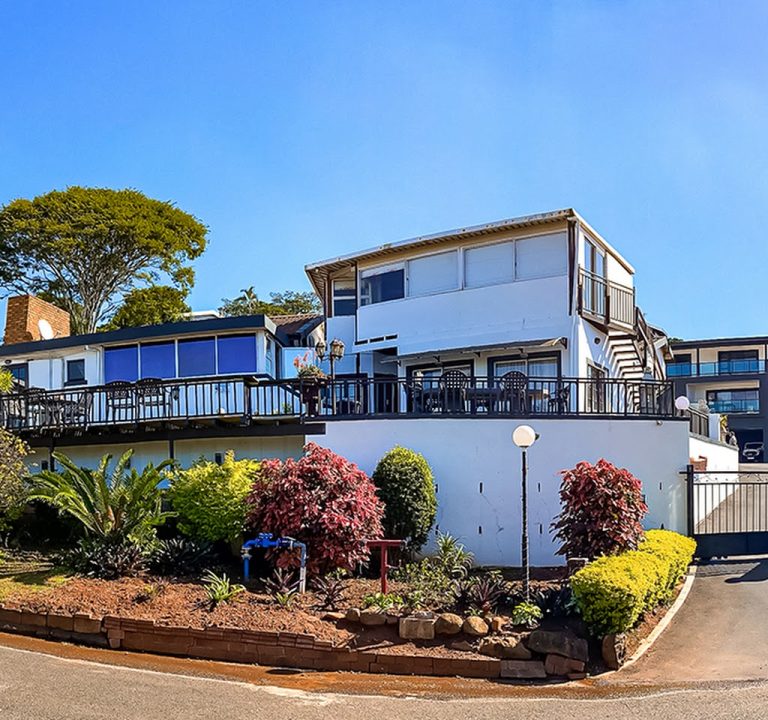
Durban’s hospitality scene extends beyond beds for the night. Places such as small, locally operated guesthouses exemplify the approachable, intimate style many travellers seek, and you may come across establishments like amaZulu Luxury Guesthouse as part of a broader spectrum of stays to consider. For broader inspiration and practical planning, reputable travel resources and official tourism sites can help you map an itinerary that blends beach time with cultural and culinary experiences. With careful selection, your Durban stay can be a relaxed coastal escape enriched by the city’s warmth and diverse offerings.
For further ideas on Durban accommodation and experiences, see the official Durban and KwaZulu-Natal tourism information at https://www.southafrica.net/en/travel-destinations/provinces/kwazulu-natal/durban.