Queenstown, Eastern Cape: accommodation, attractions and planning your stay
Queenstown in the Eastern Cape offers a friendly, small-town atmosphere with a backdrop of rolling hills and open savannah. When planning a stay, consider both central convenience and quieter surroundings slightly outside the town centre. The town area is typically where you’ll find a good mix of eateries, basic shops and easy access to key roads, while surrounding suburbs and rural outskirts can provide peaceful self-catering options and scenic vistas. If you’re travelling with family or a group, self-catering accommodation can be a flexible base from which to explore the region at your own pace.
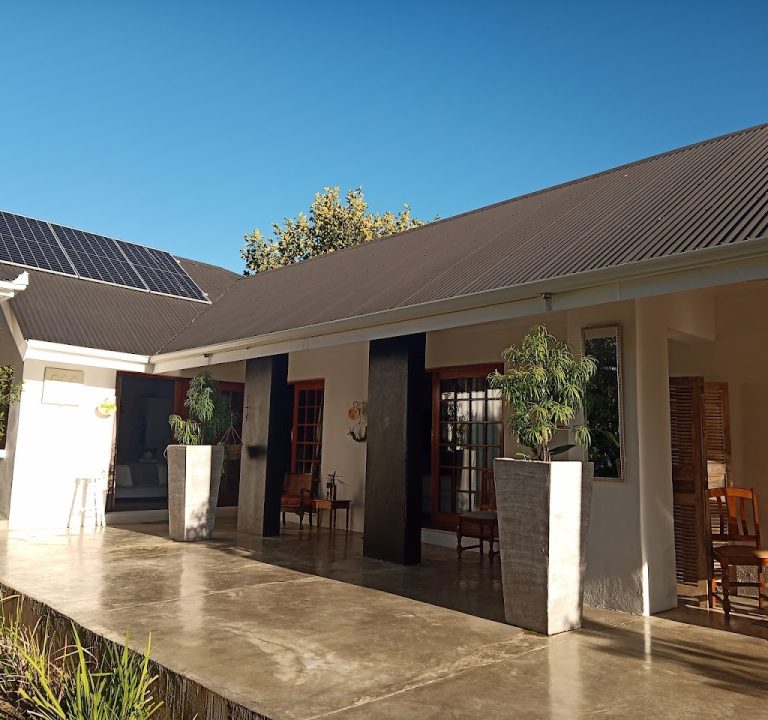
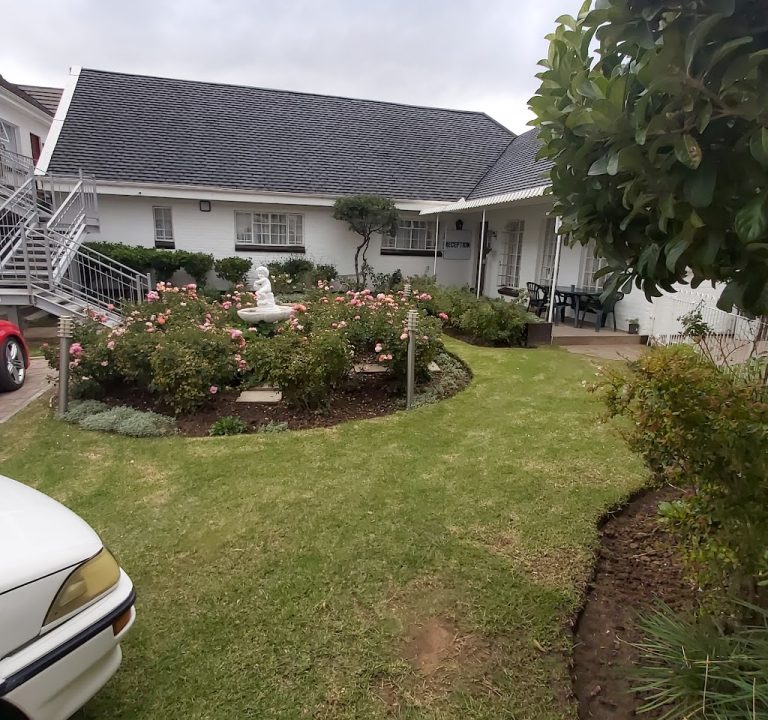
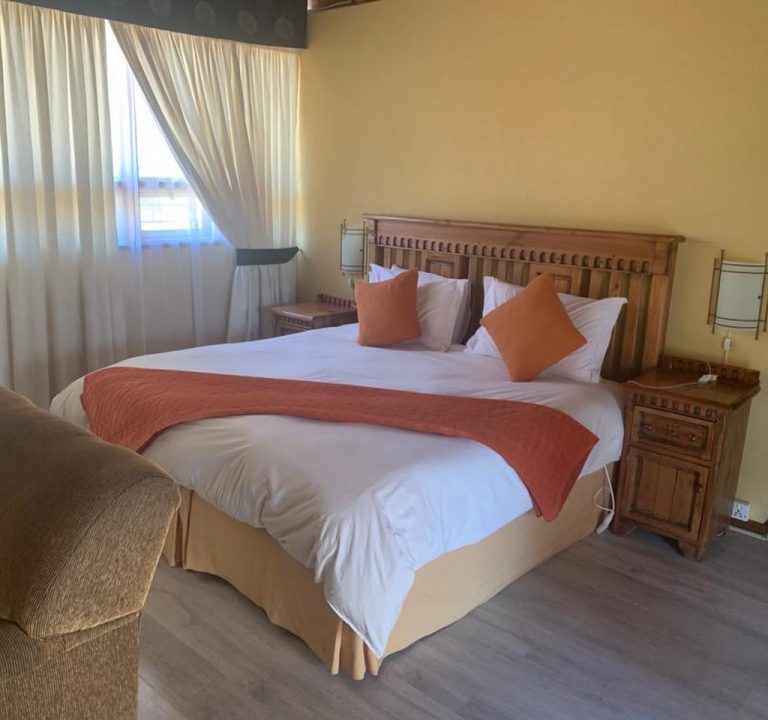
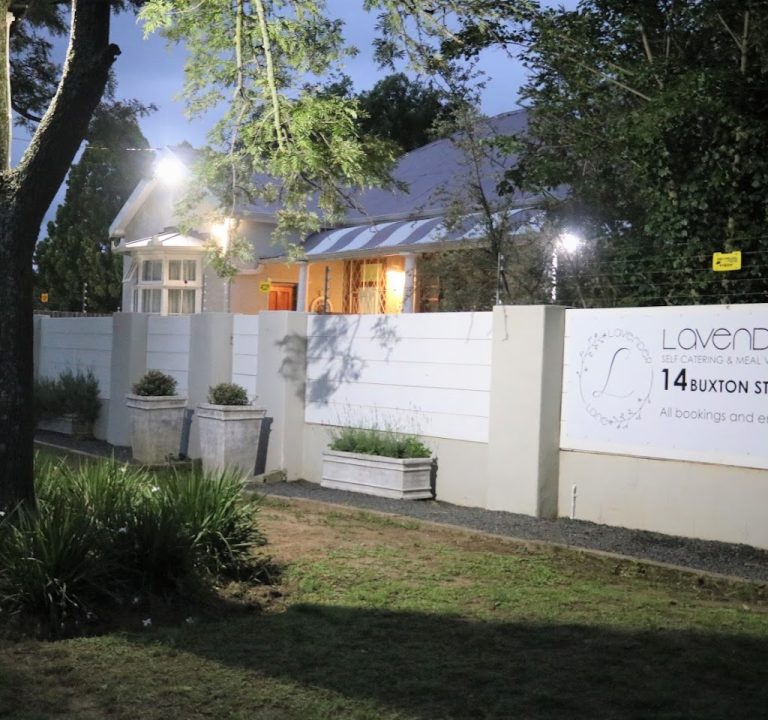
Accommodation options range from guesthouses and B&Bs to self-catering cottages and small lodges. Booking early is wise during peak seasons and local events, and it helps to have a realistic sense of the space you need — number of bedrooms, parking, and whether a kitchen is fully equipped. Dandelion Accommodation, a self-catering option in Queenstown, illustrates how a well-presented unit with separate living spaces and a kitchen can suit travellers seeking independence while remaining comfortable and well located for day trips.
Typical amenities to look for include a well-equipped kitchen or kitchenette, free parking, reliable heating or cooling for the cool winters and warm summers, and decent Wi‑Fi if you need to work or stream during your stay. Cleanliness, clear access to entrances, and friendly hosts are often just as important as the fixtures themselves. If you’re visiting with children, confirm that the property is suitable for little ones and has accessible sleeping arrangements. For longer stays, practical touches such as a washing machine, an outdoor area for meals, and storage for luggage can make a big difference to your comfort.
Transport planning is important in Queenstown. While some accommodation sits within easy walking distance of town facilities, a car or organised transfers are typically the most convenient way to reach surrounding attractions and day-trip destinations. Check whether the property offers parking, and if you plan to explore rural routes or game farms, ensure you have a reliable vehicle and a current road map or GPS. If you’re staying a little outside town, confirm access arrangements for evenings, especially if local shops or restaurants have limited hours.
Best time to visit Queenstown depends on your preferred climate and activities. The summer months bring longer daylight hours and pleasant conditions for outdoor exploration, while autumn can be cooler with colourful landscapes. Winter tends to be crisp and quiet, offering a different, more relaxed pace. If you enjoy birdwatching, hiking in the hills, or scenic drives, you’ll find opportunities throughout the year, with seasonal variations shaping what you can see and do. Be mindful of sudden weather changes and plan outdoor activities with flexible options in case conditions shift.
When planning activities, consider a mix of nature-based experiences and gentle cultural or heritage outings. Day trips to nearby reserves or small towns can add variety to your itinerary, and a relaxed day spent wandering local streets, markets and coffee spots can be rewarding as well. For dining, expect a range of options from casual cafés to more substantial eateries offering regional fare. In many cases, you’ll find farm-to-table influences or dishes that highlight local produce. If you’d like a savoury break or a light bite, there are usually several approachable options within easy reach of central Queenstown and the main visitor routes.
Practical planning tips to help you book and enjoy your stay include the following:
- Read recent guest reviews to get a sense of how well an accommodation handles practical needs, such as cleanliness, access, and responsiveness of hosts.
- Compare room configurations and kitchen facilities to ensure the space suits your group size and dining plans.
- Confirm parking and access arrangements, especially for properties on quieter streets or with limited off-street spaces.
- Check the listing for Wi‑Fi reliability if you plan to work or stream, and whether a dedicated work area is available.
- Assess proximity to the town centre, main roads, and day-trip starting points to optimise transit time.
- Budget for local transport options or plan a light car hire arrangement if you intend to explore beyond Queenstown.
- Pack for mixed weather: layers for cooler mornings and evenings, sun protection for daytime outdoor activities, and comfortable footwear for uneven terrain.
- Respect local customs and environmental considerations, supporting sustainable tourism where possible.
In addition to comfortable places to stay, Queenstown serves as a practical launchpad for broader exploration of the Eastern Cape. While specific attractions and dining spots can vary by season, visitors generally find that the region rewards curious travellers with easy access to nature, heritage narratives and a friendly, rural atmosphere. A well-planned stay balances comfortable accommodation with enough flexibility to discover the landscape, meet local people and enjoy a flavour of life in this corner of South Africa. For more inspiration and practical trip planning, you can explore general regional information at reputable travel resources and official tourism sites.