Queenstown, Eastern Cape: where a welcoming stay becomes the start of the adventure
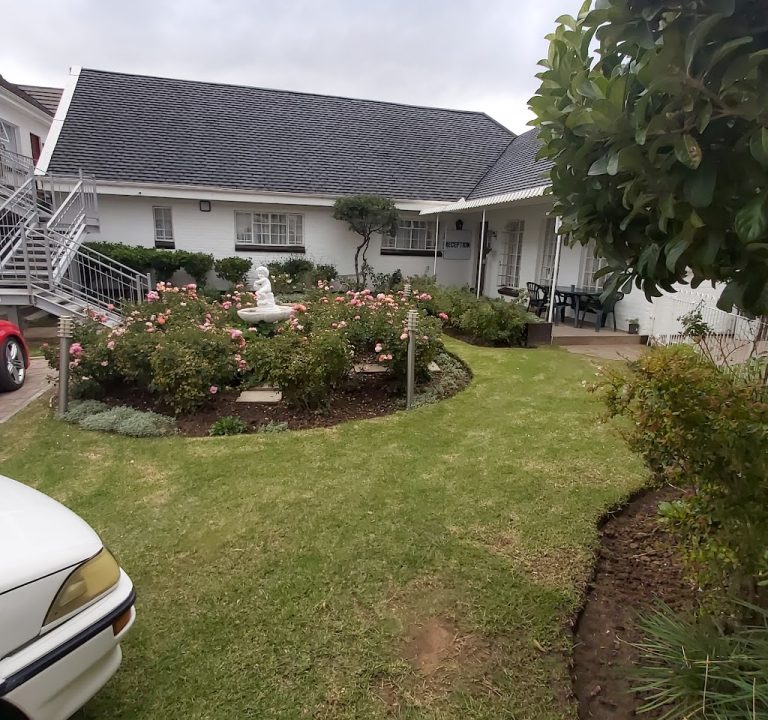
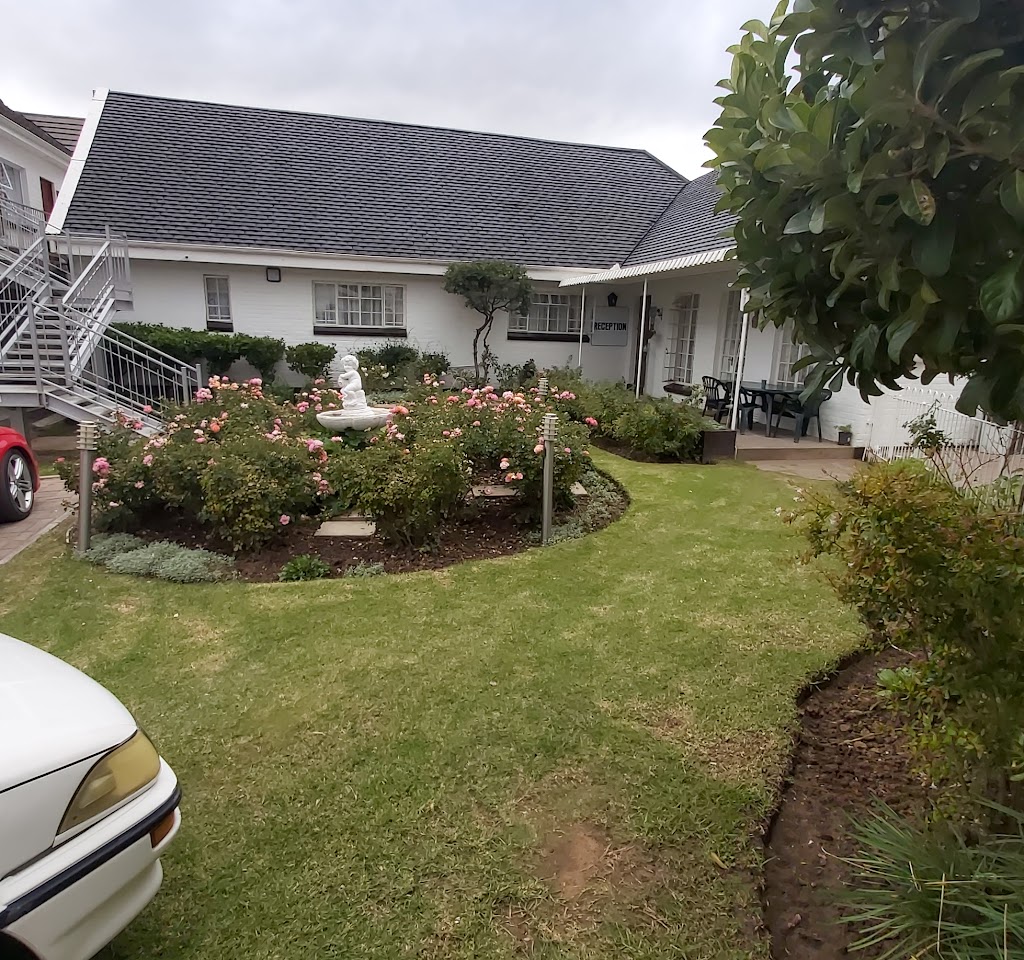
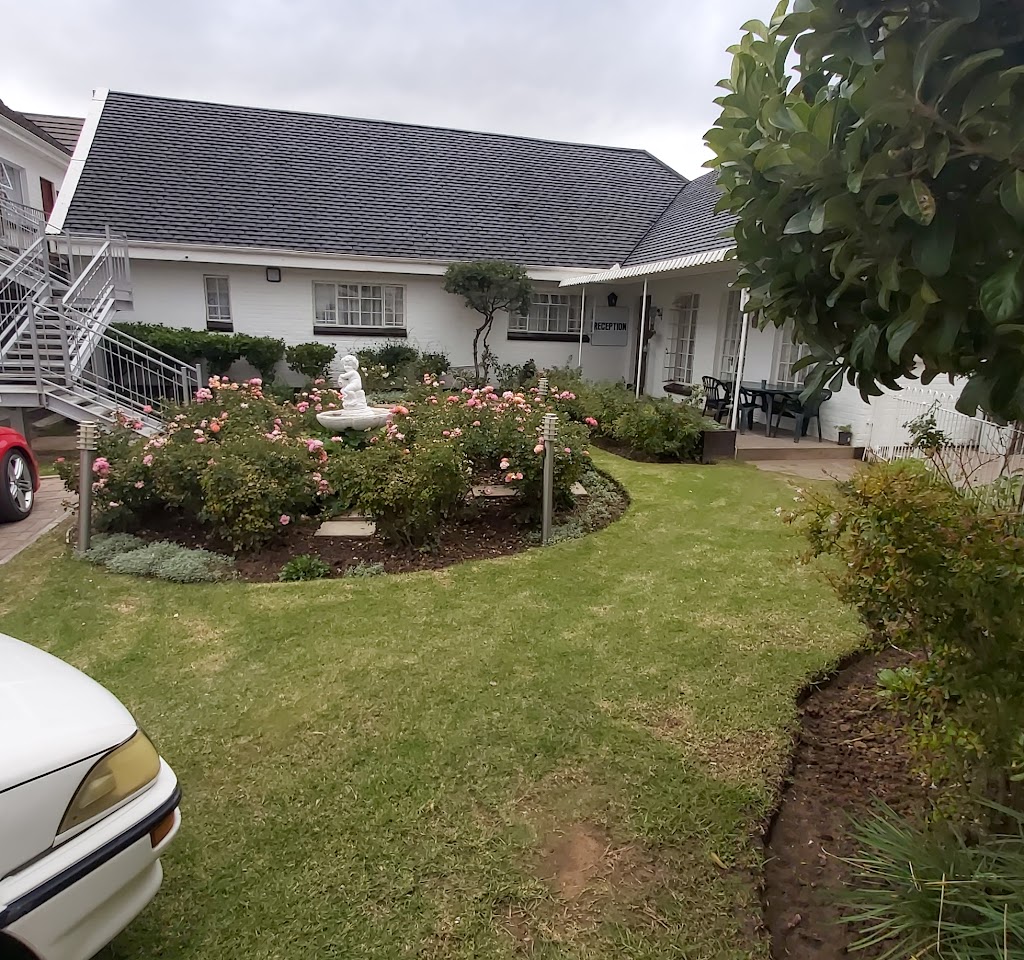
Nestled in the scenic hills of the Eastern Cape, Queenstown offers a friendly base for visitors exploring rural South Africa with a touch of small-town charm. For travellers seeking comfort after a day of outdoors or local culture, the town’s lodging options range from traditional guesthouses and family-run B&Bs to contemporary lodges and self-catering stays. Among them, Mentor Bed & Breakfast stands as an example of warm, personal hospitality that many guests value when planning a relaxed break.
When planning a stay in Queenstown, it helps to think about where you want to base yourself. The central precinct is convenient for those who prefer easy access to shops, cafés and the town’s services, while suburbs on the hill or near open countryside can offer tranquillity, stunning views, and a quieter pace. If you’re driving, consider distances to the attractions you have in mind, as public transport can be limited outside the town centre. Many guesthouses and lodges offer secure parking and some provide shuttle arrangements or guidance on local routes.
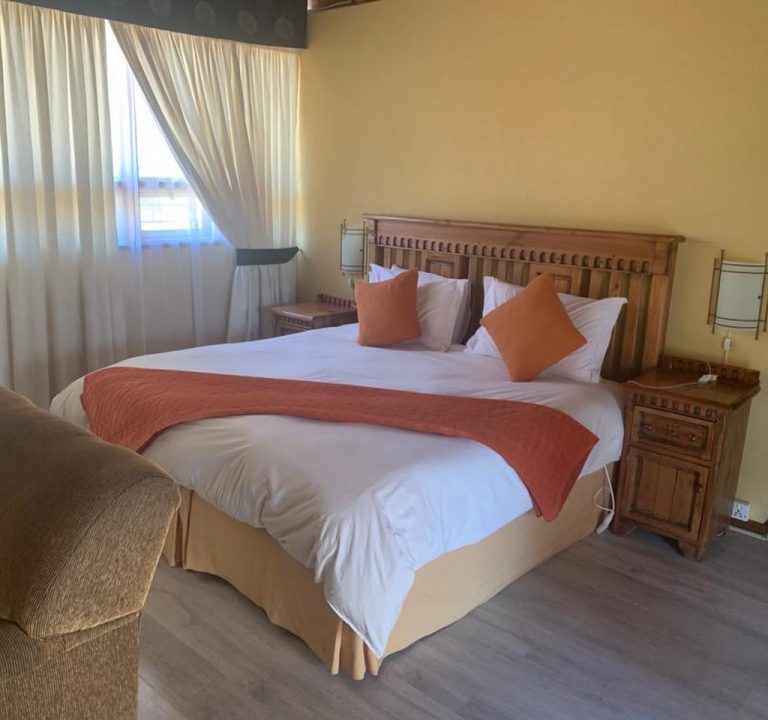
What to look for when booking a place to stay? A clear description of the room or apartment type, private bathrooms, and the availability of a wholesome breakfast are worth checking. If you value work-friendly spaces, confirm that there is reliable Wi‑Fi and a quiet area for catching up on emails. For families or larger groups, look for self-catering options, family suites, or rooms with extra beds. Accessibility can be important for some travellers, so note stairs, lifts, or ground-floor options. Finally, read recent reviews to gauge consistency in cleanliness, hospitality, and responsiveness of the host or management.
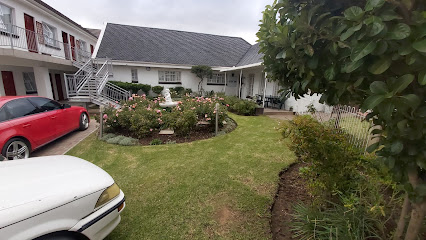
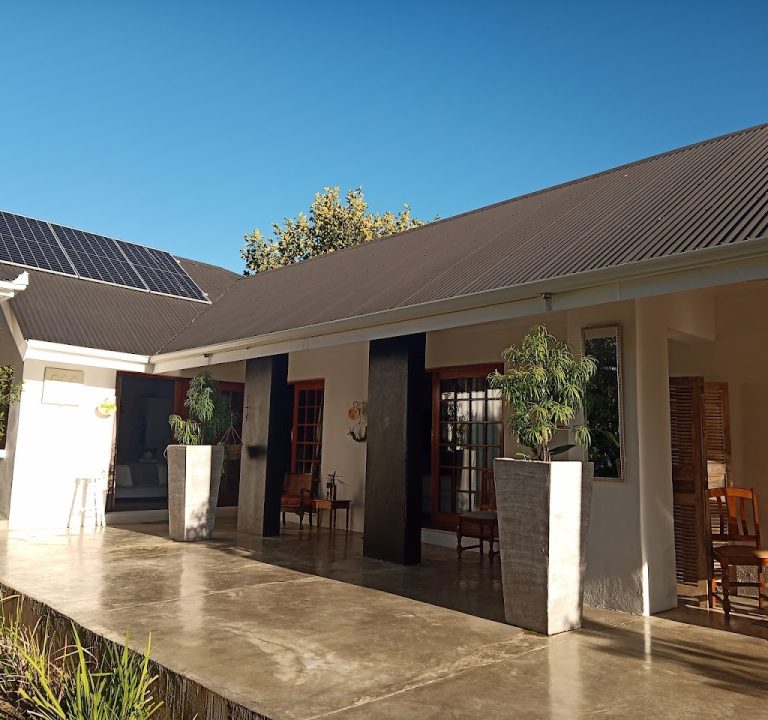
Typical amenities that travellers in Queenstown often seek include secure on-site parking, daily housekeeping, hot drinks facilities, and a comfortable communal lounge or veranda from which to unwind. Many guesthouses offer breakfast with a variety of options—from light continental choices to cooked dishes. Some lodges additionally provide outdoor spaces such as courtyards or gardens, perfect for morning sun or evening stargazing. If you’re exploring with a vehicle, verify that your chosen accommodation has convenient access and safe storage for luggage and bicycles, if applicable.
Transport in and around Queenstown is practical with a hire car giving you maximum flexibility to visit nearby viewpoints, nature reserves, or rural eateries. For longer day trips, a driver or organised excursion can relieve the stress of navigation. Consider how much time you want in towns nearby and whether you will need fuel stations or grocery stops en route. If you plan to explore beyond Queenstown, you might value stays with easy access to the main routes, such as major highways linking to other regional attractions.
The best time to visit Queenstown generally aligns with the Southern Hemisphere seasons. Spring (September to November) brings milder temperatures and colourful landscapes after winter. Summer (December to February) tends to be warmer and ideal for outdoor activities, though afternoons can be hot in the sun. Autumn (March to May) offers cooler days and striking colours in the surrounding countryside. Winter (June to August) is cooler and quieter, suitable for cosy lodges and indoor conversations by the fire. Pack layers, a light waterproof, and sturdy footwear to cope with varied terrain and an open-air environment.
Practical tips to help you maximise your stay:
- Book accommodation with a flexible cancellation policy where possible, to accommodate changes in travel plans.
- Choose a base that aligns with your planned activities—central for easy access to town facilities, or hillside for views and tranquillity.
- Confirm breakfast options and meal arrangements if you have dietary needs or prefer to dine out for most meals.
- Check whether your host can assist with local recommendations for safe walking routes, scenic viewpoints, and farmer’s markets.
- Prepare for variable weather—layers and a compact rain jacket are useful year-round.
Attractions and experiences in the Queenstown area are typically enjoyed through a blend of natural scenery and rural culture. Visitors can expect opportunities for gentle walks along riverbanks or hill trails, with viewpoints that reveal the surrounding valleys and far-reaching landscapes. Local experiences often emphasise hospitality, regional food, and crafts, offering a sense of connection with the Eastern Cape’s rural character. Dining options in the vicinity span cafés and eateries where traditional flavours are complemented by modern twists, so you can sample honest, seasonal fare without needing to travel far from your lodging.
For those seeking a broader itinerary, plan a couple of day trips that showcase South Africa’s diverse settings—gently rolling farms, reservoirs, and open skies typical of coastal inland towns. When choosing a place to stay, consider how the accommodation handles guest needs: quiet rooms, good lighting for reading, and reliable heating or cooling. A well-located guesthouse or lodge in Queenstown can serve as a comfortable home base from which you can explore nearby towns, markets, and countryside trails without feeling rushed.
To explore further, you can visit the property’s official page or travel platforms for practical details, reader reviews, and contact options. Whether you are drawn by the ease of access to town facilities, the allure of expansive rural views, or the comfort of a well-run bed-and-breakfast, Queenstown offers a human scale of hospitality that makes planning a stay both simple and pleasant.