Maseru, Lesotho: Accommodation, Attractions and Practical Planning for Visitors
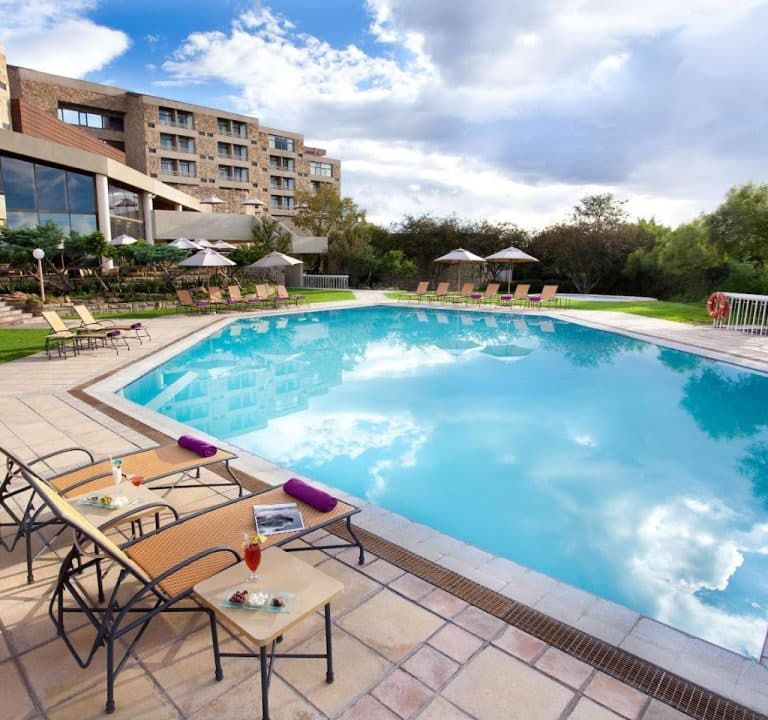
Maseru, the capital city of Lesotho, offers a compact yet welcoming base from which to explore the country’s unique highland culture and surrounding landscapes. When planning a stay, consider a mix of affordable guesthouses, small hotels and homestay-style accommodation to get a sense of local hospitality while staying comfortable. A few well-regarded options in Maseru include guest houses and modest hotels that prioritise warm service, security and convenient access to Transport and town amenities. One locally known option is Cyaara Guest House, which represents the kind of guest house experience many visitors find approachable and friendly.
Where to stay: areas to consider
Central Maseru is the most practical starting point for first-time visitors. It’s closest to government buildings, the main bus station, markets and many eateries, which makes day-to-day planning straightforward. If you value a quieter ambience after a day of sightseeing, look for accommodation in the residential outskirts or leafy neighbourhoods a short taxi ride away from the city centre. These areas often offer calmer streets, more space, and easier parking for guests who prefer a relaxed evening in. For travellers with limited time, staying near major transport hubs can reduce travel time between activities and make early departures or late returns easier to manage.
What to look for when booking
Key considerations include security, cleanliness, and value for money. Look for properties with secure entry, reliable hot water, decent Wi‑Fi, and a varied breakfast offering. A welcoming reception and clear check-in procedures save time, especially if you arrive late in the day. When possible, read recent guest reviews to gauge consistency in service, cleanliness and any ongoing renovation work. Confirm parking arrangements if you’re travelling by car, and check whether the property can assist with arranging local transport or day trips. If a guest house or small hotel lists meals, consider whether dinner is available on site or if you’ll be dining nearby, which can influence your daily planning and costs.
Typical amenities and practical tips
Expect guest houses in Maseru to provide essential comforts such as private bathrooms, comfortable bedding, and secure access. Many properties offer breakfast included in the rate, with options ranging from continental to hot dishes. Free Wi‑Fi is common, with varying speeds depending on the property’s location and infrastructure. House rules often emphasise quiet hours and guest safety, so it pays to read them before booking. If you require a work space, check for a table, adequate lighting and power outlets. Ask in advance about airport or bus station transfers, as these can be convenient but sometimes priced separately. If you’re travelling with a vehicle, confirm parking availability and whether it’s on-site or nearby in a secure area.
Transport and getting around
Masuru’s transport network is a mix of taxis, minibuses and car Hire. Taxis are widely available but agree on a fare before setting off, particularly for longer or outside-the-centre journeys. If you plan to explore beyond Maseru, hiring a vehicle with a reliable GPS and a local map makes day trips more flexible and comfortable. Walking is feasible in central areas, but for longer distances or late arrivals, a short taxi ride is the simplest option. If you intend a self-guided itinerary, ask your accommodation host for recommended routes and safe daytime walking areas appropriate to the season.
Best time to visit and practical planning
The dry season, roughly May to September, generally offers pleasant daytime temperatures and clearer skies, making it ideal for outdoor activities and sightseeing. The rainy season (roughly October to April) brings higher humidity and afternoon showers, so pack a light rain jacket and plan flexible outdoor activities. Early mornings can be fresh, so layered clothing helps. For a comfortable experience, book accommodation with heating or warm bedding for the cooler evening hours, especially in the shoulder months (May and September).
Attractions and experiences in general terms
Within Maseru, visitors can expect a mix of cultural heritage, markets and nearby natural scenery. Cultural centres and museums provide insight into Basotho history and craft traditions, while markets are good for locally made fabrics and crafts. For those with an interest in landscapes, day trips into the surrounding highlands and foothills offer scenic views and opportunities to encounter traditional rural life. Even if you do not plan lengthy excursions, a stroll around the central streets can reveal cafés, casual eateries and bakeries that showcase regional flavours and hospitality.
Restaurants and dining outlook
Expect a range of options from informal eateries serving traditional dishes to more contemporary cafés and international-inspired menus. Local dishes, fresh produce and warm hospitality characterise meals in many establishments. When planning meals, consider trying a few local snack moments between sightseeing, and pair them with a hot beverage or refreshing fruit juice, which are common in many venues. If you have dietary preferences, it’s worth asking politely about available options in advance, as smaller venues may have limited on-site adaptation but can often accommodate with notice.
Practical traveller tips
- Carry some smaller notes for markets and street-side purchases, where change may be limited.
- Pack layers to adapt to changing temperatures between day and night.
- Respect local customs and dress modestly when visiting public buildings or religious sites.
- Plan some downtime in your itinerary to accommodate travel times and occasional delays in transport services.
- Keep a basic map or offline navigation on your phone, as data coverage can vary in fringe areas.
With thoughtful planning, a stay in Maseru can be a comfortable blend of convenient city conveniences, cultural discovery and easy access to Lesotho’s striking landscapes. By selecting accommodation that aligns with your budget and pace, and by building a flexible daily plan, you can enjoy the warmth of Basotho hospitality and a relaxed, authentic travel experience.